LV Faces Backlash in China Over Aggressive Lawsuits and Stagnant Product Innovation
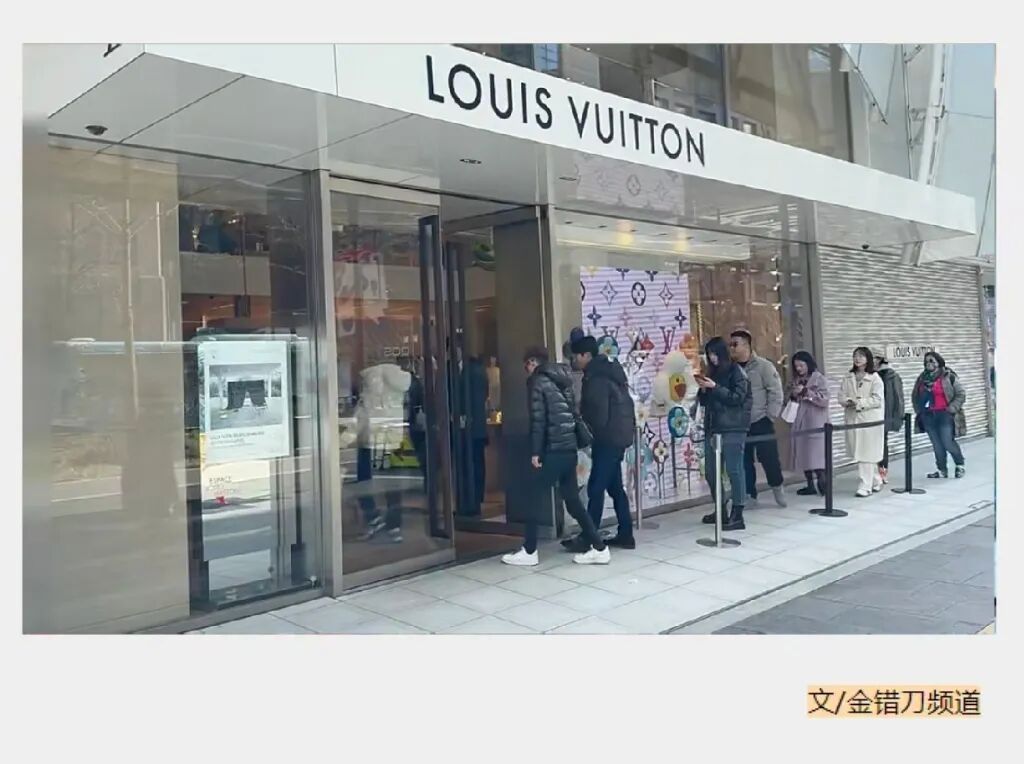
Luxury brand Louis Vuitton is facing significant public criticism in China due to its aggressive trademark litigation and a perceived lack of product innovation. Recently, LV's lawsuit against a small tea brand, "Molly Milk White," for alleged trademark infringement over a four-leaf clover design resulted in a 10.3 million yuan fine for the tea company. This case, however, sparked widespread public backlash, with many Chinese netizens questioning LV's actions, pointing out similar patterns in traditional Chinese art and even everyday objects. State media also weighed in, suggesting the establishment of a Chinese traditional aesthetics database. This sentiment is amplified by LV's extensive litigation history, with over 1,600 trademark infringement risk entries in the past five years, indicating a pattern of targeting smaller businesses. Critics argue that these lawsuits, particularly against small and medium-sized enterprises, appear more like a revenue-generating strategy than genuine brand protection. The public's perception has shifted, with many viewing LV's actions as excessive, especially when its signature patterns are reminiscent of ancient Chinese designs like the "Baoxiang flower" from the Tang Dynasty. This cultural backlash is compounded by LV's declining sales and profits in China, with a 5% revenue drop and a 13% net profit decrease in 2025. The brand's strategy of price increases has failed to resonate with younger consumers, who are increasingly opting for domestic brands or the second-hand market. Furthermore, the perceived loss of exclusivity due to LV's expanding retail presence has alienated its traditional middle-class customer base. Experts suggest that LV's reliance on its classic monogram patterns, which constitute over 60% of its leather goods revenue, has led to visual fatigue and a lack of fresh appeal, especially when competitors are launching successful new products. The brand's aggressive legal stance, which has seen limited success in its home countries like France, is now alienating Chinese consumers who feel a growing sense of cultural confidence and are unwilling to tolerate what they perceive as exploitation.
The recent public outcry against Louis Vuitton in China highlights a critical juncture for global luxury brands navigating evolving consumer sentiments and cultural dynamics. LV's aggressive trademark enforcement, while legally permissible, has been perceived by the Chinese public as exploitative, particularly when juxtaposed with the brand's signature motifs that bear resemblance to traditional Chinese art. This disconnect suggests a potential miscalculation in LV's strategy to leverage intellectual property rights as a primary revenue stream, especially in a market increasingly asserting its cultural identity. The brand's financial performance, marked by declining sales and profits, indicates that traditional luxury strategies like price hikes are losing efficacy with younger demographics who prioritize value and authenticity. Furthermore, the erosion of exclusivity, a cornerstone of luxury appeal, due to market saturation, presents a significant challenge. Moving forward, LV must re-evaluate its approach, potentially shifting focus from aggressive litigation to genuine product innovation and a more culturally sensitive brand narrative that resonates with contemporary Chinese consumers' evolving tastes and national pride. Failure to adapt could further alienate its customer base and diminish its long-term market position.
AI-generated to prompt reflection — not editorial opinion, not advice, not a statement of fact. How this works.