Málaga Approves Three-Year Moratorium on New Hotels and Tourist Apartments in Residential Areas
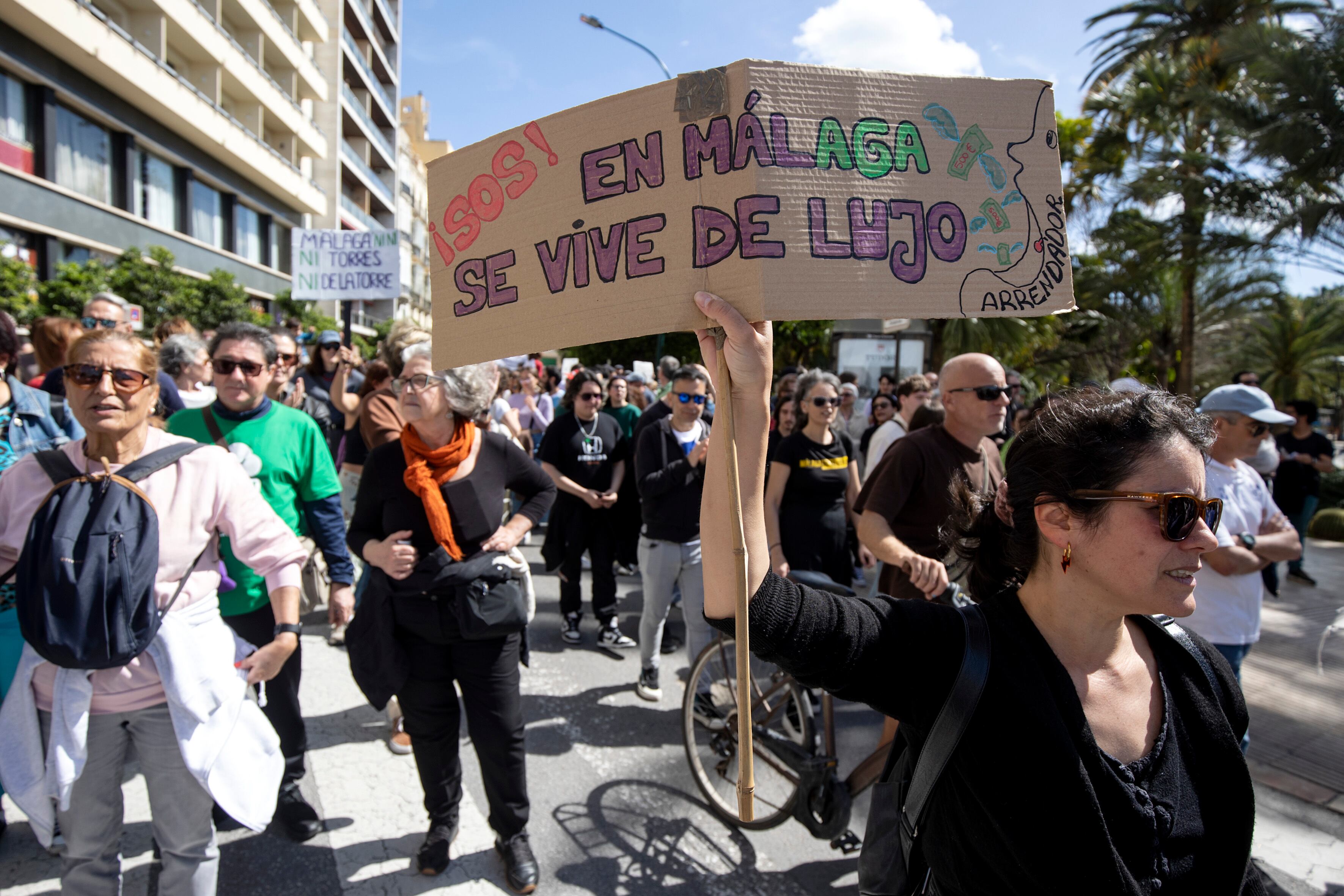
Málaga has approved a three-year moratorium that will halt the construction of new hotels and tourist apartment blocks within residential zones. This measure is set to take effect next week, aiming to address concerns about the impact of tourism development on the city's residential fabric. The decision was made by the city council, though it has faced criticism from opposition parties.
Opposition representatives have voiced their disapproval, arguing that a temporary ban is insufficient. They are calling for a comprehensive and permanent regulatory framework to manage the growth of the tourism sector. The current moratorium is viewed as a temporary fix rather than a long-term solution to the challenges posed by increasing tourist accommodation in residential neighborhoods.
The approval of a temporary moratorium on new tourist accommodations in Málaga's residential areas highlights a common tension between economic development driven by tourism and the preservation of urban livability for residents. While the moratorium offers immediate relief from unchecked growth, its temporary nature suggests a potential for renewed pressure once it expires, unless a more robust, long-term regulatory strategy is implemented. This situation prompts consideration of how cities can balance the economic benefits of tourism with the need for sustainable urban planning, ensuring that infrastructure and community well-being are not outpaced by development. Future urban governance models may need to incorporate more proactive and integrated approaches to land use, balancing diverse stakeholder interests within a dynamic global tourism market.
AI-generated to prompt reflection — not editorial opinion, not advice, not a statement of fact. How this works.