Maarn 'Heulmeisje' Skull Recovered, But Mandible Still Missing After 5th Exhumation
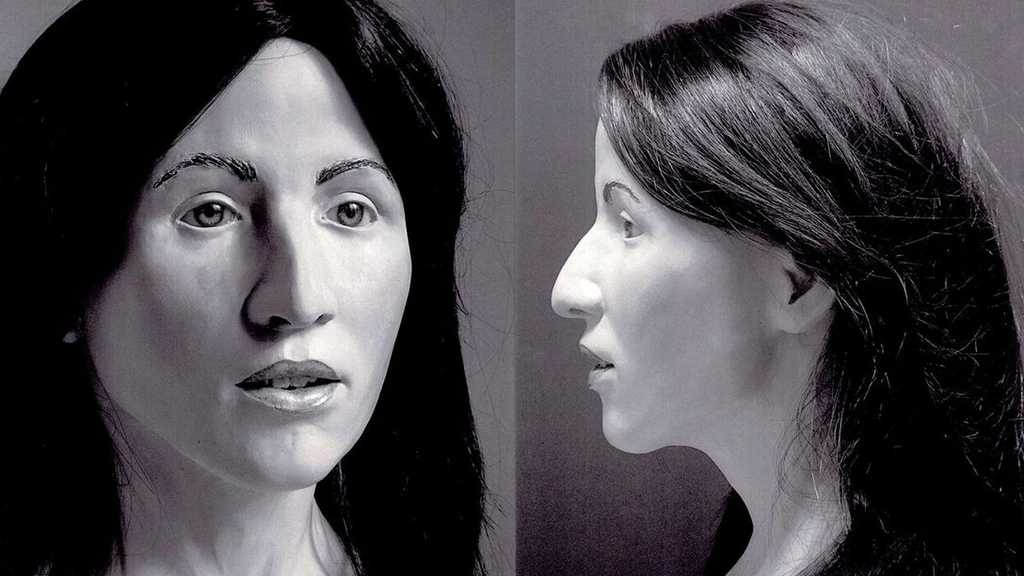
The skull of the "Heulmeisje" (Heul Girl), an unidentified young female found in Maarn, NL, has been recovered after being misplaced. However, her lower jaw (mandible) remains missing. This incident occurred during the fifth exhumation of the girl's remains, which have been repeatedly unearthed over nearly five decades in ongoing efforts to determine her identity. The "Heulmeisje" was discovered in a shallow pit near the A12 highway in Maarsbergen on October 24, 1976, in a decomposed state. Due to her unknown identity, she was buried in an anonymous grave in Maarn and named after a nearby parking area.
Initial investigations in 1986 suggested she might be Monique Jacobse, a girl who had run away from home in 1975. Based on dental records, the "Heulmeisje" was reburied under Jacobse's name. However, a man later confessed to murdering Jacobse, though his confession lacked sufficient corroborating evidence and he was eventually released after retracting his statement and subsequently committing suicide. The mystery deepened in 2004 when Monique Jacobse reappeared, alive and well, having started a new life in Germany.
Subsequent exhumations and forensic analyses, including DNA testing and isotopic research conducted by the Vrije Universiteit (VU), have yielded conflicting results regarding her age and origin. Isotopic analysis suggested she was between 12 and 15 years old and grew up in the German Eifel region, possibly suffering from an eating disorder, poverty, or captivity due to her diet before death. Despite extensive kinship research in both the Netherlands and Germany, her identity remains unconfirmed. The Public Prosecution Service (OM) attributes the current missing parts to the extensive investigations, stating the skull was temporarily stored elsewhere by the Netherlands Forensic Institute (NFI) for research and has since been returned, but the mandible is still unaccounted for.
The prolonged and repeated exhumations of the "Heulmeisje" highlight the persistent challenges in forensic identification and the ethical considerations surrounding the handling of human remains. The successive investigations, while driven by a desire for resolution, have inadvertently led to the misplacement of evidence, raising questions about the protocols and chain of custody for forensic samples. This situation underscores the need for robust, standardized procedures in long-term cold case investigations to prevent further disruption and ensure the respectful treatment of the deceased. Future approaches may benefit from advanced DNA phenotyping and familial searching techniques, alongside improved archival and retrieval systems for biological evidence, to balance the pursuit of identity with the dignity of the individual.
AI-generated to prompt reflection — not editorial opinion, not advice, not a statement of fact. How this works.