Macaé Celebrates 213 Years with Civic Parade and Economic Growth
Macaé, a city in Northern Fluminense, Brazil, is celebrating its 213th anniversary of political-administrative emancipation on Tuesday, April 29th. The festivities commenced with flag-raising ceremonies and a traditional civic parade along Avenida Elias Agostinho at Imbetiba Beach. The day's events are scheduled to conclude with a concert by singer Thiaguinho at the Latiff Mussi Rocha Exhibition Park. The civic parade included local authorities, security forces, municipal students, marching bands, members of the Macaense Academy of Letters, samba schools, and residents honoring the city.
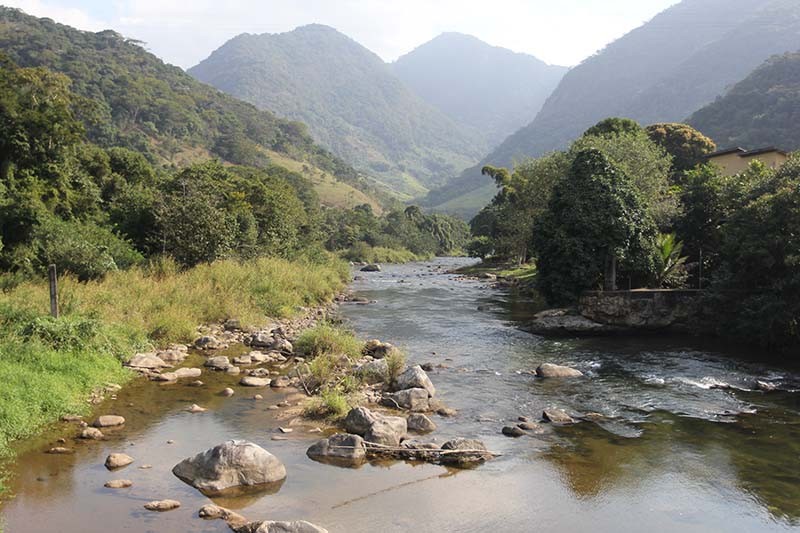
Often referred to as the "National Oil Capital," Macaé serves as a critical hub for offshore operations in the Campos Basin, supporting a vast network of related businesses and services. However, the city's economic diversification extends beyond oil, with the agribusiness sector experiencing significant growth. This expansion has positioned Macaé as the leading producer of grains in the state of Rio de Janeiro, consequently boosting job creation and economic opportunities. Beyond its economic contributions, Macaé is also recognized for its natural beauty, boasting popular urban beaches such as Cavaleiros, Hollywood, and Imbetiba. The Sana district, located in the mountainous region, is a prominent ecotourism destination, offering waterfalls, hiking trails, and preserved Atlantic Forest areas. The celebrations for the 213th anniversary are ongoing throughout the day, culminating in the final day of Expo Macaé and the concert.
Macaé's 213th anniversary highlights its dual economic identity as both an oil capital and a growing agribusiness center, alongside its established ecotourism appeal. The city's development trajectory demonstrates a strategic effort to diversify beyond its historical reliance on the oil sector, a common challenge for resource-dependent economies. This diversification, particularly in agribusiness, presents an opportunity to build resilience against the volatility of global energy markets and the long-term energy transition. The continued investment in tourism infrastructure, leveraging its natural assets, further supports a multi-faceted economic base. Future planning should consider how these sectors can synergize, while also addressing potential environmental impacts and ensuring equitable distribution of economic benefits across the community.
AI-generated to prompt reflection — not editorial opinion, not advice, not a statement of fact. How this works.