Macaé Holds Public Hearing to Outline New Public Transportation System
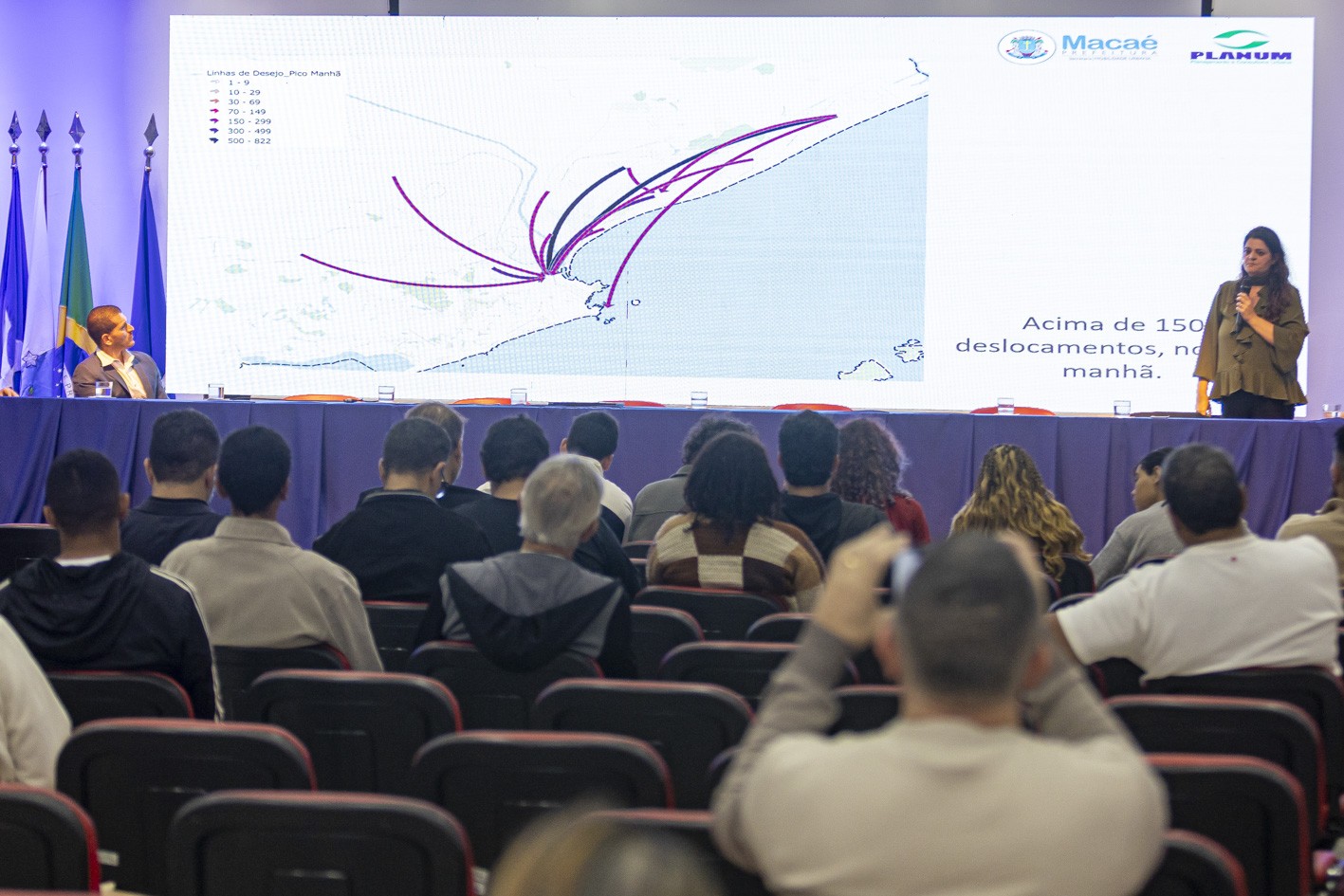
Macaé's Municipal Secretariat of Urban Mobility hosted a public hearing on Wednesday, May 8th, to present proposals for the city's new public transportation system. The event, held at the Municipal Chamber's Salão Nobre, marks a significant step towards a new tender for the urban passenger transport system. The primary goal was to share technical studies, preliminary diagnostic data, and guidelines for the upcoming concession model with the public. The hearing facilitated dialogue between public officials, specialists, and residents, allowing for suggestions and criticisms regarding current challenges and improvement opportunities. Urban planner Renata Machado explained that the studies analyzed population displacement patterns, identifying residential areas, travel destinations, bus line usage, and high-demand corridors. This diagnostic information will inform the new tender, which aims for reliable schedules, revised routes, increased operator oversight, and a 30% expansion in service frequency and mileage. Enhanced service for evenings and weekends, along with a more auditable, data-driven, and adaptable system, are also planned. These project foundations were built upon technical analyses and a prior public consultation involving 1,188 participants. The Secretariat emphasized the importance of public engagement and transparency throughout the pre-tender process. Community contributions will be compiled to shape proposals for a more efficient, modern bus system aligned with user needs. The next steps involve consolidating technical studies and analyzing the feedback received to finalize the tender document for Macaé's new public transport system.
The public hearing in Macaé demonstrates a commitment to transparent public procurement for essential services. By incorporating technical diagnostics with public consultation, the municipality aims to create a more responsive and efficient transit system. This approach acknowledges that urban mobility is a dynamic need, requiring systems adaptable to evolving demographic and travel patterns. The planned increase in service and mileage, coupled with enhanced oversight, suggests a strategic effort to improve user experience and potentially boost ridership. Future iterations of such processes could explore leveraging real-time data analytics for dynamic route adjustments and predictive maintenance, further optimizing resource allocation and service delivery in line with the increasing digitalization of urban infrastructure.
AI-generated to prompt reflection — not editorial opinion, not advice, not a statement of fact. How this works.