Macaé Hosts Expo 2026, Showcasing Over 100 Companies in Marine Economy
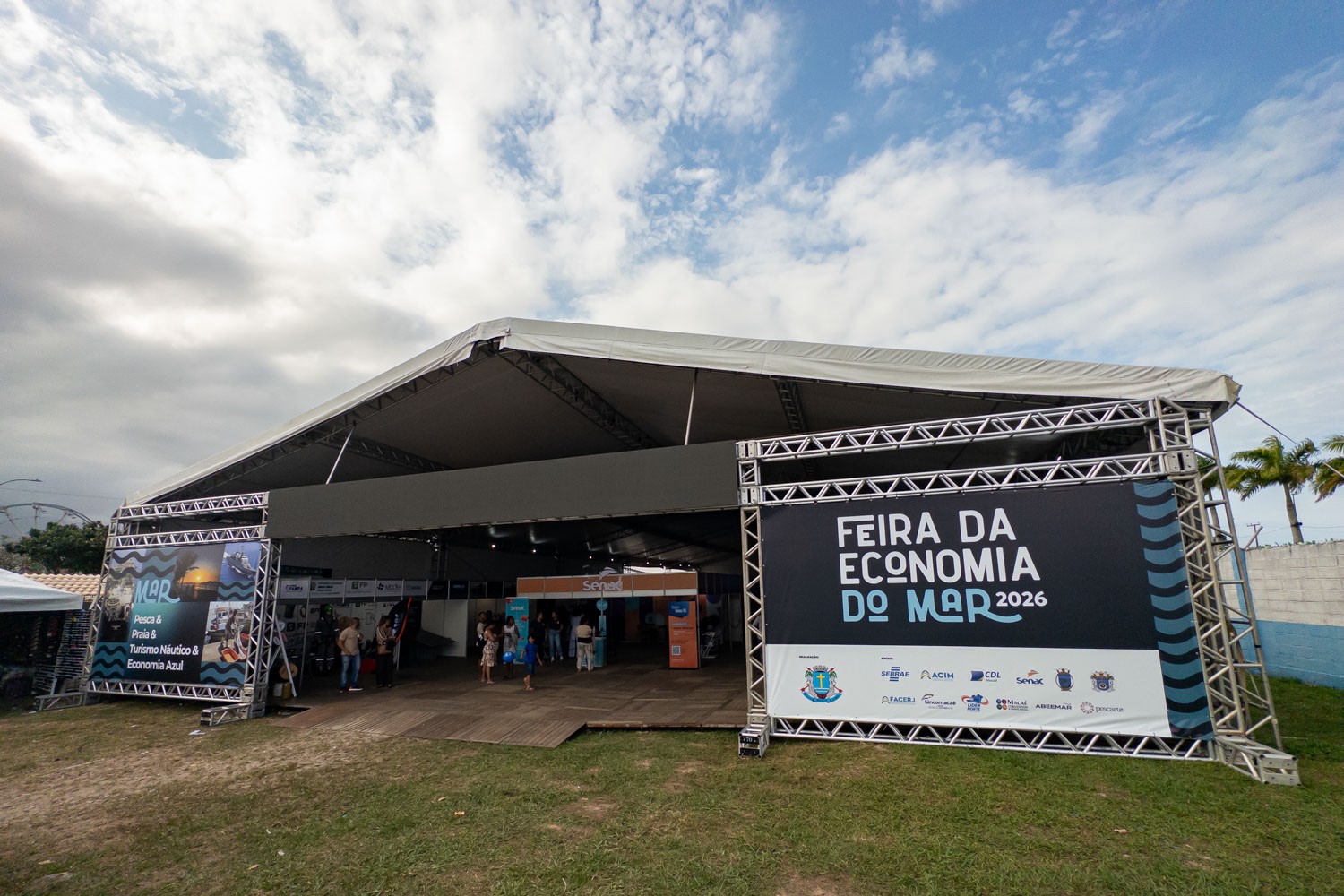
Macaé, Brazil, is solidifying its role as a national leader in the "Marine Economy" with the opening of the 4th Marine Economy Fair as part of Expo Macaé 2026. The event gathered more than 100 companies, including six anchor corporations, alongside industry representatives, specialists, educational institutions, and investors. The fair aimed to foster business opportunities, innovation, and sustainable development, highlighting a diverse production chain that extends beyond offshore industries to include fishing, logistics, naval construction and maintenance, port operations, tourism, research, and maritime services. Macaé, which attracts one-third of Rio de Janeiro State's private investment, is leveraging its oil royalties while pursuing economic diversification. The Marine Economy initiative demonstrates this diversity, evolving from its offshore origins to encompass fishing, naval industries, and service provision, alongside new oil and gas sector companies. Beyond maritime activities, the city is experiencing significant growth in agribusiness, becoming the state's largest grain producer. Sectors like education, tourism, and new industry attraction are also expanding, supported by major events that boost commerce and position Macaé as a development hub. Notably, Macaé was announced as the first Brazilian city to receive the Blue Flag certification for its sustainable marine economy practices. Zurich Airport Brasil highlighted Macaé's logistical and business potential, particularly its role as a key air support base for offshore operations. The event underscored Macaé's positive business climate, further evidenced by recent accolades from the Sebrae Entrepreneurial Municipality Award and a Silver Seal for Service Excellence.
This event signals Macaé's strategic effort to diversify its economic base beyond traditional oil and gas, leveraging its coastal advantages for a broader "Marine Economy." The initiative to attract over 100 companies and secure certifications like the Blue Flag suggests a forward-looking approach to sustainable development and business attraction. From a systems perspective, this diversification is crucial for long-term economic resilience, particularly in an era of energy transition and evolving global trade dynamics. The city's success in attracting private investment and fostering growth across multiple sectors, including agribusiness and tourism, indicates a potentially robust governance framework that encourages entrepreneurship. Future success will likely depend on continued investment in infrastructure, human capital, and regulatory environments that support innovation across its burgeoning maritime and other industries, ensuring that growth is both inclusive and environmentally responsible.
AI-generated to prompt reflection — not editorial opinion, not advice, not a statement of fact. How this works.