Macaé Inseminates 6,000 Cows Through Bovine Genetics Program
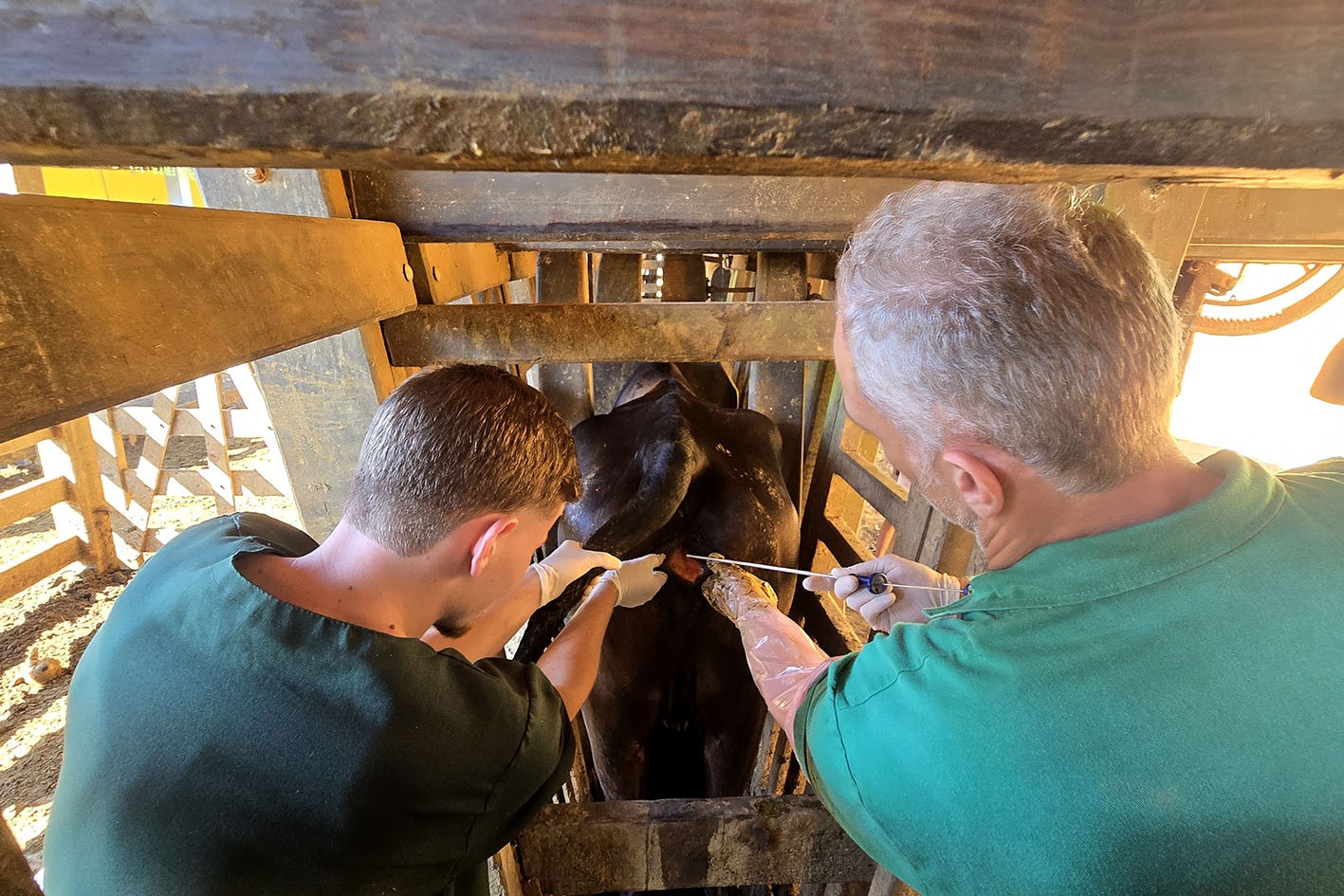
The Municipality of Macaé, through its Municipal Secretariat of Agroeconomy, has successfully inseminated 6,000 cows as part of a pioneering bovine genetics program in Rio de Janeiro State. Launched in February of this year, the initiative offers rural producers free specialized technical assistance and Fixed-Time Artificial Insemination (FTAI) services. The program aims to enhance the genetic quality of the local herd and boost milk and meat production within the municipality.
Recently, over 150 cows underwent the procedure at Fazenda Vitória in Córrego do Ouro. Macaé anticipates evaluating approximately 21,400 animals by early next year, with technical estimates suggesting a potential 25% increase in milk productivity per production cycle. The program distinguishes itself through continuous technical monitoring and the use of imported semen from New Zealand, alongside genetic material from Nelore and other national breeds, tailored to specific farm needs. The field execution is managed by A3M Soluções Rurais, involving specialized teams for clinical examinations and reproductive protocols. Approximately 800 small and medium-sized producers are currently integrated into the program, requiring an active registration with the Secretariat of Agroeconomy.
This initiative positions Macaé at the forefront of the agricultural sector by scientifically mapping properties, assessing pasture quality, and herd health, thereby optimizing public resource allocation and disease control. The project aims to add generational commercial and genetic value, fostering technological advancement to increase producer efficiency and ultimately raise the income of rural families. Before insemination, all animals undergo rigorous clinical screening, and if the first attempt fails, the process is repeated. The FTAI protocol synchronizes cow reproductive cycles using hormones for precise insemination timing. Veterinarians highlight that artificial insemination offers superior reproductive efficiency compared to natural mating, with pregnancy rates ranging from 40% to over 75% depending on herd management, welfare, and nutrition.
This municipal initiative leverages advanced reproductive technologies to improve livestock productivity, aiming to bolster the economic standing of local farmers. By providing free access to artificial insemination and expert technical support, the program addresses a critical barrier to genetic improvement for smaller producers. The strategic use of imported and high-quality domestic genetics, coupled with scientific property mapping and continuous monitoring, suggests a systems-thinking approach to agricultural development. Over the next decade, such programs could significantly influence regional food security and the competitiveness of the Brazilian agricultural sector, while also highlighting the potential for public-private partnerships in driving technological adoption in rural economies. The focus on generational value creation indicates a long-term vision for sustainable agricultural growth.
AI-generated to prompt reflection — not editorial opinion, not advice, not a statement of fact. How this works.