Macaé Launches Pre-Rabies Vaccination Drive for Pets
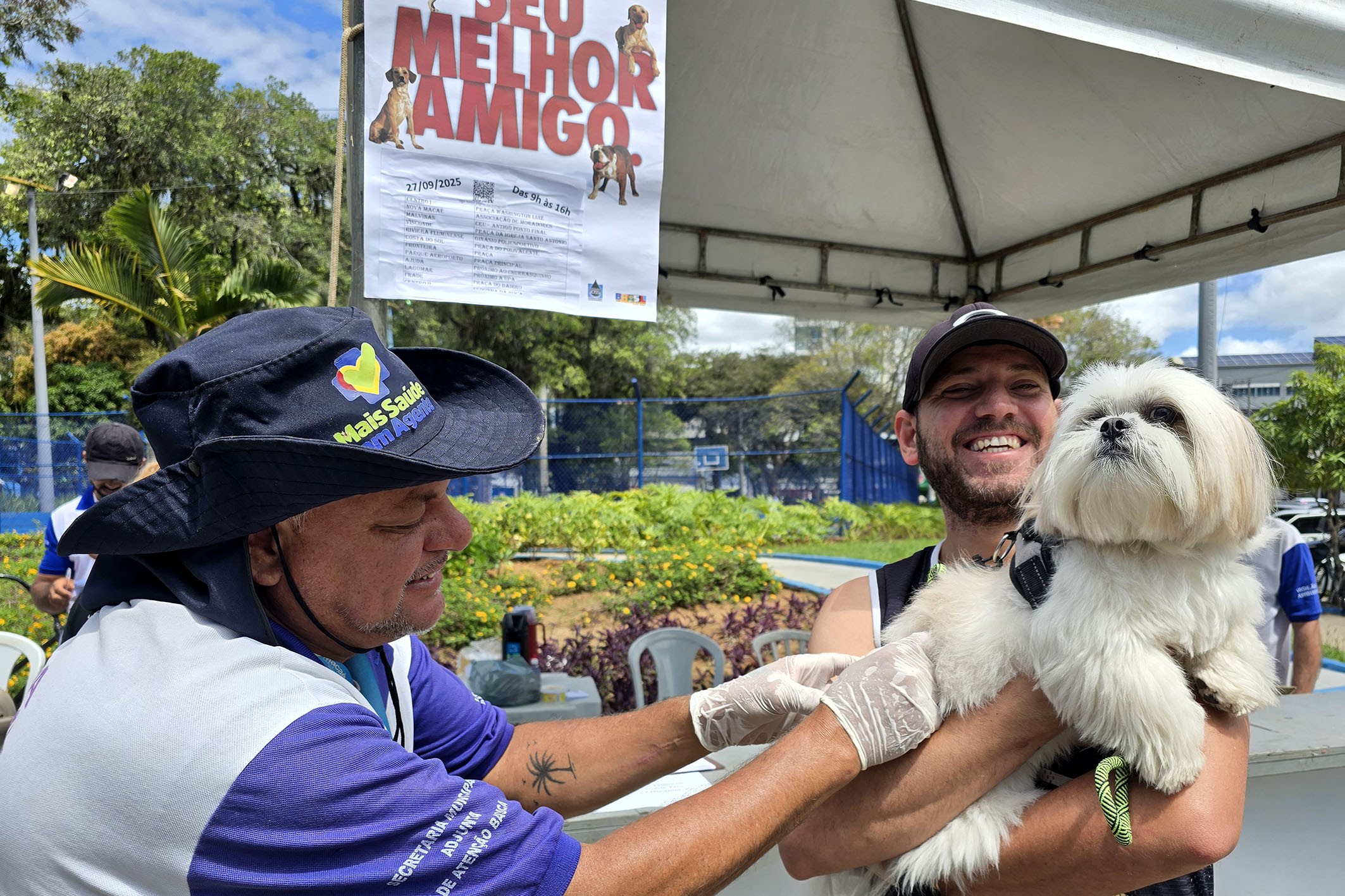
Macaé, a city in Northern Fluminense, Brazil, is initiating a pre-campaign for rabies vaccination for dogs and cats starting Sunday, June 6th. This initiative, organized by the Environmental Health Surveillance Management, aims to increase vaccination coverage and improve public access to the service. The pre-campaign will run until Thursday, June 9th, and precedes the official rabies vaccination campaign. Its purpose is to prevent rabies, a viral disease transmissible to humans through bites, scratches, or contact with infected animal saliva. The vaccination schedule begins on Monday, June 6th, from 9 AM to 12 PM, with two locations: Rua São João near Bar do Amarelinho in Jardim Carioca I, and near the Residents' Association in Jardim Carioca II. On Tuesday, June 7th, vaccination will take place from 9 AM to 12 PM at the Novo Eldorado square. On Wednesday, June 8th, services will be available from 9 AM to 4 PM at the Zelita Rocha Municipal School Square in Parque Aeroporto. The pre-campaign concludes on Thursday, June 9th, also from 9 AM to 4 PM, at the AMPRA Square in Parque Aeroporto. The vaccine is recommended for dogs and cats aged four months and older. Animals that are sick, severely debilitated, pregnant, or nursing should not be vaccinated. The Municipal Health Secretariat advises that dogs be brought with leashes and collars, and muzzles if necessary, while cats should be transported in appropriate carriers for the safety of the animals, owners, and vaccination teams.
This pre-vaccination campaign in Macaé highlights a proactive public health strategy focused on zoonotic disease prevention. By extending vaccination access before the official campaign, municipal authorities aim to mitigate risks associated with rabies transmission, a potentially fatal disease. The initiative underscores the importance of robust animal health infrastructure in safeguarding human populations. Future considerations might involve analyzing the long-term impact of such localized, multi-stage campaigns on overall community health resilience and resource allocation efficiency within public health services.
AI-generated to prompt reflection — not editorial opinion, not advice, not a statement of fact. How this works.