Macaé Leads Rio de Janeiro State Corn Production, Boosting Rural Economy
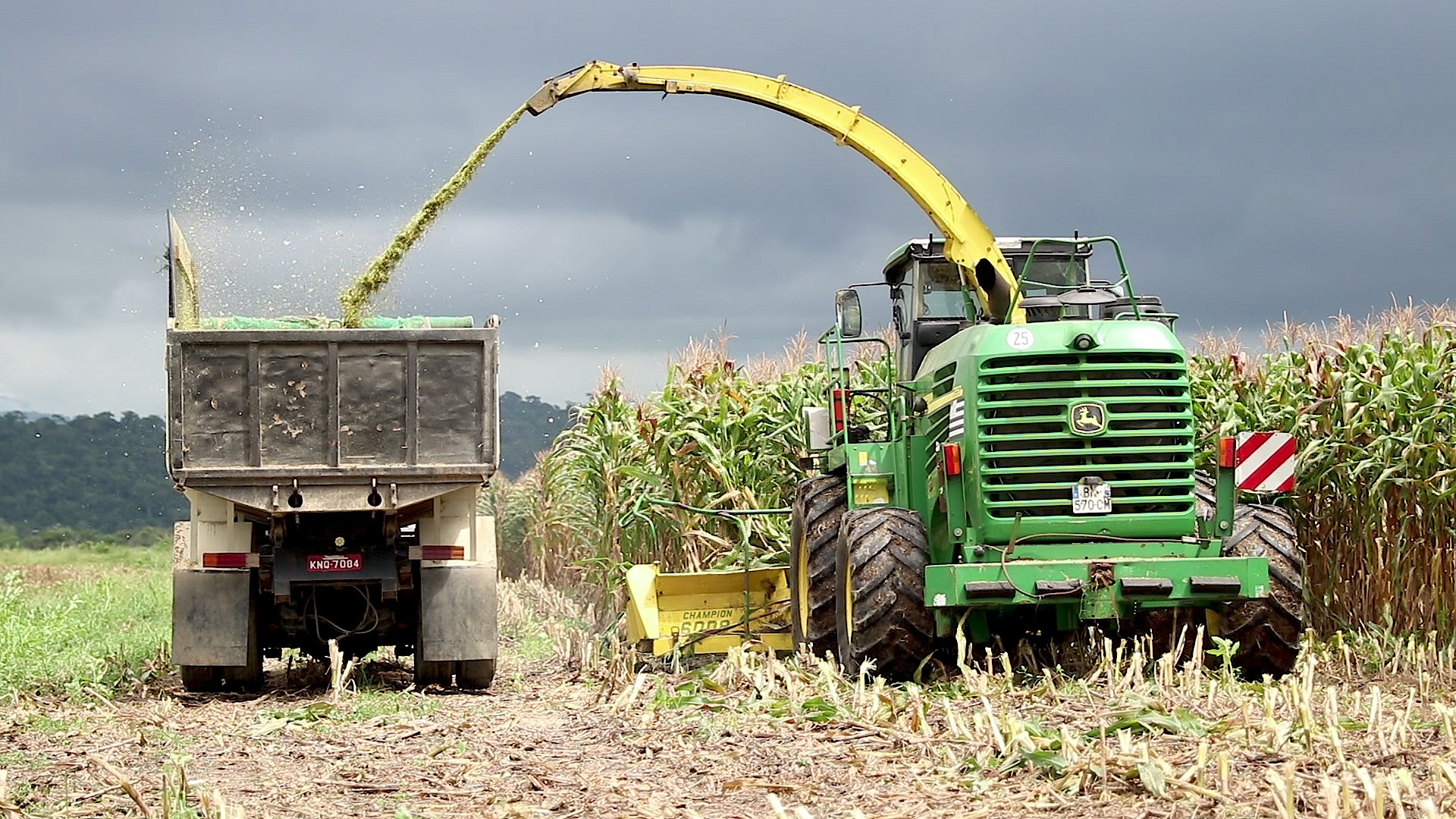
Macaé has solidified its position as the primary corn producer in the state of Rio de Janeiro, underscoring its significance to the state's agriculture and rural economy. The corn harvest is particularly important during the June and July festive season, serving as a key ingredient for traditional celebrations and supplying local markets, thereby ensuring profitability for hundreds of producers. According to Emater-Rio, approximately 600 farmers are involved in corn cultivation, generating around R$ 6.8 million annually within the state. The total state harvest is estimated at 4.8 thousand tons, cultivated across more than 1.1 thousand hectares. The North Fluminense region, led by Macaé, accounts for 54% of the state's total corn production. Within the grain sector, corn leads in both planted area and revenue in Rio de Janeiro. While Macaé spearheads production in the North Fluminense region, Varre-Sai in the Northwest Fluminense region ranks second, with approximately 24% of the cultivated area. The strong seasonal demand from traditional festivals drives the distribution of the agricultural output. Corn is a staple for regional dishes like pamonha, canjica, curau, and cakes, boosting direct sales at local fairs and events. This increased demand during the festive period strengthens the production chain, stimulates commerce in rural districts, and expands sales channels for small and medium-sized farmers.
Macaé's dominance in corn production highlights the economic importance of specialized agriculture within regional economies, particularly when aligned with cultural demand. The R$ 6.8 million annual revenue and 600 farmers involved demonstrate a tangible economic multiplier effect. The reliance on seasonal demand from festivals, however, presents a potential vulnerability. Future economic resilience could be enhanced by diversifying markets and exploring value-added processing for corn products beyond immediate consumption. This would mitigate risks associated with fluctuating festival attendance or changing consumer preferences, while potentially increasing overall farmer income and stabilizing the agricultural supply chain throughout the year. The concentration of production in the North Fluminense region also raises questions about equitable development and potential environmental impacts if production scales significantly without robust sustainability frameworks.
AI-generated to prompt reflection — not editorial opinion, not advice, not a statement of fact. How this works.