Macaé Opens New Office for Racial Equality Promotion
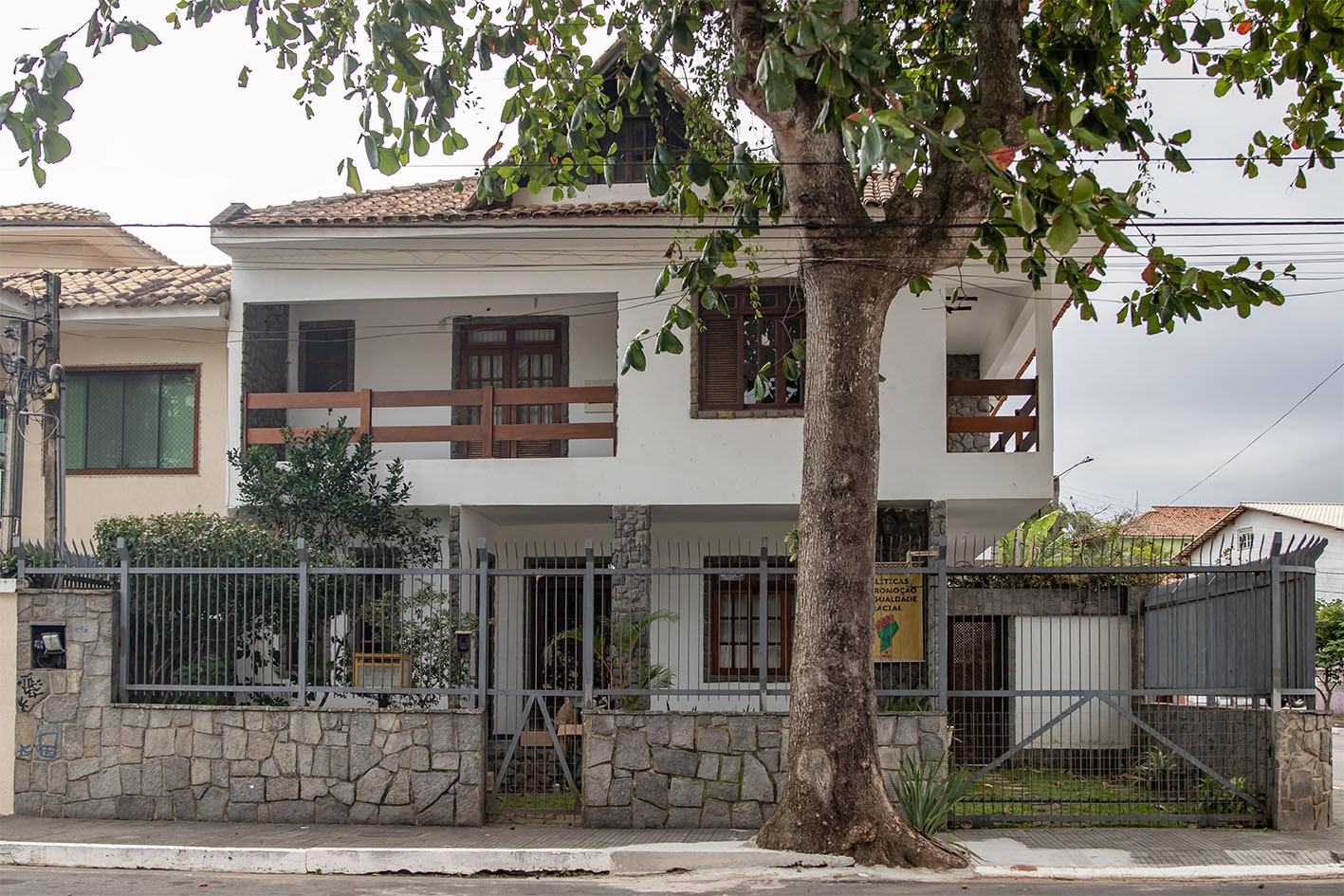
Macaé, Brazil, inaugurated a new headquarters for its Municipal Secretariat of Policies for the Promotion of Racial Equality (Seppir) on Monday, July 27th, at 5 PM. This opening is part of the city's official anniversary celebrations. The new facility, located at Rua Augusto de Carvalho, nº 137, in the Imbetiba neighborhood, aims to improve public access to services and strengthen policies focused on equity and social inclusion. It will offer enhanced infrastructure for assistance, support, and legal and social guidance, bolstering efforts against discrimination within the municipality. Recently, the secretariat has increased awareness campaigns through meetings with students, public servants, and private sector employees, and has also mapped out trancistas (hair braiders) in the city. These initiatives are designed to broaden the reach of institutional programs and promote Afro-Brazilian culture. Macaé's adherence to the National System for the Promotion of Racial Equality (Sinapir), a federal tool, further strengthens its capacity to secure resources for integrated anti-racism policies nationwide. The secretariat also maintains the "Disque Racismo" hotline, available 24/7 at (22) 99104-7284, for reporting racial discrimination and accepting evidence like images and audio. Official data from the Brazilian Institute of Geography and Statistics (IBGE) indicates that approximately 53% of Macaé's population identifies as Black, underscoring the importance of sustained investment in this sector to ensure rights and opportunities for the majority of its citizens.
The establishment of a dedicated Racial Equality Secretariat and its relocation to a new, enhanced facility signifies a governmental commitment to addressing systemic discrimination and promoting social equity. Macaé's integration into the national Sinapir framework suggests a strategic alignment with broader federal initiatives, potentially unlocking further resources and standardized approaches to combating racism. The city's proactive mapping of specific cultural professions, like trancistas, and the continuous operation of a discrimination hotline demonstrate a multi-faceted strategy that moves beyond mere policy pronouncements to tangible community engagement and support mechanisms. As AI systems increasingly influence societal structures and resource allocation, robust public policies that ensure equitable access and representation, particularly for demographic groups historically marginalized, will become even more critical for fostering inclusive and stable urban environments.
AI-generated to prompt reflection — not editorial opinion, not advice, not a statement of fact. How this works.