Macaé's Women's Clinic Boosts Reproductive Planning with Implanon Drive
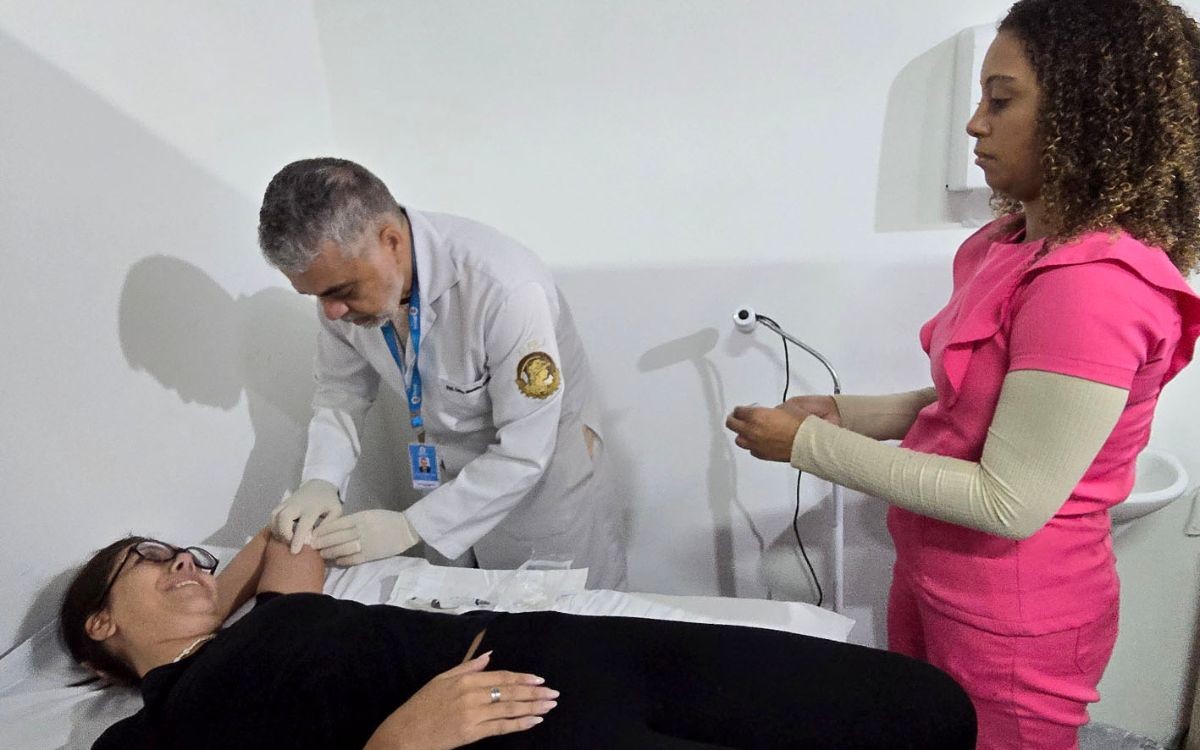
The Women's Clinic in Macaé, Brazil, recently conducted a reproductive planning initiative that expanded access to Implanon, a modern, safe, and long-lasting contraceptive implant. This event benefited 200 pre-registered patients and also brought forward appointments scheduled until December 28th, effectively reducing waiting lists and speeding up service delivery. The initiative provided free access to effective technologies that enhance reproductive autonomy, prevent unintended pregnancies, and improve overall quality of life for women. Implanon, a subdermal implant offered free through the SUS public health system's Reproductive Planning program, is recognized for its high efficacy and extended duration. Its availability within the public healthcare network signifies a significant advancement in health policies, broadening the range of safe contraceptive options for women of reproductive age. Access to Implanon typically begins with an evaluation at the nearest Basic Health Unit (UBS) or Family Health Strategy (ESF) center. If deemed appropriate, the patient is referred through municipal regulation for scheduling. This process often includes participation in special events like the recent drive or individual procedure scheduling. The program targets women aged approximately 14 to 49, with nursing and medical teams providing individualized assessments to ensure the most suitable contraceptive method is prescribed. Reproductive planning is a core component of the clinic's routine, serving as a vital strategy for health promotion and comprehensive women's care.
This initiative demonstrates a proactive approach by the Macaé Women's Clinic to address reproductive health needs by leveraging a long-acting reversible contraceptive. By consolidating services into a 'mutirão' or drive, the clinic efficiently served a significant number of patients, including those with existing appointments, thereby optimizing resource utilization and reducing service backlogs. Such targeted events can be instrumental in increasing uptake of modern contraceptives, aligning with public health goals of reducing unintended pregnancies and promoting informed reproductive choices. The emphasis on free access through the SUS highlights the critical role of public health infrastructure in ensuring equitable access to advanced reproductive health technologies, particularly for vulnerable populations. Future considerations might involve sustained outreach and education to ensure continued awareness and accessibility of such methods beyond concentrated event-based service delivery.
AI-generated to prompt reflection — not editorial opinion, not advice, not a statement of fact. How this works.