Macaé to Launch Integrated Elderly Care Complex on July 28th
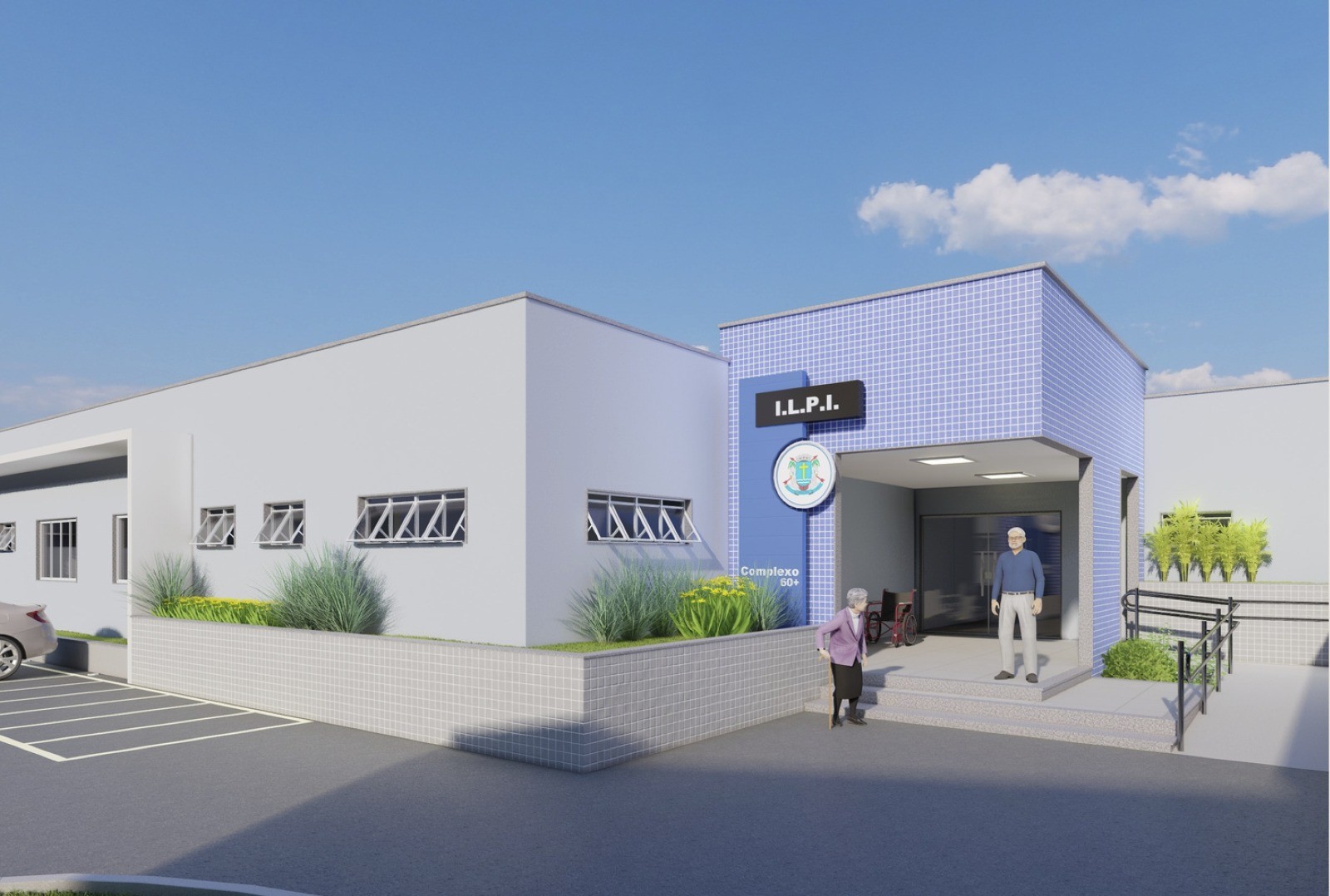
The city of Macaé, Brazil, is set to unveil the Complexo 60+, a new facility dedicated to the comprehensive care and well-being of its elderly population. The project, designed for integral reception, safety, and appreciation of seniors, will be officially presented on July 28th during the city's anniversary celebrations. This initiative consolidates three key levels of social and health assistance into a single location in the Ajuda neighborhood. The complex will house a Long-Term Care Institution (ILPI), a Day Center, and a Senior Activity Center, aiming to reduce demand for care services and provide more dignified and humanized support. Initially, the facility will accommodate 60 individuals, enhancing the municipality's social protection networks. The ILPI will serve as a protected residence for seniors without family ties or those facing social vulnerability. The Day Center will offer daytime socio-assistential services and therapeutic activities, allowing users to engage while their families are at work and preventing social isolation. The Senior Activity Center will host cultural, educational, and leisure workshops to promote active aging through socialization. The complex also features improved physiotherapy, gym, and a heated accessible pool to support physical well-being with low-impact treatments and adapted exercises. Macaé's municipal network already provides various activities to combat isolation and boost self-esteem, recently integrating Digital Health services for specialist consultations in fields such as geriatrics, cardiology, and neurology.
The development of Macaé's Complexo 60+ represents a strategic municipal investment in addressing demographic shifts towards an aging population. By integrating long-term care, day services, and social activities, the initiative aims to create a more holistic and efficient support system. This approach acknowledges the growing need for specialized elder care infrastructure and services, potentially improving quality of life and reducing strain on families and existing social services. The inclusion of digital health services further signals an adaptation to modern healthcare delivery models, potentially expanding access to specialized medical advice. The long-term success will depend on sustained funding, effective management of diverse resident needs, and the ongoing integration of health and social care programs within the municipality's broader public health strategy.
AI-generated to prompt reflection — not editorial opinion, not advice, not a statement of fact. How this works.