Macapá Boosts Flu Vaccination Campaign Amid Viral Outbreak
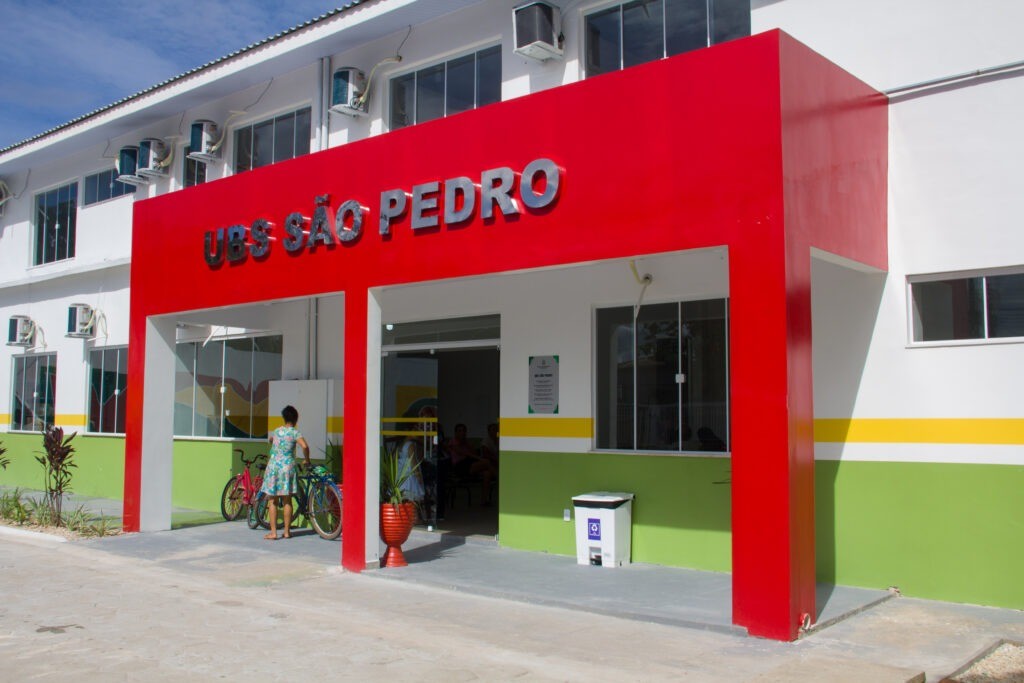
Macapá is intensifying its flu vaccination campaign starting Monday, April 13th, aiming to increase coverage during the school holidays. This initiative comes as the federal government declared a state of emergency across all 16 municipalities in Amapá due to a surge in viral illnesses. The vaccine is available at all Basic Health Units (UBSs) in Macapá for the general population, requiring a photo ID and vaccination card for administration. Priority groups include children aged 6 months to 6 years, pregnant and postpartum women, individuals over 60, healthcare workers, people with comorbidities, and vulnerable groups like truck drivers. Influenza symptoms typically manifest as sneezing, cough, sore throat, body aches, fever, fatigue, and loss of appetite. Amapá's children's hospitals saw a 99% rise in flu-like illness consultations in the first half of 2026 compared to the same period in 2025, with cases increasing from 3,409 to 6,798. Severe acute respiratory illness (SRAG) cases also grew by 9%, from 701 in 2025 to 765 in 2026, peaking between May 17th and June 4th. Health authorities attribute part of this increase to updated Ministry of Health criteria that now include symptoms like sore throat and runny nose. At least five viruses are circulating in Amapá: rhinovirus, respiratory syncytial virus (RSV), influenza A, influenza B, and adenovirus.
The heightened focus on influenza vaccination in Macapá, coupled with the federal declaration of emergency in Amapá, highlights the critical interplay between public health infrastructure and emerging viral threats. The significant increase in pediatric respiratory illness consultations and severe cases underscores the vulnerability of younger populations and the potential strain on healthcare systems during seasonal or epidemic periods. This situation prompts consideration of proactive public health strategies, such as optimizing vaccine distribution networks and enhancing public awareness campaigns, particularly in regions prone to rapid viral spread. Examining the impact of updated diagnostic criteria on reported case numbers is crucial for accurate epidemiological assessment and resource allocation. Looking ahead, the capacity of public health systems to adapt to evolving viral landscapes, including the potential co-circulation of multiple pathogens, will be a key determinant of population health resilience in the coming decade.
AI-generated to prompt reflection — not editorial opinion, not advice, not a statement of fact. How this works.