Macapá Family Cultivates Over 20 Stingless Bee Hives in Backyard
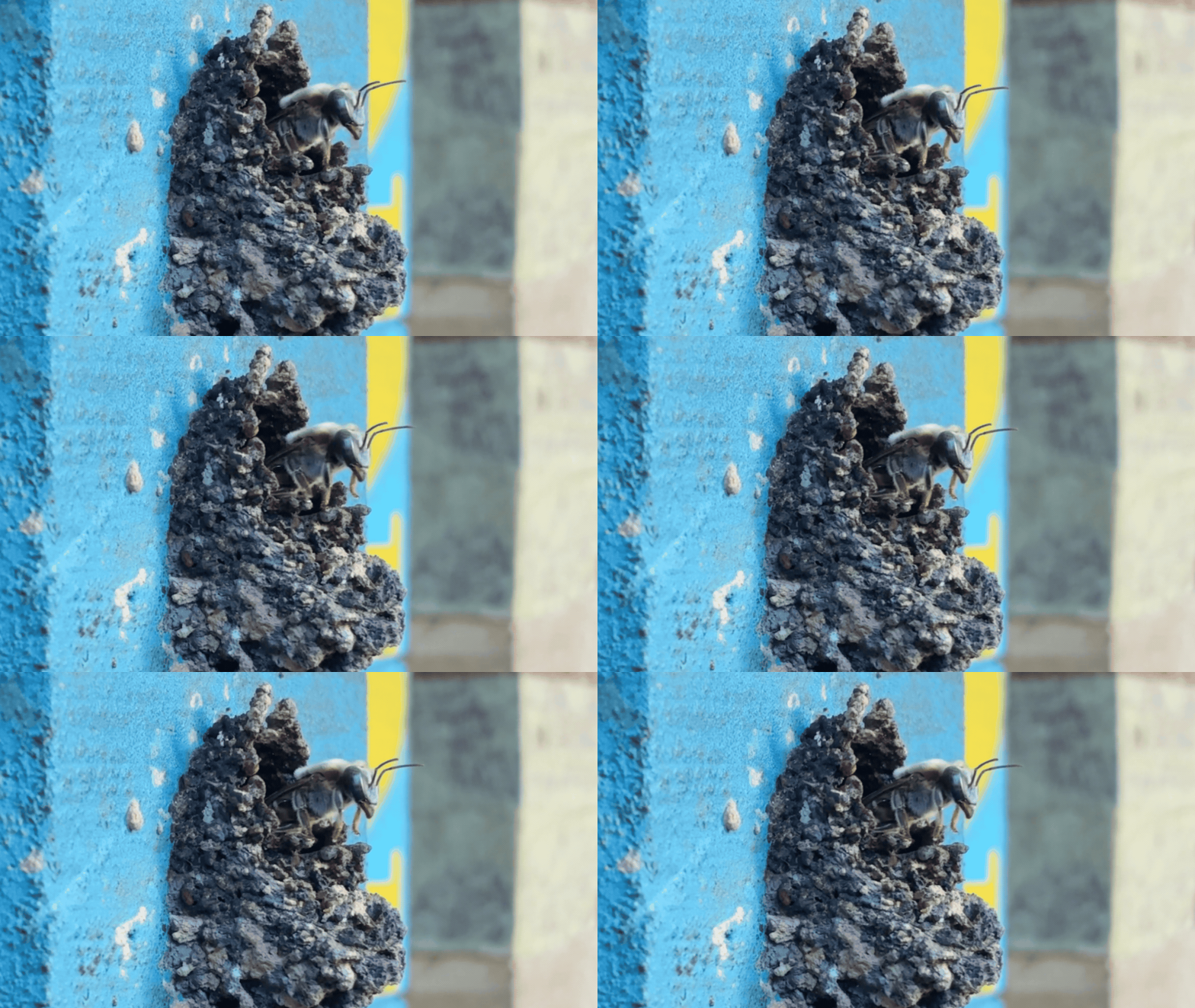
A family in Macapá, Amapá, has been maintaining a collection of over 20 stingless bee hives in their backyard for approximately six years. This practice, known as meliponiculture, involves raising native Brazilian bees and began during the COVID-19 pandemic. The family's apiary currently houses three different species, including local varieties like the stingless gray uruçu and stingless yellow uruçu, which are popular among regional beekeepers due to their adaptability. The project successfully combines environmental preservation with the production of honey that holds significant commercial and medicinal value. Brazil is home to around 250 species of stingless bees, with the Amazon region offering a favorable environment for regional beekeeping markets. The initiative was notably advanced by Takao Meguro Portal, an electrical engineer and meliponicultor who returned to Amapá from São Paulo during social isolation. Initially, the honey was intended for his mother's culinary use and to treat respiratory issues stemming from coronavirus. Takao's father had prior experience with managing European honeybees (Apis mellifera), inspiring the family's interest in native bees, which have a long history of human interaction dating back to the Maya civilization. The Maya utilized this honey in sacred beverages, recognizing its potent medicinal properties. Maintaining a backyard apiary requires diligent inspection routines, as these bees are sensitive to pests. Portal advises new beekeepers to undergo training to avoid errors, emphasizing the delicate nature of these insects. Honey production involves a patient process: after dividing a 'mother' hive, about three months of careful management are needed for the swarm to strengthen before honeycombs can be added. The honey's flavor and color are influenced by the bee species and, more significantly, by the seasonal floral sources available. Brazilian law permits amateur keepers to maintain up to 49 hives; larger operations require environmental agency authorization. Portal stresses that hives should not be removed from the wild unless it's a rescue situation.
This initiative highlights the growing intersection of urban sustainability, traditional ecological knowledge, and commercial opportunity. The family's meliponiculture project demonstrates a model for decentralized, small-scale biodiversity conservation and value creation, leveraging native species. The practice's roots in indigenous practices and its potential medicinal applications suggest a market demand beyond simple consumption, potentially tapping into wellness trends. Regulatory frameworks, such as the limit of 49 hives for amateur keepers, aim to balance hobbyist engagement with ecological impact and public safety, though enforcement and scalability remain considerations. As urban environments face increasing ecological pressures, such backyard initiatives, when properly managed and regulated, could offer scalable solutions for local food systems and biodiversity support, aligning with broader goals of ecological resilience and bio-economy development.
AI-generated to prompt reflection — not editorial opinion, not advice, not a statement of fact. How this works.