Macapá Fish Market Workers Denounce Poor Conditions, Urge Repairs
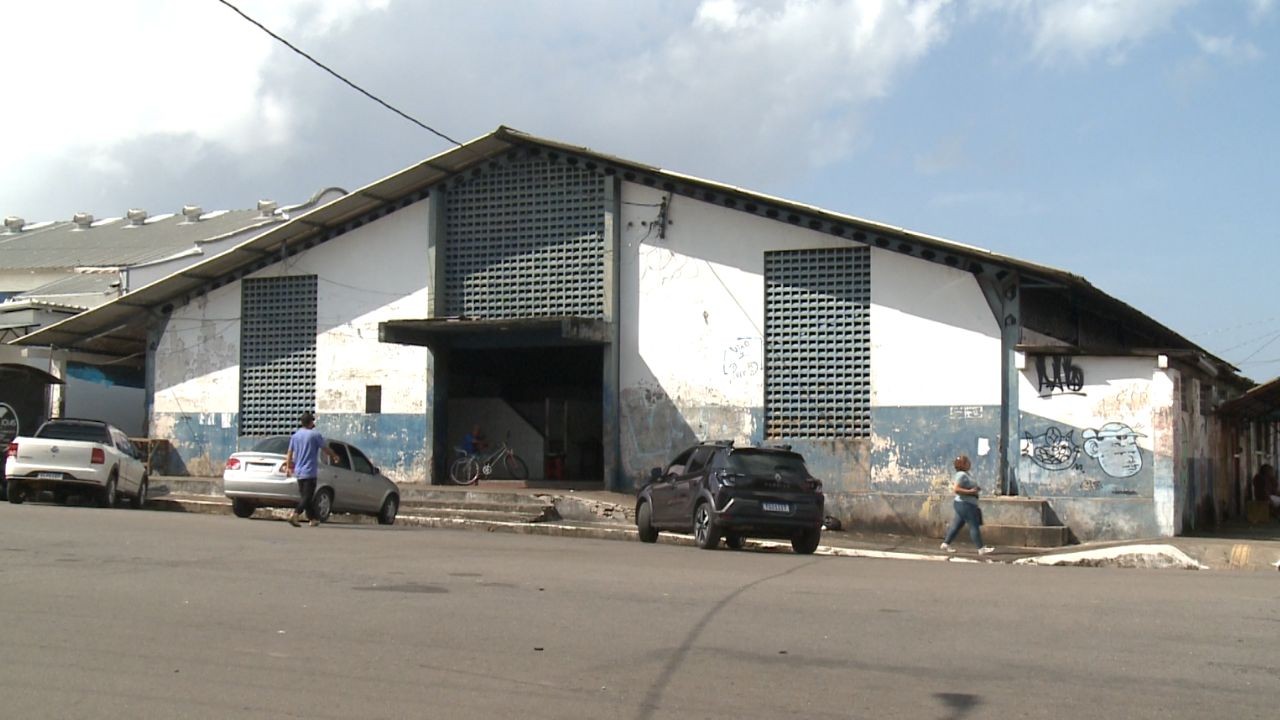
Workers at the traditional Fish Market in Macapá, Brazil, are raising serious concerns about the facility's deteriorating conditions. They report a severe lack of cleanliness, pervasive foul odors, and overall precarious infrastructure, impacting their ability to conduct business. The market, a long-standing hub for local commerce and a part of daily life for many residents, is managed by the Macapá City Hall. Entrepreneurs like Zélia Maria Silva, who owns an establishment there, rely on the loyalty of their customers despite the unappealing environment, which is now plagued by cockroaches, poor lighting, and general filth. Larícia dos Santos, a vendor for ten years, noted the contrast between the renovated surrounding areas and the neglected fish market section, highlighting issues with heat and ventilation. She expressed a desire for improvements, pointing out that other markets in the city have received attention while theirs has been overlooked. The City Hall has acknowledged the problems and stated that a renovation project is scheduled to begin within 30 days. The Fish Market is part of the larger Central Market, which underwent a significant R$1.4 million renovation completed in January 2020, aiming to preserve its colonial structure and add capacity for merchants and tourists. However, the specific area used for fish sales, accessible from Antônio Coelho de Carvalho avenue, appears to have been excluded from these upgrades.
The situation at Macapá's Fish Market highlights a common urban governance challenge: the disparity in infrastructure development and maintenance across different public spaces. While the Central Market's recent R$1.4 million renovation in 2020 demonstrates municipal capacity for significant investment, the adjacent fish market's neglect suggests potential issues in resource allocation, prioritization, or oversight. The workers' appeals, coupled with the acknowledged problems by City Hall and the promise of a renovation within 30 days, point to a reactive approach to public service delivery. Moving forward, a more proactive and equitable maintenance strategy is crucial, ensuring that all public market facilities receive consistent attention to uphold public health standards and support local economies. This situation also underscores the importance of transparent communication and community engagement in urban planning to prevent such critical infrastructure from falling into disrepair, thereby fostering sustainable economic activity and resident well-being.
AI-generated to prompt reflection — not editorial opinion, not advice, not a statement of fact. How this works.