Macapá Health Centers Offer Glargine Insulin Pens
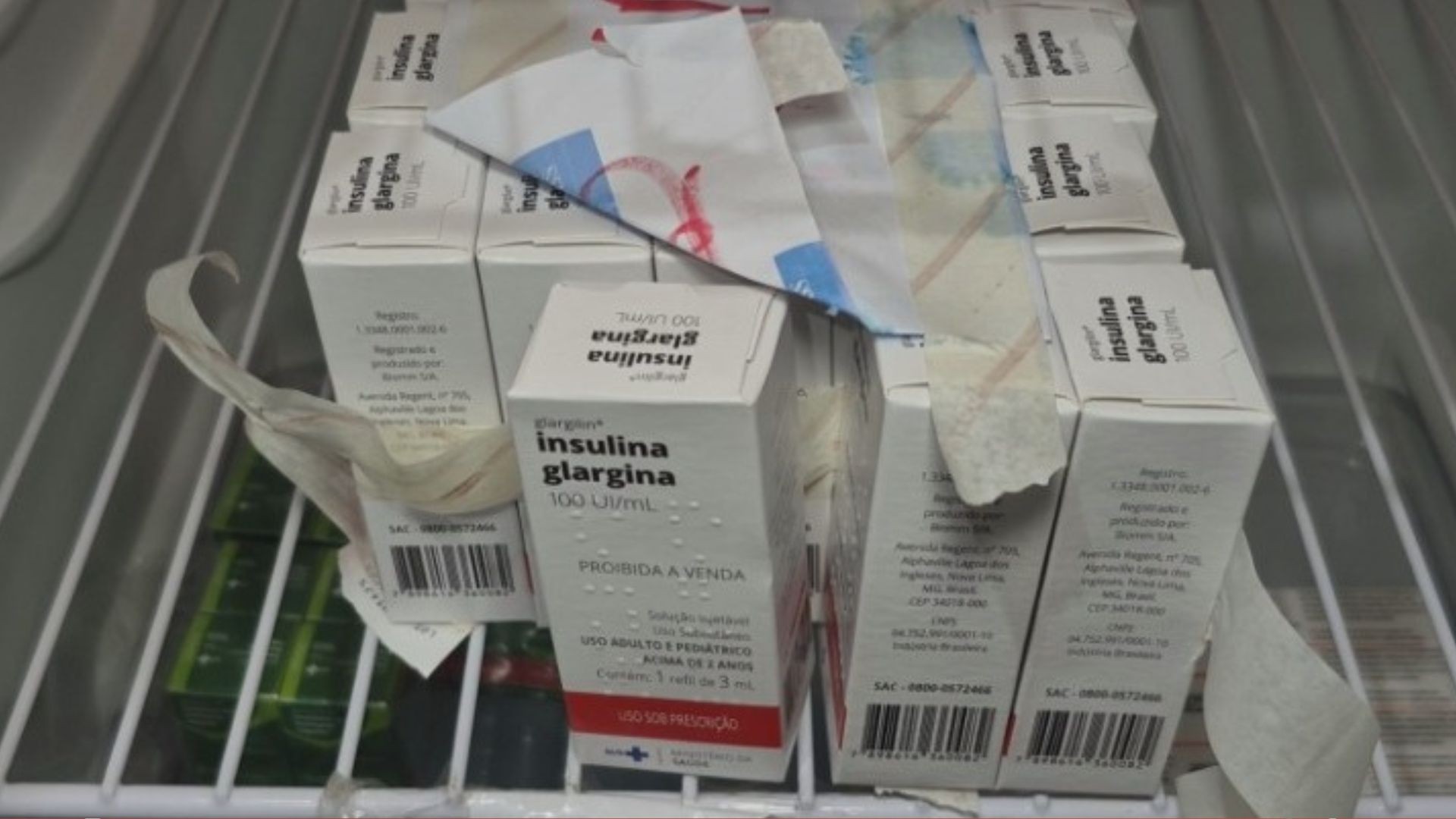
Five Basic Health Units (UBSs) in Macapá are now providing glargine insulin pens to patients diagnosed with type 1 and type 2 diabetes. To be eligible for this treatment, individuals must present a medical prescription along with their personal identification documents. The state of Amapá was the first in Brazil to implement a pilot project from the Ministry of Health, transitioning from NPH insulin to glargine. This new medication has been available in Macapá since April. The glargine insulin is supplied in reusable pen applicators, with refills provided by the Unified Health System (SUS). The program targets children aged 2 to 17, individuals over 80 years old, and adult patients with type 1 and type 2 diabetes who meet specific medical criteria. The UBSs offering the pens include Macapaba, Marabaixo, Congós, Dr. Rubim Aronovitch, and Raimundo Hozanan de Souza. According to the Municipal Health Secretariat of Macapá, the switch to glargine is a gradual process involving medical supervision and staff training. Glargine insulin offers a longer duration of action, lasting up to 24 hours without a pronounced peak, unlike NPH insulin which acts for 12 to 18 hours and has a peak between 4 to 8 hours, increasing the risk of nocturnal hypoglycemia. This sustained action of glargine helps maintain stable blood sugar levels, reducing glucose fluctuations and simplifying treatment, often requiring only one daily application.
The introduction of glargine insulin in Macapá represents a public health initiative aimed at improving diabetes management by replacing NPH insulin. This transition prioritizes patient safety and treatment simplification by offering a longer-acting insulin with a reduced risk of hypoglycemia, particularly nocturnal episodes. The pilot program's expansion to basic health units signifies a commitment to equitable access to advanced treatments within the public health system. Future considerations may involve evaluating long-term patient outcomes, cost-effectiveness compared to NPH, and the scalability of this model to other regions in Brazil, ensuring sustainable access to improved diabetes care.
AI-generated to prompt reflection — not editorial opinion, not advice, not a statement of fact. How this works.