Macapá Issues New Heavy Rain Alert; South Zone Expected to Receive Most Rainfall
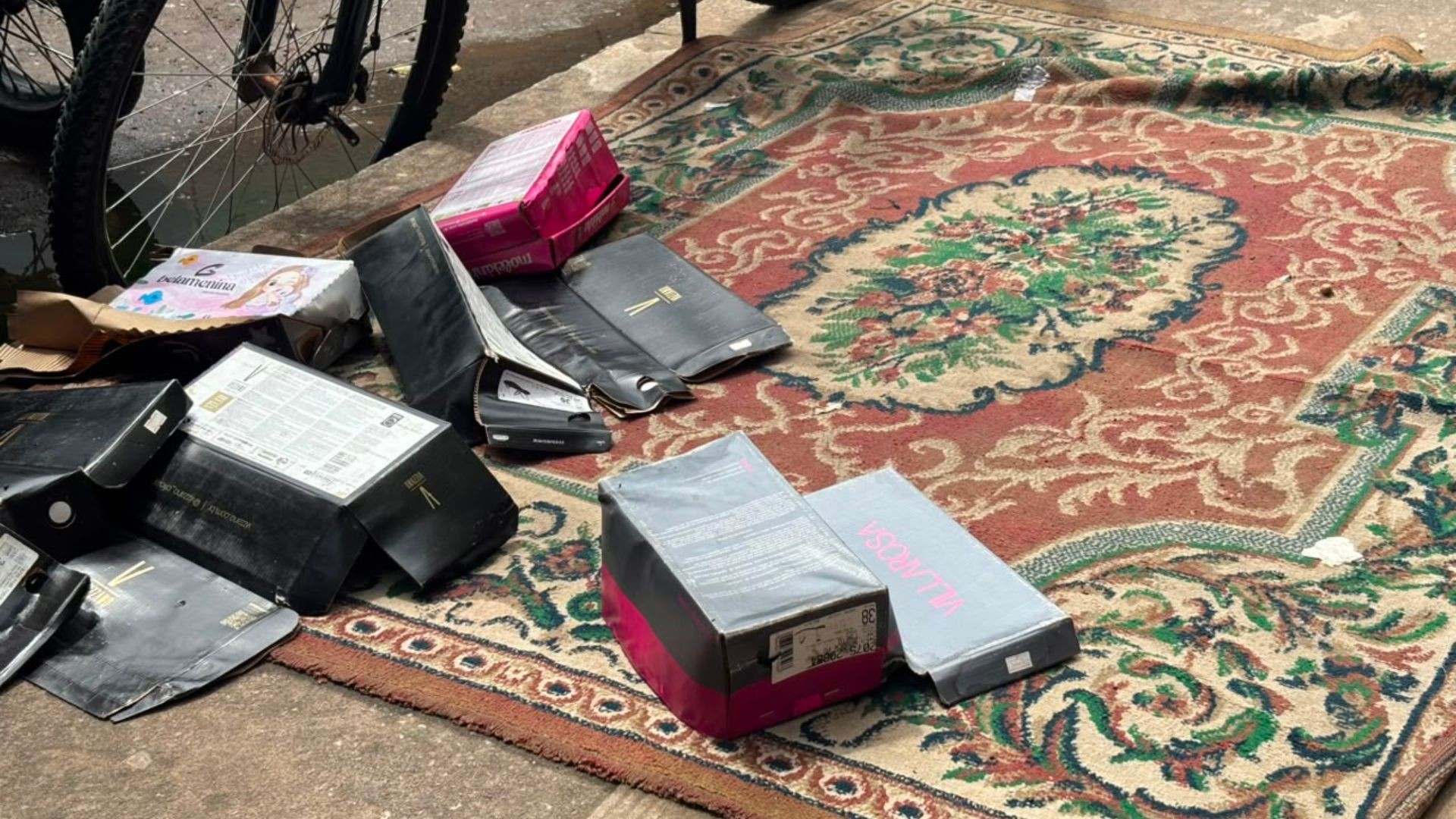
The Macapá City Hall has issued a new alert for heavy rainfall expected to impact the city starting Tuesday, March 21st. According to the Civil Defense, the South Zone is anticipated to experience the largest volume of rain. Since Sunday, March 19th, storms have already caused flooding in the city center. Nadson Costa, coordinator of Civil Defense, stated that Tuesday's forecast includes light to moderate showers with intermittent downpours, a pattern expected to continue until Friday, March 24th. Costa explained that Amapá is currently in a transitional period between winter and summer, where intense heat combined with rain fosters severe thunderstorms. He noted that weak showers and downpours may persist into late July and early August. The South Zone is a focus for alerts due to strategically placed drainage channels, with risks escalating when storms coincide with high tides of the Amazon River, as occurred on Sunday, March 19th. Civil Defense manages sluice gates in these areas, but accumulated garbage in the channels exacerbates the problem. The Municipal Secretariat of Public Works (Semob) and Urban Maintenance are responsible for cleaning, with intensified efforts during the rainy season, particularly in the Beirol and Mendonça Júnior channels. Costa urged the public to avoid discarding waste improperly, as it clogs drainage systems. Approximately 40 millimeters of rain fell in less than an hour on Sunday evening, causing significant flooding and damage to businesses in the city center, with shop owners seen drying shoe boxes on Monday, March 20th. The city has established a committee involving secretariats for public works, social participation and mobilization, social assistance, and urban maintenance to monitor climate emergencies.
The heavy rainfall and subsequent flooding in Macapá highlight the vulnerability of urban infrastructure to extreme weather events, particularly during transitional climate periods. The city's reliance on drainage channels, which are susceptible to blockages from garbage, demonstrates a systemic challenge in waste management that directly impacts climate resilience. The coordination between various municipal secretariats and the Civil Defense is a positive step, but the recurring nature of these events suggests a need for long-term urban planning that integrates climate adaptation strategies. Future efforts should focus on enhancing drainage capacity, implementing robust waste management programs, and potentially relocating critical infrastructure away from high-risk flood zones to mitigate future impacts in the face of intensifying weather patterns.
AI-generated to prompt reflection — not editorial opinion, not advice, not a statement of fact. How this works.