Macapá Program Offers Food and Health Services to Homeless Population
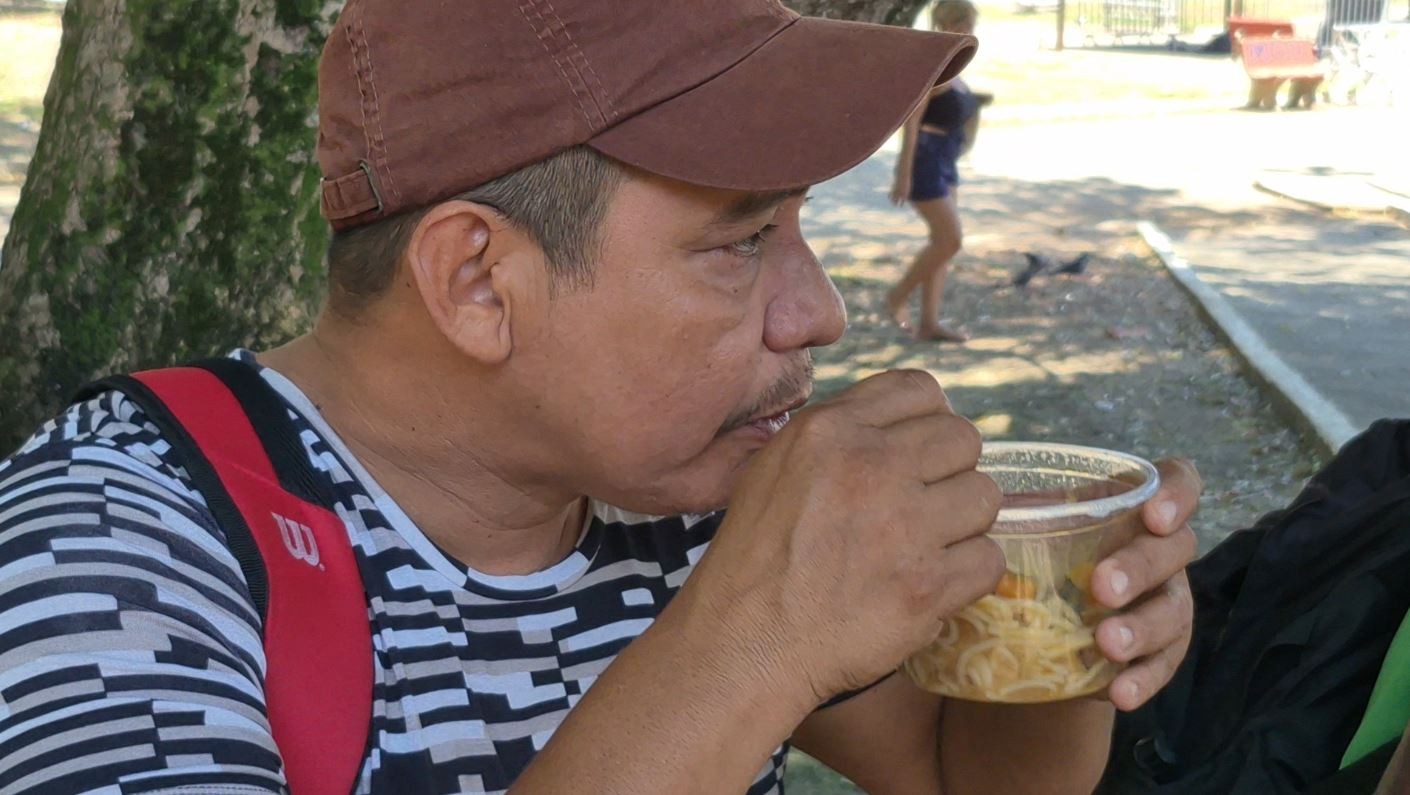
A "Pop Rua Jud" initiative provided essential services to approximately 200 individuals experiencing homelessness in Macapá, Amapá, on Saturday, November 25th. Volunteers distributed around 150 meals at Praça da Bandeira and four other city locations, offering not only food but also clothing, sandals, medication, medical consultations, and skin care. The program, organized by the Amapá Court of Justice (TJAP), aims to bridge the gap for this vulnerable population in accessing basic rights and human dignity. A beneficiary, Mauro de Jesus Moreira, expressed gratitude, noting the program has become a reliable habit for those in need. The initiative also addresses labor and social rights, with federal judge Fernando Eduardo Hack highlighting efforts to secure benefits like continuous assistance for people with disabilities and social security benefits such as disability retirement and sickness benefits. The PopRuaJud program, a national policy for addressing homelessness, utilizes mobile task forces and humanized care to ensure fundamental rights and citizenship. It is coordinated by the National Council of Justice and involves various public bodies, courts, and local partners. Services are provided every Wednesday and Saturday, with plans to expand to additional locations within Macapá.
The "Pop Rua Jud" program exemplifies a judicial system's proactive engagement with societal challenges, moving beyond traditional legal processes to address the immediate needs of the homeless. By integrating food distribution, healthcare, and legal aid, it acknowledges the multifaceted barriers faced by this population. This approach highlights a systemic recognition of human rights and dignity, fostering a more direct connection between justice institutions and citizens. The program's success hinges on inter-agency collaboration and volunteerism, underscoring the need for coordinated efforts to tackle complex social issues. Looking ahead, the sustainability and scalability of such initiatives will be crucial, particularly in adapting to evolving urban landscapes and the increasing visibility of homelessness as a persistent societal concern.
AI-generated to prompt reflection — not editorial opinion, not advice, not a statement of fact. How this works.