Macapá Roads See Spike in Accidents; Josmar Chaves Pinto Leads with 60 Incidents
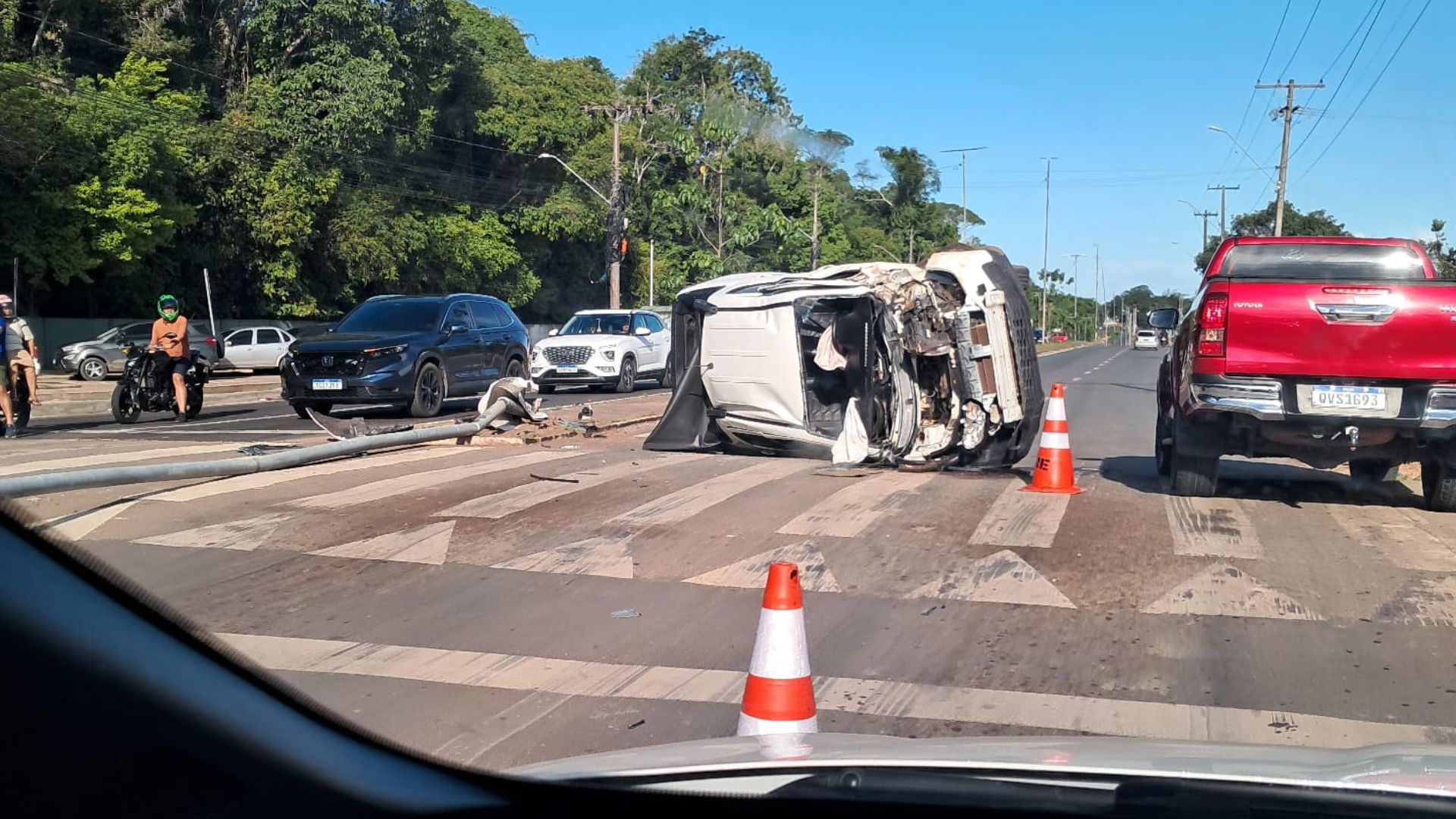
Between January and May 2026, the state of Amapá recorded 160 accidents on its main state highways connecting the capital to other regions, according to the 9th Military Police Battalion. The Josmar Chaves Pinto highway (AP-010), which links Macapá and Santana, was the most affected, registering 60 accidents and one fatality, making it the road of greatest concern to authorities. The Duca Serra highway (AP-020) followed with 58 accidents, experiencing significant congestion due to its role as a primary access to the West Zone. The Centenário highway (AP-433) reported 40 accidents, serving as a crucial link between the West and North Zones and reducing travel times across the city. Overall traffic fatalities in Amapá doubled during this period, rising from 7 to 14 compared to the same period last year. Captain Garreto of the 9th BPM attributed the increase in accidents to intense traffic flow, but primarily to driver inattention, negligence, and disregard for traffic laws, with speeding being a common factor. Motorcyclists continue to be the most frequent victims of traffic incidents. Accidents are concentrated in the central neighborhoods of Macapá, particularly during peak morning and late afternoon hours. A recent fatality involved a 26-year-old motorcyclist, Yago Barbosa Santos, who died on May 5th after losing control of his vehicle on the Josmar Chaves Pinto highway.
The data from Macapá highlights a critical public safety challenge stemming from increased vehicular traffic and a persistent issue of driver non-compliance with traffic regulations. While infrastructure improvements like the Duca Serra viaduct aim to mitigate congestion, the primary drivers of accidents appear to be human factors such as inattention and speeding, as indicated by police reports. The doubling of traffic fatalities underscores the urgency for more effective enforcement and public awareness campaigns. Future strategies should consider leveraging technology for real-time traffic monitoring and driver behavior analysis, alongside enhanced road safety education programs that address the specific risks faced by vulnerable road users like motorcyclists. The analysis suggests a need to re-evaluate the efficacy of current traffic management policies and explore innovative solutions to foster a culture of responsible driving, particularly in light of anticipated future increases in vehicle density.
AI-generated to prompt reflection — not editorial opinion, not advice, not a statement of fact. How this works.