Macapá's 80-Year-Old Samaúma Tree Declared Protected Heritage
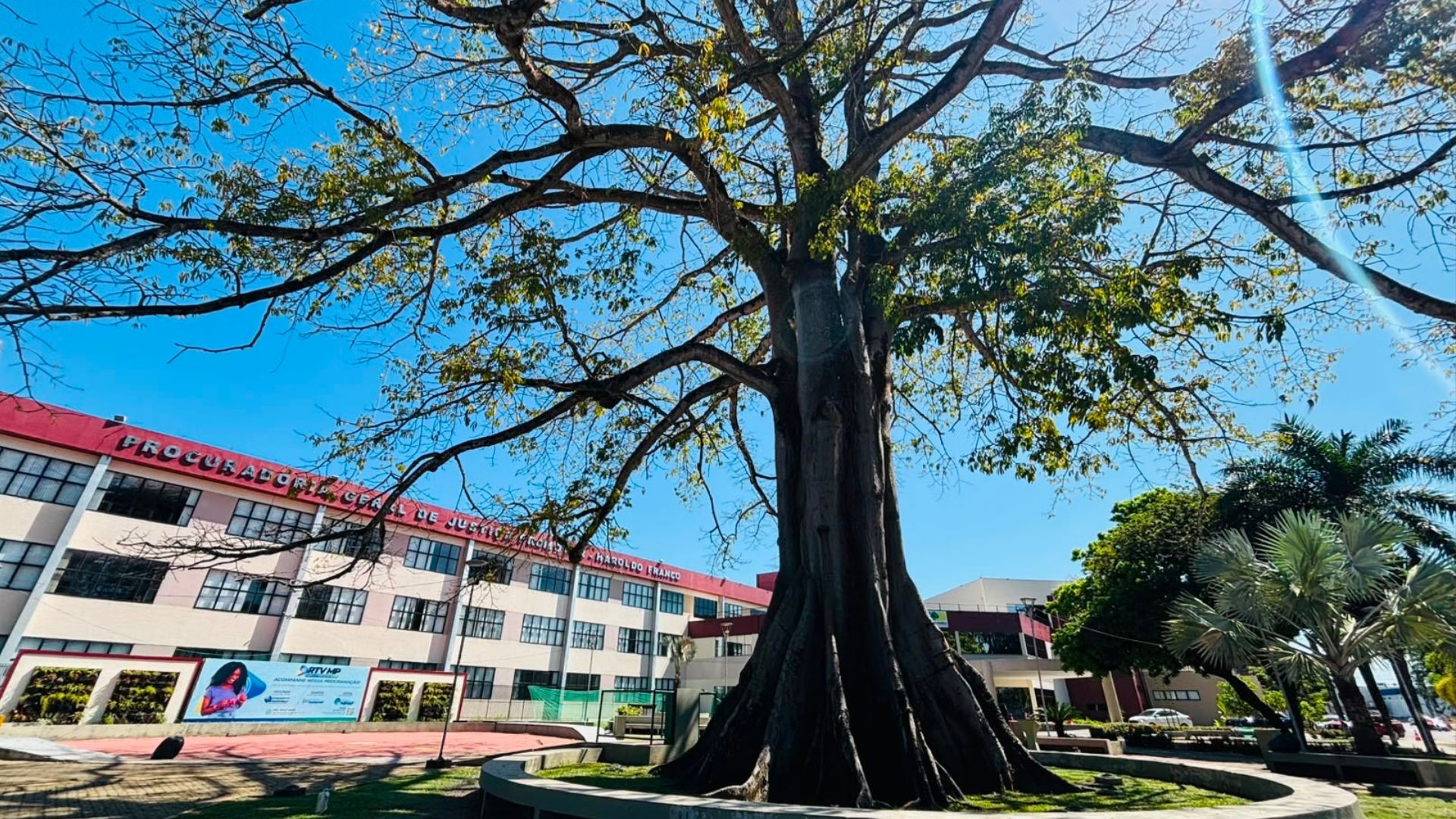
An ancient Samaúma tree, estimated to be over 80 years old and standing approximately 30 meters tall, has been officially designated as protected heritage in Macapá, Amapá, Brazil. The Amapá state government issued a decree on July 8th, formalizing its protection following a request from the State Public Prosecutor's Office (MP-AP). This venerable tree, located in front of the Prosecutor General's Office in the Araxá neighborhood, is considered a symbol of the MP-AP's history and its commitment to societal and environmental protection policies. The decree ensures legal safeguards, prohibiting the felling, exploitation, abusive pruning, or any unauthorized intervention that could harm the tree's health, thereby preserving Amazonian flora. The Prosecutor General, Alexandre Monteiro, emphasized that while the MP-AP already cared for the tree, the decree elevates their responsibility to a legal obligation. The tree was present when the land for the Prosecutor's Office was acquired in 2005 and has since been a focal point, even lending its name to the square in front of the building, inaugurated in 2013. The Samaúma, with its deep roots, represents a significant environmental asset, supporting surrounding ecosystems and species. It has witnessed numerous transformations in Amapá, predating the region's territorial status. Currently, due to the climate, the tree has dry leaves but is expected to bloom soon. It also inspires the MP-AP's annual 'Luau da Samaúma' event, which combines culture and gastronomy.
The official heritage designation of the Samaúma tree in Macapá highlights a growing trend of recognizing significant natural assets as cultural and environmental patrimony. This move by the Amapá government, prompted by the Public Prosecutor's Office, demonstrates a strategic approach to environmental governance by leveraging symbolic value to enforce legal protection. Such designations can serve as powerful tools for conservation, embedding ecological preservation within a framework of public interest and historical continuity. Looking ahead, this action could inspire similar initiatives across the Amazon, fostering a broader appreciation for ancient trees as critical components of both local identity and regional biodiversity. The challenge will be ensuring consistent enforcement and resource allocation to uphold these protections against potential development pressures in the coming decade.
AI-generated to prompt reflection — not editorial opinion, not advice, not a statement of fact. How this works.