Macapá's Iepa Pharmacy Reopens, Offering Affordable Natural Amazonian Medicines
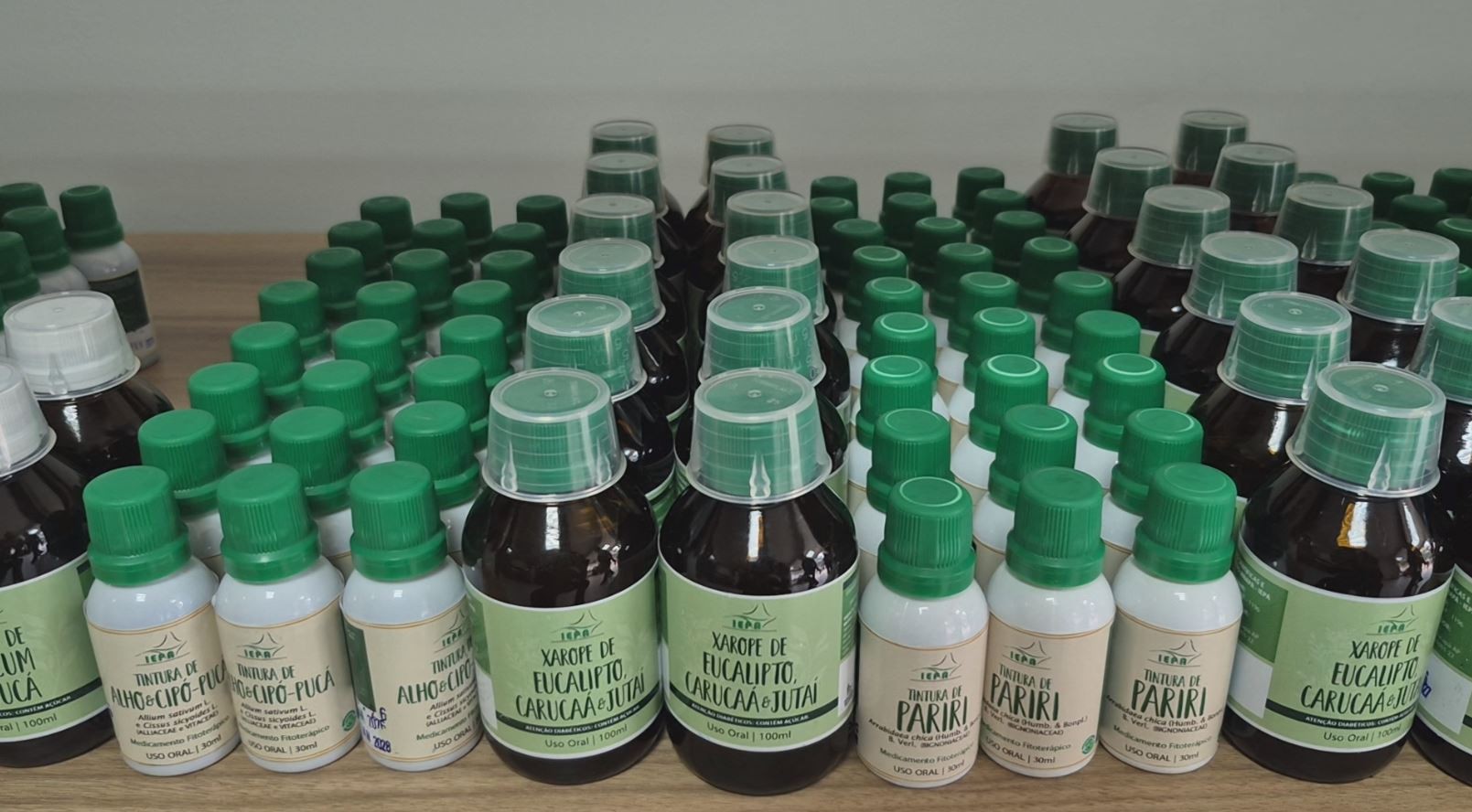
The pharmacy of the Amapá State Institute for Scientific and Technological Research (Iepa) has reopened in Macapá after a four-year revitalization period. Located at Avenida Feliciano Coelho, nº 1509, in the Trem neighborhood, the facility will serve the public Monday through Friday, from 8 AM to 1 PM. This pharmacy merges scientific research with Amazonian tradition, transforming studies on local plants into phytotherapeutic remedies. The process rigorously validates traditional knowledge through scientific testing before products are made available to the community. Raw materials are ethically collected by professionals who identify correct species and respect natural plant cycles, representing the final stage of a process beginning in the forest and continuing through laboratory studies. The pharmacy's director-president, Irisnea Silva, highlighted the availability of effective and safe medicines at affordable prices, noting their high quality and demand, even from abroad. Nadia Soares, president of the Regional Pharmacy Council of Amapá (CRF-AP), celebrated the reopening, emphasizing the restored access to scientifically-backed medicines derived from local Amazonian flora. Field collector Jonas Oliveira Cardoso described the challenges of sourcing plants, including extensive treks through dense forest and careful handling to prevent contamination during transport, stressing the importance of accurate species identification for medicinal use. He mentioned specific plants like Mururé Pajé, Muirapuama, Sucuúba, and Ipê-roxo are collected.
The reopening of the Iepa pharmacy in Macapá signifies a potential shift towards valuing and integrating indigenous knowledge and local biodiversity within public health systems. By offering scientifically validated, affordable phytotherapeutic options, it addresses both accessibility and cost barriers to healthcare. This initiative could foster greater regional self-sufficiency in pharmaceutical production and stimulate local economies through sustainable resource management. Future challenges will likely involve scaling production, ensuring consistent quality control, and navigating regulatory frameworks for natural medicines, while also considering the long-term ecological impact of resource collection and the potential for bioprospecting conflicts. The model's success may depend on its ability to balance traditional practices with modern scientific standards and market demands.
AI-generated to prompt reflection — not editorial opinion, not advice, not a statement of fact. How this works.