Macapá's Influenza Vaccination Drive Reaches Over 800 Residents
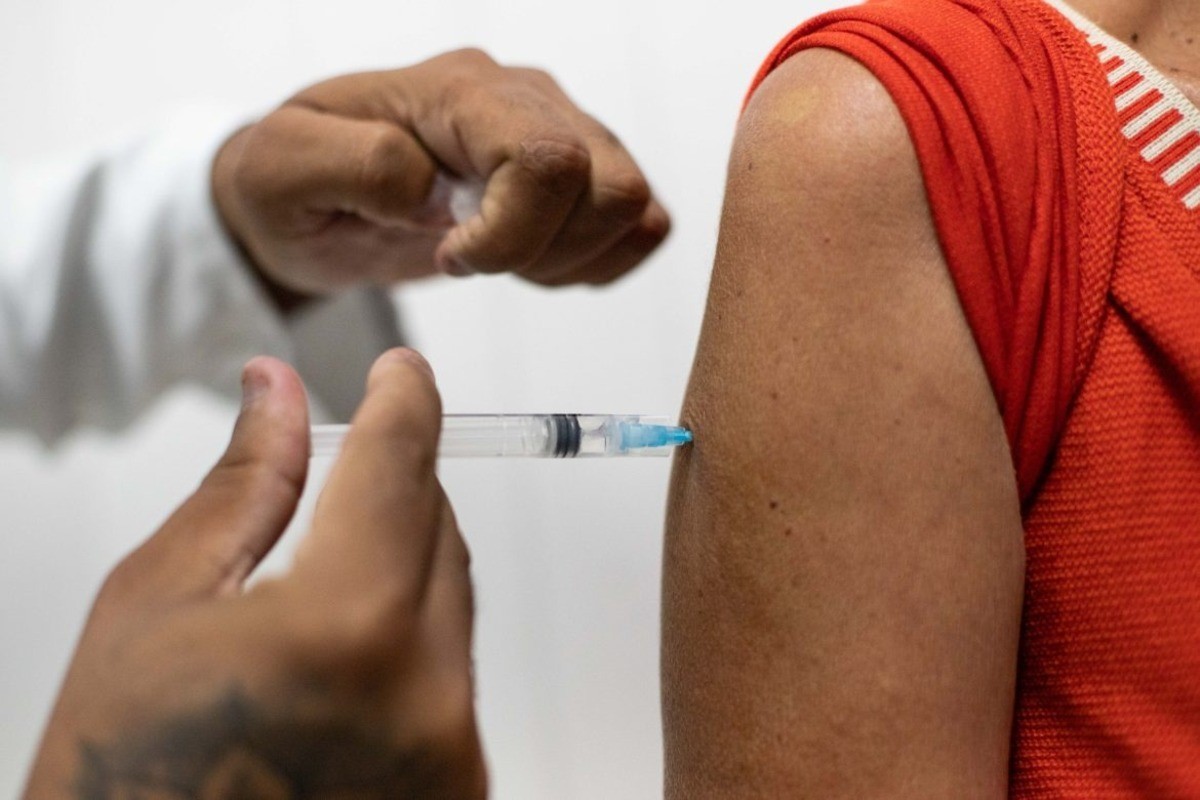
Macapá, Brazil, has administered over 800 doses of the influenza vaccine through the "+Vacina" program, a proactive initiative by the State Health Surveillance aimed at increasing vaccination coverage. This effort is part of a broader response to a viral infectious disease outbreak declared an emergency across all 16 municipalities of Amapá state. The program targets vulnerable populations, including children, the elderly, and pregnant women, by conducting door-to-door visits across Macapá's four zones. The initiative began on November 2, 2023, and was extended beyond its original February 28 end date due to historically low vaccination rates in the state. In just 10 days of home visits, 889 doses were administered, prioritizing Macapá due to its lowest vaccination coverage and highest number of severe acute respiratory syndrome (SARS) cases. Health officials emphasize that SARS, which typically peaks during the rainy season, disproportionately affects vulnerable groups, leading to hospitalizations and fatalities, particularly among children and the elderly. Epidemiological studies indicate that low vaccination rates were the primary driver of the recent surge in cases, with unvaccinated individuals accounting for all severe SARS cases and deaths. The program has visited 1,586 households and consulted 466 vaccination records, guiding residents to nearby health units. The success of this influenza campaign may lead to expanded efforts for other vaccines with low coverage.
The intensified vaccination campaign in Macapá addresses a critical public health challenge exacerbated by low vaccine uptake and a declared state of emergency due to viral outbreaks. By prioritizing home visits for vulnerable groups, the initiative directly confronts barriers to access and aims to mitigate severe respiratory illness and hospitalizations. The data suggesting a correlation between unvaccinated status and severe outcomes underscores the importance of public health messaging and accessible vaccination services. Looking ahead, sustained investment in public health infrastructure and community engagement will be crucial to building long-term resilience against infectious diseases, particularly as climate patterns may influence seasonal disease transmission and strain healthcare systems.
AI-generated to prompt reflection — not editorial opinion, not advice, not a statement of fact. How this works.