Macapá to Remove Abandoned Boats from City Canals
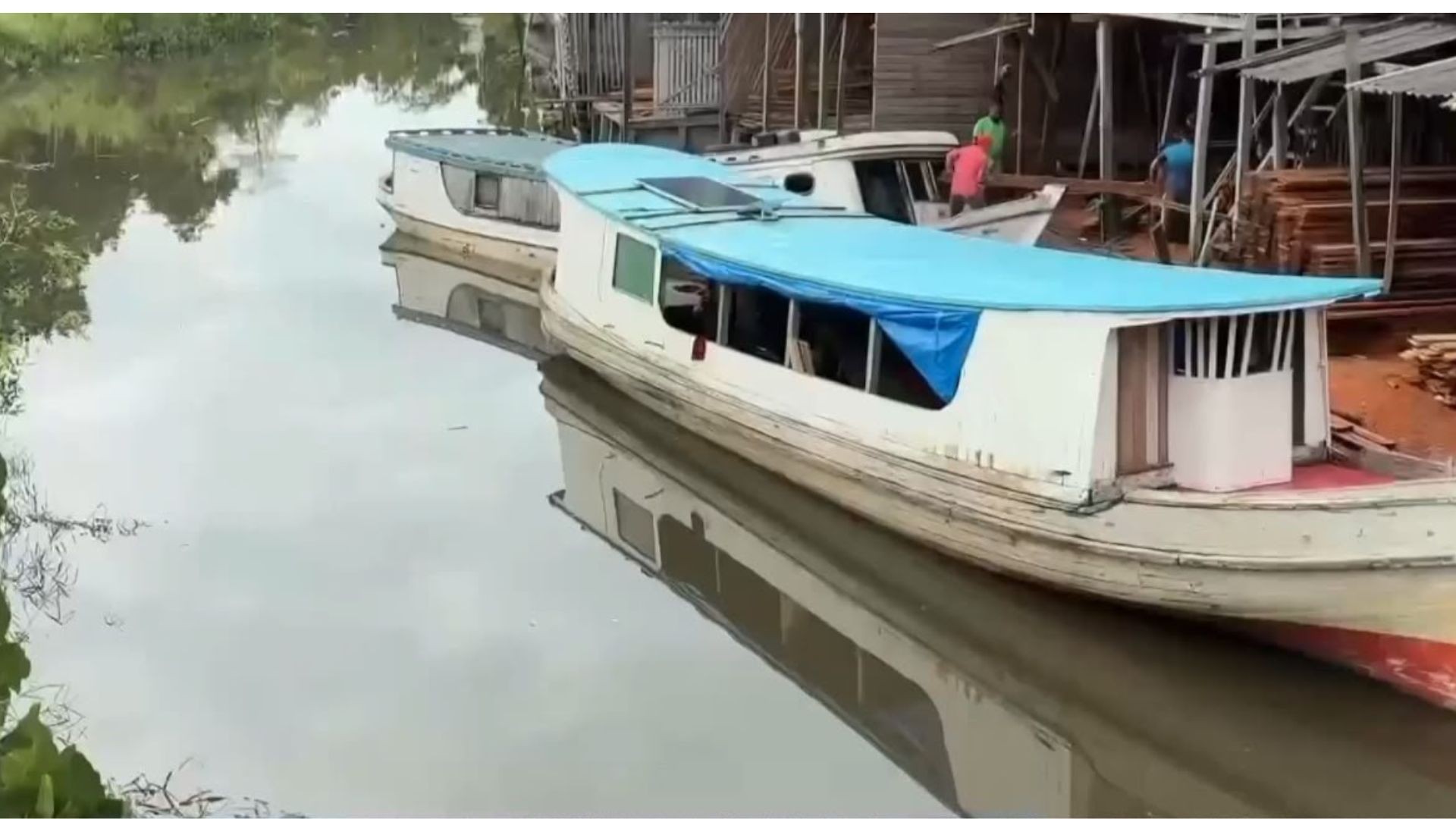
The Municipality of Macapá, Brazil, will remove abandoned boats from the city's canals following a recommendation from the State Public Prosecutor's Office (MP-AP). In the Jandiá canal, located in the North Zone, at least 36 abandoned vessels have been identified for removal starting in early August. According to an MP report, most of these boats are in poor condition, constructed from wood or metal, and anchored along the canal banks. Beyond hindering navigation, these abandoned boats contribute to pollution and pose environmental risks. Prosecutor Marcelo Moreira emphasized that the canals are crucial for the city's drainage system, not just for boat traffic. Obstructions can lead to flooding, potentially impacting areas as far as Avenida Fab. The municipality is cooperating with the MP's recommendations, with the Urban Maintenance Secretariat initiating the process by cleaning the canals before boat removal. The operation will proceed in stages, starting with smaller boats and progressing to larger ones, followed by dismantling and disposal at a designated landfill site. The MP will also pursue owners who fail to regularize their vessels with the Port Authority and the Public Prosecutor's Office, potentially leading to the boats' disposal and owners being charged for removal costs. These canals are vital for Macapá, facilitating the arrival of people and the supply of goods from the state's riverside communities.
This initiative addresses a critical infrastructure and environmental issue in Macapá, highlighting the intersection of urban planning, public safety, and ecological stewardship. The MP-AP's intervention underscores the importance of regulatory oversight in ensuring that public waterways serve their intended dual purpose of transportation and drainage. The municipality's proactive response, involving phased removal and disposal, demonstrates a commitment to resolving the problem. Looking ahead, establishing clear protocols for vessel registration and maintenance, alongside robust enforcement mechanisms, could prevent future accumulations and their associated risks, thereby enhancing the city's resilience to environmental challenges and improving public health outcomes.
AI-generated to prompt reflection — not editorial opinion, not advice, not a statement of fact. How this works.