Macedonian PM: Citizens Frustrated by EU Concessions, Not Current Stagnation
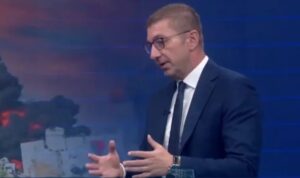
North Macedonian Prime Minister and VMRO-DPMNE leader Hristijan Mickoski stated in a TV interview that citizens are not frustrated by the current stagnation in the EU accession process, but rather by the long-standing concessions made over the years. Mickoski affirmed that the government will continue with reforms and the European integration process. However, he emphasized that constitutional amendments will not be accepted without clear guarantees that these are the final demands on the path to the European Union. He was responding to criticisms that the government is failing to unblock the European integration process. The Prime Minister indicated that the government's focus remains on advancing towards the EU, but with a strategic approach that prioritizes national interests and avoids further concessions without concrete assurances of progress. The interview touched upon the challenges and complexities of the EU accession path, highlighting the delicate balance between meeting accession criteria and safeguarding national identity and sovereignty.
The statement by Prime Minister Mickoski frames public sentiment around EU accession, attributing frustration not to current governmental inaction but to historical compromises. This framing potentially shifts accountability for stalled progress from the present administration to past agreements. By emphasizing a need for 'clear guarantees' before accepting further constitutional changes, the Prime Minister signals a strategic recalibration of North Macedonia's EU negotiation stance. This approach could be interpreted as an attempt to leverage future concessions to secure more definitive accession milestones, thereby managing domestic political pressures. The long-term implications involve navigating the EU's evolving enlargement policies and balancing national interests against the geopolitical imperative of regional stability and integration.
AI-generated to prompt reflection — not editorial opinion, not advice, not a statement of fact. How this works.