Macedonian PM Urges Opposition to Agree on Electoral Code, Claims Coalition is Aligned
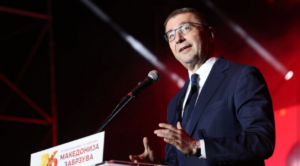
North Macedonian Prime Minister Hristijan Mickoski has called on the opposition parties to demonstrate responsibility and maturity regarding the Electoral Code. He stated that the ruling coalition has already reached an agreement on the proposed changes. Mickoski expressed his expectation that the opposition will present their proposals, which he indicated would be accepted without reservation. This appeal comes in response to a suggestion by the leader of SDSM, Venko Filipche, to establish an expert group to address the Electoral Code. The Prime Minister emphasized that the government is prepared to consider and adopt the opposition's suggestions, highlighting the coalition's internal consensus. He believes that a unified approach from the opposition is crucial for advancing the legislative process. Mickoski's statement underscores a desire for bipartisan cooperation on electoral reforms, aiming to finalize the code through a collaborative effort. The government's stance suggests an openness to compromise, provided the opposition presents concrete proposals.
The Prime Minister's call for opposition consensus on the Electoral Code highlights a common challenge in legislative processes: achieving bipartisan agreement on foundational electoral rules. By asserting the ruling coalition's alignment, the government positions itself as ready to move forward, placing the onus on the opposition to present a unified front. This dynamic can be viewed through the lens of political strategy, where consensus-building is often intertwined with electoral considerations. The government's offer to accept opposition proposals 'blanko' could be interpreted as a tactic to either expedite the process or to highlight potential divisions within the opposition if they fail to present a cohesive stance. Future electoral reforms will likely continue to navigate these complex interactions between party interests, governance efficiency, and the public's demand for fair representation.
AI-generated to prompt reflection — not editorial opinion, not advice, not a statement of fact. How this works.