Maceió braces for heavy rains as Civil Defense issues urgent warning
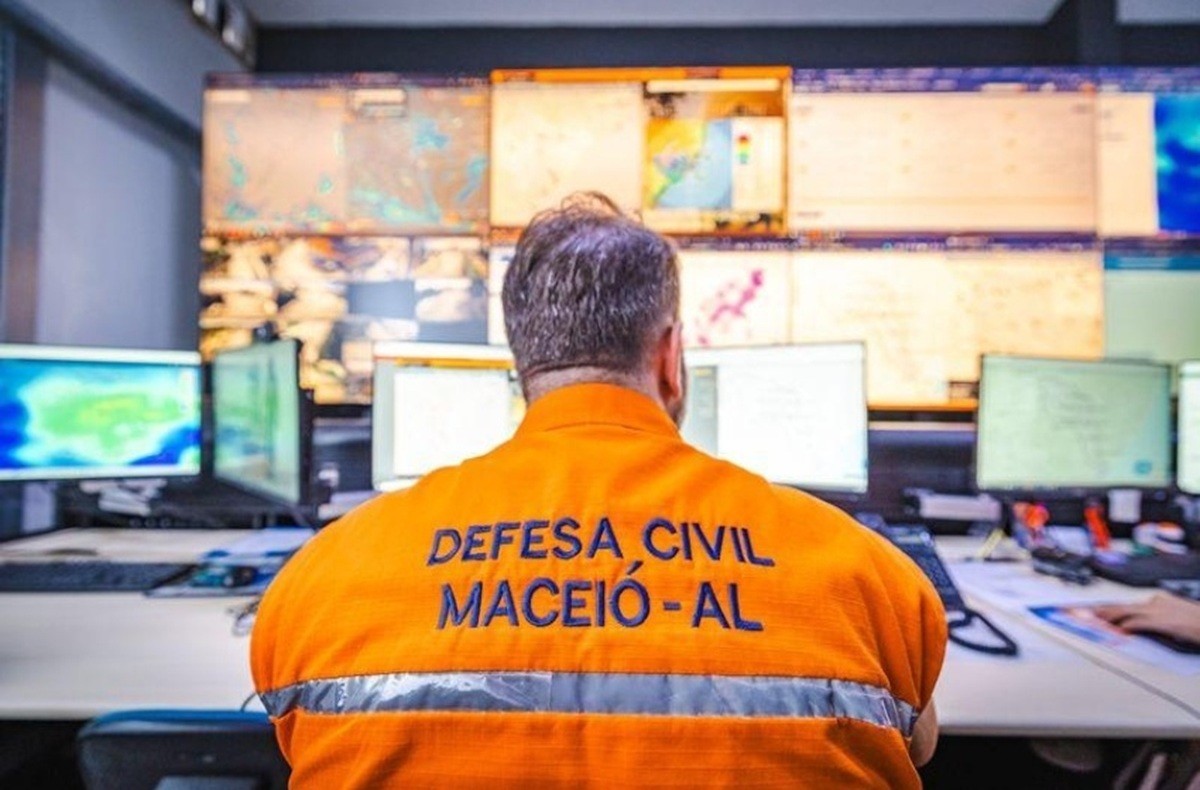
Maceió's Civil Defense agency has issued an alert for intense rainfall expected in the capital city on Friday, May 17th. This forecast is based on daily meteorological models, and the agency's teams are on standby to respond to potential incidents. Technical staff are continuously monitoring weather conditions and data from rain gauges around the clock. Further communications will be released if the situation changes.
Abelardo Nobre, the General Coordinator of Maceió's Civil Defense, emphasized the agency's preparedness and urged residents to heed official advisories. He specifically advised those living in high-risk areas to pay extra attention to warning signs of danger, highlighting prevention as the primary means of safeguarding lives. Residents in hillside areas or those prone to flooding should watch for cracks in walls or the ground, leaning trees, poles, or walls, and structural creaking sounds. If any signs of land movement or other risks are detected, immediate evacuation and contact with Civil Defense are recommended.
The agency also advises against crossing flooded streets, submerged bridges, or areas with strong currents. It further cautions against seeking shelter under trees during strong winds and electrical storms. In emergencies, Maceió's Civil Defense can be reached via phone at 199, 156, (82) 3312-5890, (82) 3312-5899, and 0800 030 6205. Free meteorological alerts are also available by texting a resident's CEP (postal code) to 40199.
The Civil Defense's proactive warning in Maceió reflects a growing emphasis on meteorological preparedness in urban centers facing climate volatility. By disseminating specific danger signs and emergency contact information, the agency aims to empower citizens to take immediate protective actions, thereby mitigating potential loss of life and property damage. This approach underscores a shift towards community-based resilience, recognizing that official response, while critical, is most effective when augmented by informed public vigilance. The system's effectiveness hinges on the public's consistent monitoring of official channels and adherence to safety protocols, particularly in areas historically vulnerable to natural hazards.
AI-generated to prompt reflection — not editorial opinion, not advice, not a statement of fact. How this works.