Maceió Mental Health Center Robbed for 7th Time in 3 Months, Services Suspended
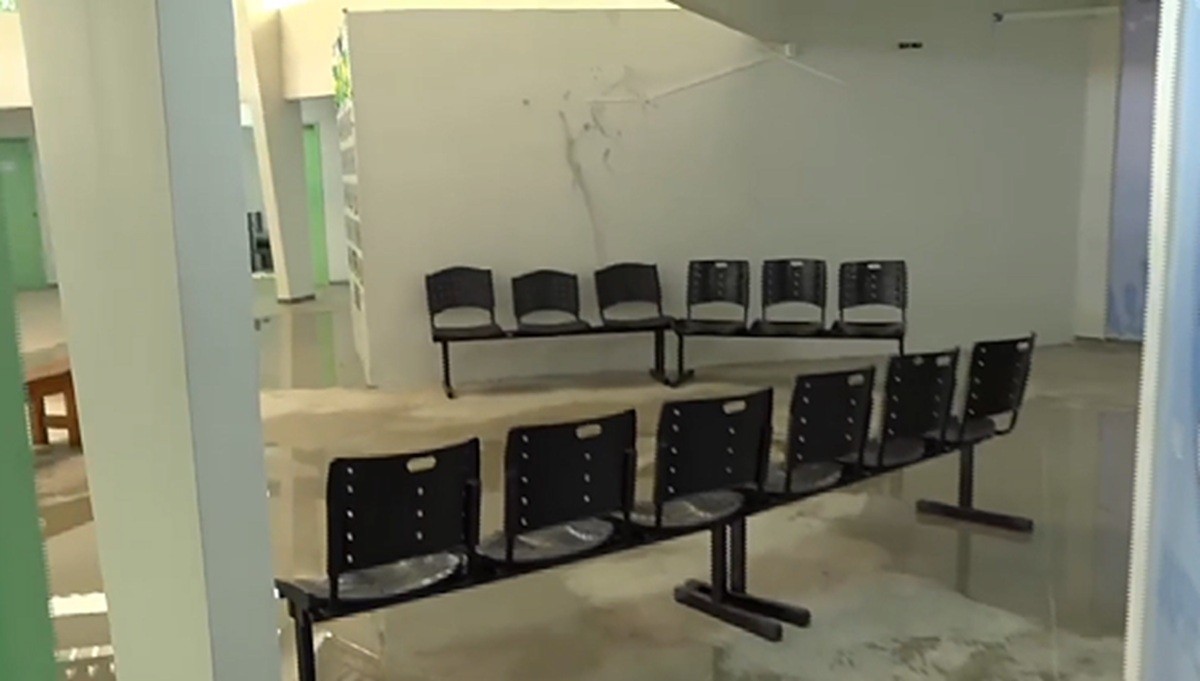
The Dr. Rostan Silvestre Psychosocial Care Center (Caps) in the Jatiúca neighborhood of Maceió, Brazil, has been repeatedly targeted by thieves, experiencing its seventh break-in and theft in approximately three months. The most recent incident saw criminals steal all the faucets, mattresses, and the last remaining water cooler. Previous thefts since April include four computers, seven fans, 12 air conditioning units, two water coolers, two televisions, a mini-fridge, two gas cylinders, and all electrical wiring. Due to the repeated thefts and the resulting damage and loss of essential equipment, the Municipal Health Secretariat (SMS) has temporarily suspended services at the center, with no current timeline for their resumption. Staff express growing insecurity, questioning the lack of permanent surveillance and the state's and municipality's perceived inaction, fearing for the safety of both staff and patients. The SMS stated that despite a 24-hour video surveillance system and a security team, these measures have proven insufficient to deter the criminal activities. The secretariat has requested increased patrols from the Municipal Guard and confirmed that private security is engaged when necessary through administrative processes. The SMS is taking legal action and intensifying security measures to protect public property.
The repeated thefts at the Dr. Rostan Silvestre Caps highlight a critical vulnerability in public service infrastructure, particularly for facilities serving vulnerable populations. The recurring nature of these incidents, despite existing security measures like video surveillance and on-site teams, suggests a systemic inadequacy in deterring determined criminal activity or a potential gap in response protocols. The resulting suspension of services directly impacts community mental health access, underscoring the tension between public safety needs and the operational continuity of essential services. Future strategies may need to consider a multi-layered approach, potentially involving community engagement, enhanced physical security beyond passive monitoring, and a critical review of patrol effectiveness by municipal forces to ensure the protection of these vital public assets and the well-being of their users.
AI-generated to prompt reflection — not editorial opinion, not advice, not a statement of fact. How this works.