Maceió's New Master Plan Aims for Compact, Functional City
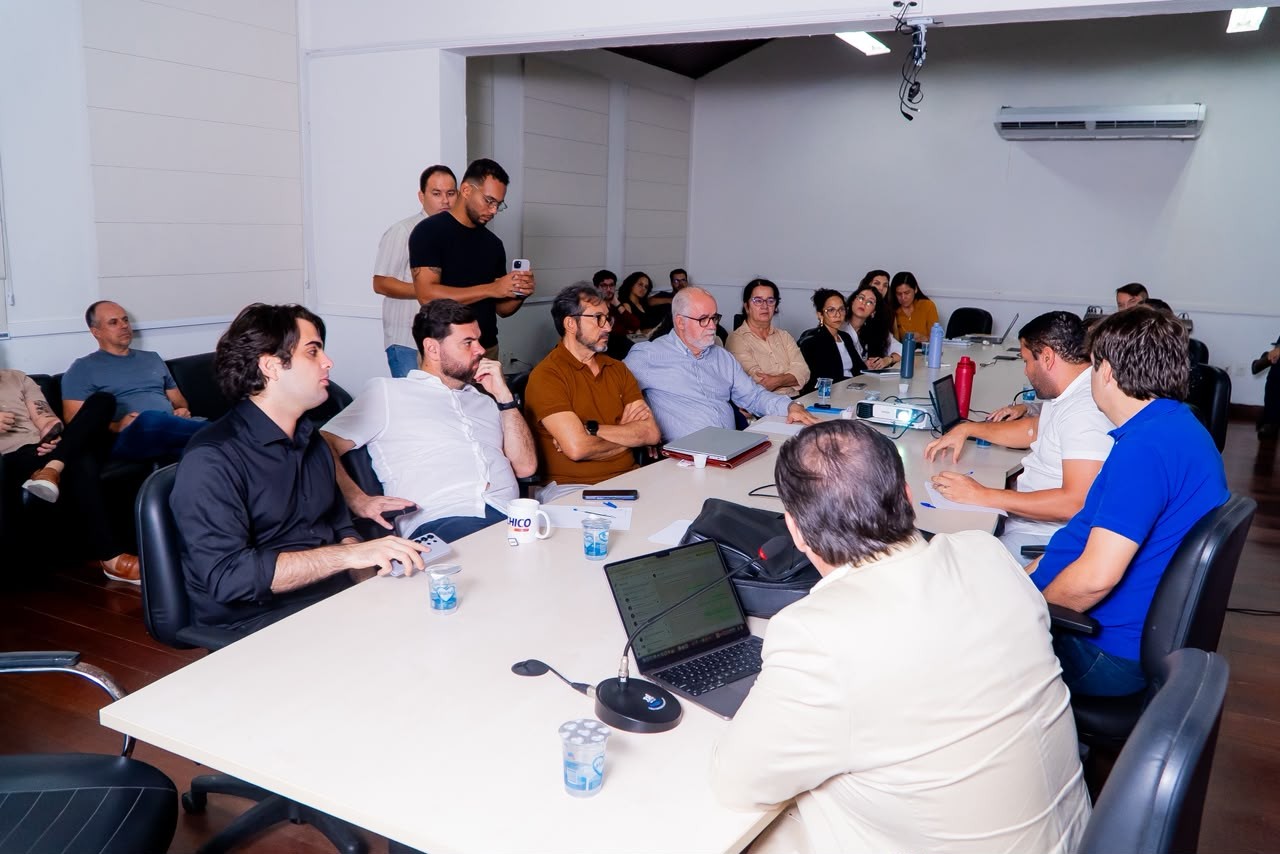
Maceió's Municipal Chamber hosted a presentation by the Institute for Urban and Environmental Research, Planning, and Licensing (Iplam) detailing the city's new Master Plan. The plan's primary objective, according to Iplam's President, Alessandro Lemos, is to transform Maceió into a compact and functional urban center. This involves encouraging new developments and repurposing abandoned properties in densely built-up neighborhoods. Technical Director Paula Rangel identified key areas for this intensification, including the coastal strip, Farol, Jacintinho, Cruz Das Almas, and extending towards Santa Lúcia and Antares, within Zones of Controlled Densification (ZACs). The plan also designates specific zones with different regulations, such as the Cultural Preservation Special Zones of the historic Center and Jaraguá, which are targeted for revitalization efforts by both the City Hall and the Chamber. President Lemos emphasized the vision of creating self-sufficient neighborhoods, where residents have access to both housing and commercial infrastructure, minimizing daily commutes. He stated that such self-sufficiency is crucial to prevent urban collapse and drew parallels with successful examples in other cities. This meeting signifies the commencement of discussions on the Master Plan within the Chamber, with further public hearings planned. The current draft of the plan is under review by the Constitution and Justice Committee.
The proposed Master Plan for Maceió seeks to address urban sprawl and enhance functionality through controlled densification and the revitalization of existing areas. By promoting self-sufficient neighborhoods, the initiative aims to reduce infrastructure strain and improve residents' quality of life by minimizing travel distances. This strategic approach to urban development, focusing on leveraging existing built environments and encouraging mixed-use zones, reflects a growing global trend in city planning. The plan's success will likely depend on effective implementation, community engagement, and the ability to balance development pressures with the preservation of cultural heritage, particularly in historically significant areas like the Center and Jaraguá. Future challenges may include managing the economic incentives for development, ensuring equitable access to amenities across different zones, and adapting to evolving urban dynamics in the coming decade.
AI-generated to prompt reflection — not editorial opinion, not advice, not a statement of fact. How this works.