Maceió to Host 2026 Brazilian Quadrilha Junina Championship
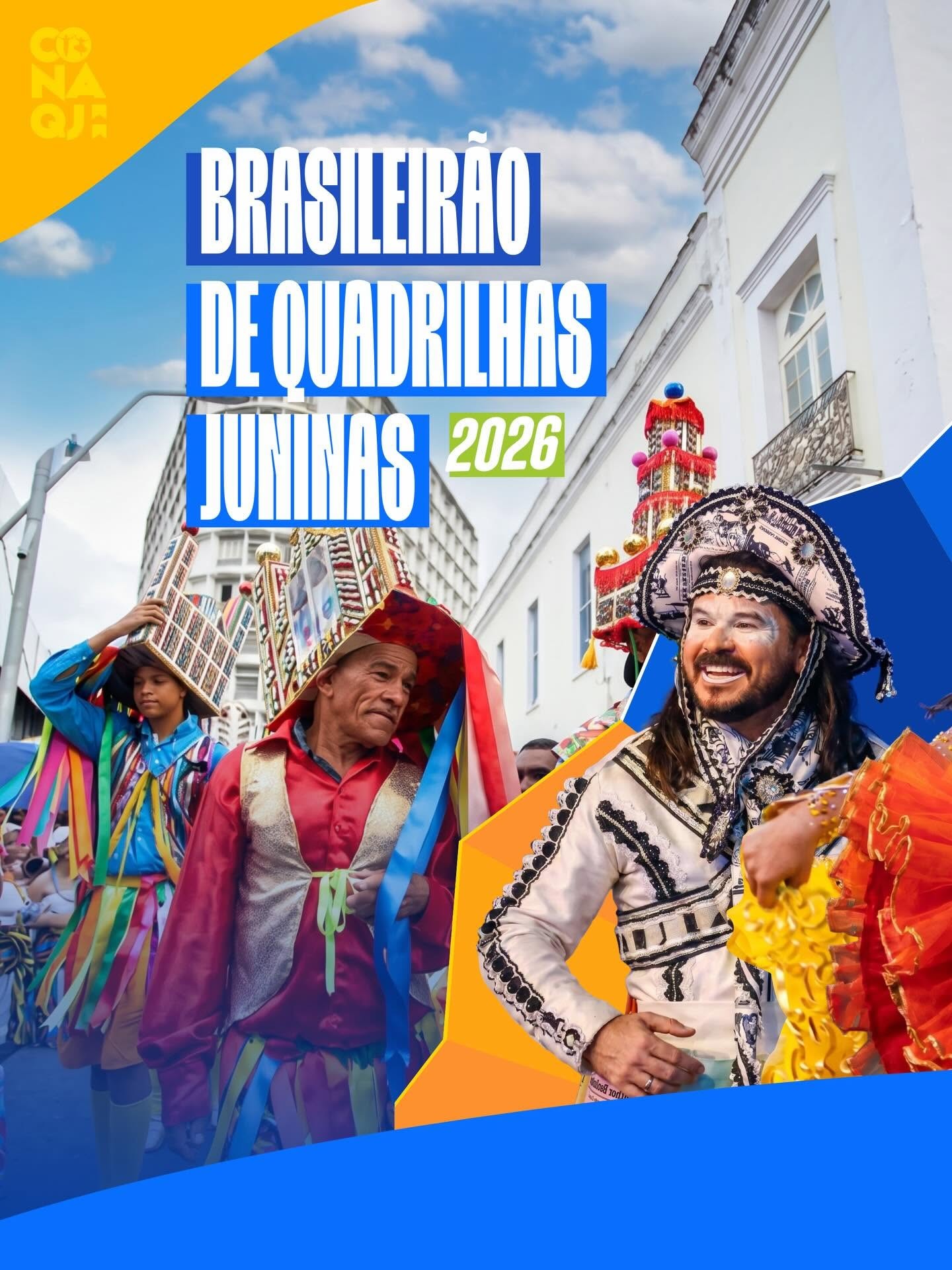
Maceió, Brazil, will host the 11th Brazilian Quadrilha Junina Championship in July 2026, an event described as the largest of its kind in the country. The championship is scheduled to take place from July 23rd to 26th at the José da Silva Nogueira Livestock Park in the Prado neighborhood, with free admission for attendees. A preliminary state selection event on June 24th will determine the representative from Alagoas. The competition will feature groups from all regions of Brazil, with representatives from 25 Brazilian states participating in the contest for the title of best quadrilha junina. The event is organized by the National Confederation of Quadrilha Juninas (CONAQJ). Beyond the competition, the championship aims to foster an exchange of diverse Brazilian popular culture, including traditions, accents, rhythms, costumes, and choreographic styles. The programming begins on Thursday, July 23rd, at 6 PM with a focus on popular culture, featuring folklore presentations and forró music. Friday, July 24th, also starting at 6 PM, will host the Alagoas State Selection, where the top quadrilhas from the state will compete for two national spots. The official opening of the national competition is set for Saturday, July 25th, at 5 PM, with 13 states performing. The final stage will occur on Sunday, July 26th, starting at 4 PM, involving the remaining 12 states, culminating in the crowning of the national champion based on overall scores. An accompanying 'Vila Brasis Junino' will showcase regional culture and economy, featuring typical Northeastern gastronomy, traditional June festival foods, and Alagoan crafts to support local entrepreneurs and artisans.
The upcoming Brazilian Quadrilha Junina Championship in Maceió highlights the cultural and economic significance of traditional festivals. By organizing such a large-scale event, CONAQJ aims to promote cultural exchange and support local economies through initiatives like Vila Brasis Junino. The free admission strategy is likely intended to maximize public engagement and participation, underscoring the event's role in preserving and celebrating Brazilian popular culture. Future iterations of such events could explore digital platforms to broaden reach and engagement, potentially creating new revenue streams through virtual participation or content, while also considering sustainable tourism models to manage the influx of visitors to host cities.
AI-generated to prompt reflection — not editorial opinion, not advice, not a statement of fact. How this works.