Macro Pads: Essential Tools for Enhanced Productivity, Even with Advanced Mice
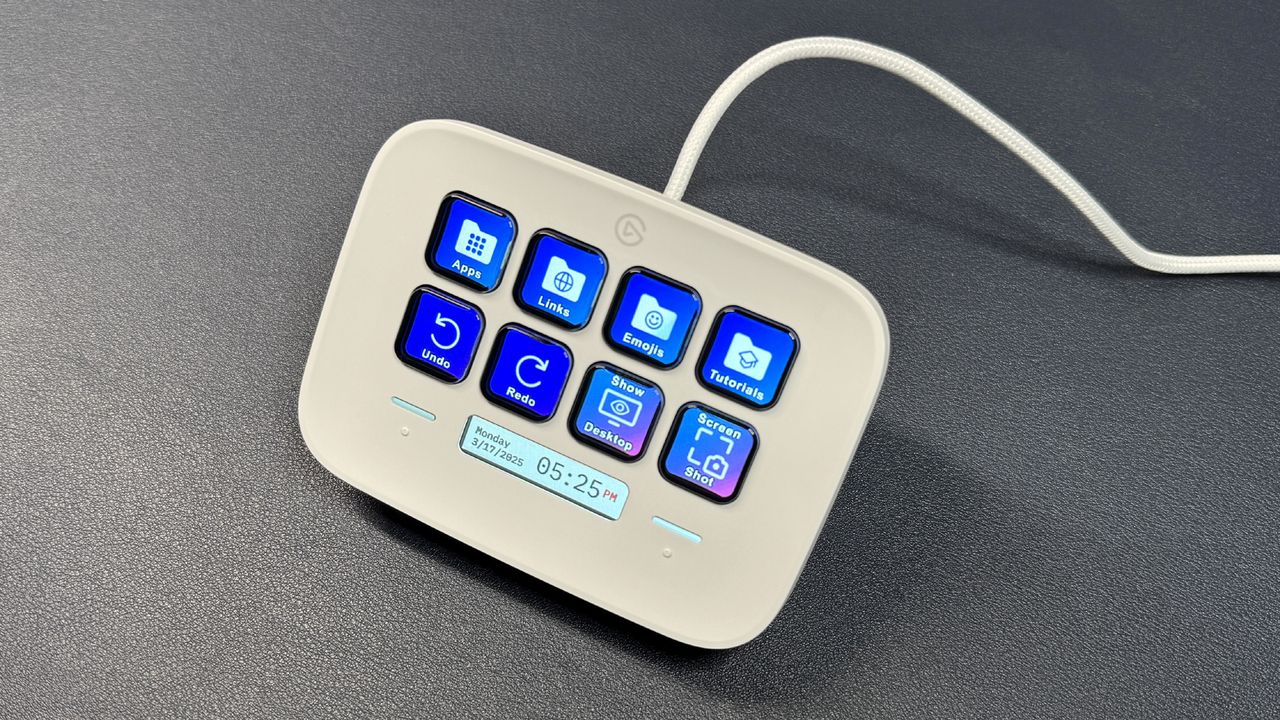
Standalone macro pads offer significant advantages for productivity, even for users who already possess mice with numerous buttons or engage in tasks beyond streaming or extensive data entry. These compact devices provide customizable shortcuts and functions, streamlining workflows for a variety of users. The market offers a wide range of options, from affordable mechanical numpads priced as low as $10 to more sophisticated models designed for advanced window management across multiple screens. Integrating a macro pad can lead to increased efficiency by consolidating frequently used commands and applications into easily accessible buttons. This allows users to perform complex actions with a single press, reducing the need for intricate mouse movements or keyboard combinations. Whether you are a casual user seeking to optimize your daily computer interactions or a professional requiring rapid access to specific tools, a macro pad can be a valuable addition to your setup. The versatility of these devices ensures they can be tailored to individual needs, enhancing both speed and comfort during computer use.
The proliferation of specialized input devices like macro pads reflects a growing demand for personalized and efficient digital workflows. As computing tasks become more complex and screen real estate expands, users are seeking ways to optimize interaction beyond standard keyboard and mouse functions. Macro pads address this by offering a tangible interface for programmable shortcuts, potentially reducing cognitive load and increasing operational speed. This trend highlights a broader shift towards user-centric customization in technology, where hardware is increasingly adapted to individual user needs rather than expecting users to conform to standardized interfaces. The availability of low-cost options suggests a democratization of productivity tools, making advanced workflow enhancements accessible to a wider audience.
AI-generated to prompt reflection — not editorial opinion, not advice, not a statement of fact. How this works.