Madhya Pradesh: B.Ed Colleges Operate on Paper, Cows Graze on Site
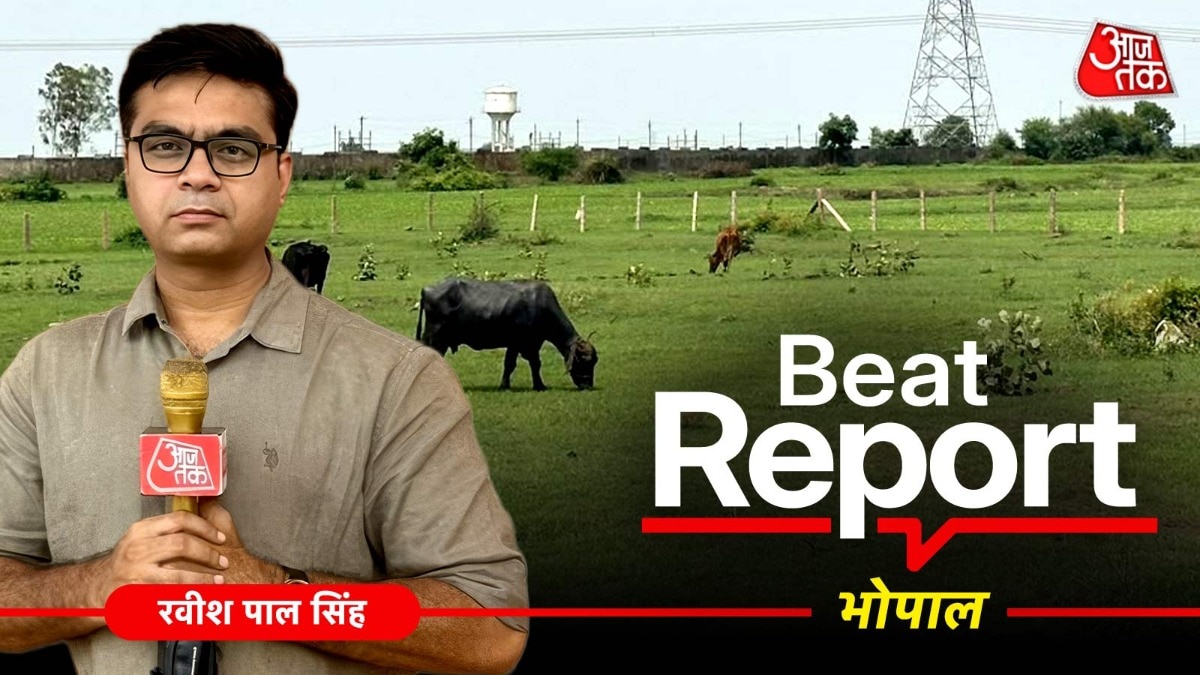
Serious irregularities have been uncovered concerning B.Ed colleges in Bhopal, Madhya Pradesh. An investigation revealed that some colleges listed at specific addresses were not found there; instead, investigators discovered fields or long-abandoned buildings. Despite these findings, questions are being raised about the conditional affiliation granted to 125 private B.Ed colleges based on notarized affidavits. This situation highlights a significant disconnect between the documented existence of these educational institutions and their physical reality on the ground. The reliance on affidavits without thorough on-site verification appears to be a critical flaw in the affiliation process. The implications of operating colleges on paper, while actual sites are derelict or non-existent, raise concerns about the quality of education and the legitimacy of the degrees awarded. Further scrutiny is needed to understand how these institutions were approved and what measures will be taken to rectify the situation and prevent future occurrences.
The reported situation in Madhya Pradesh suggests a potential systemic failure in the oversight and accreditation process for private B.Ed colleges. The reliance on notarized affidavits for affiliation, without robust on-site verification, creates an environment ripe for fraudulent operations. This practice not only undermines the integrity of teacher education but also raises questions about accountability within the regulatory bodies. In an era increasingly focused on educational quality and professional standards, such administrative loopholes can have long-term consequences for the teaching profession and the students who are ultimately served. Future policy should prioritize transparent, technology-enabled verification mechanisms to ensure that educational institutions meet tangible operational and quality benchmarks, thereby safeguarding public trust and academic rigor.
AI-generated to prompt reflection — not editorial opinion, not advice, not a statement of fact. How this works.