Madhya Pradesh Waqf Board Appoints Two Non-Muslim Members, Sparking Muslim Objections
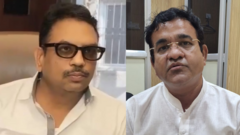
Madhya Pradesh has become the first state in India to appoint two non-Muslim members to its Waqf Board. The appointments have drawn strong objections from the Muslim community in Bhopal. The Waqf Board is responsible for managing Muslim religious properties and endowments in the state. The inclusion of non-Muslim members in a religious board managing the affairs of a specific minority community has raised concerns among some segments of the Muslim population. Protests and objections have been voiced in Bhopal against these appointments. This development marks a significant shift in the composition of the Waqf Board in Madhya Pradesh.
The appointment of non-Muslim members to the Madhya Pradesh Waqf Board introduces a novel governance dynamic for a religious trust managing minority community assets. This move may be intended to foster broader representation or ensure secular oversight, aligning with constitutional principles of inclusivity. However, it also presents a potential tension between secular governance frameworks and the specific religious and cultural mandates of a Waqf Board. The resulting objections highlight differing perspectives on the appropriate balance between inclusivity and the preservation of community-specific religious administration. Future considerations may involve clarifying the roles and responsibilities of all board members to ensure effective and culturally sensitive management of Waqf properties, while navigating diverse stakeholder expectations.
AI-generated to prompt reflection — not editorial opinion, not advice, not a statement of fact. How this works.