Madrid Firefighters Battle Dangerous Fifth-Generation Blaze
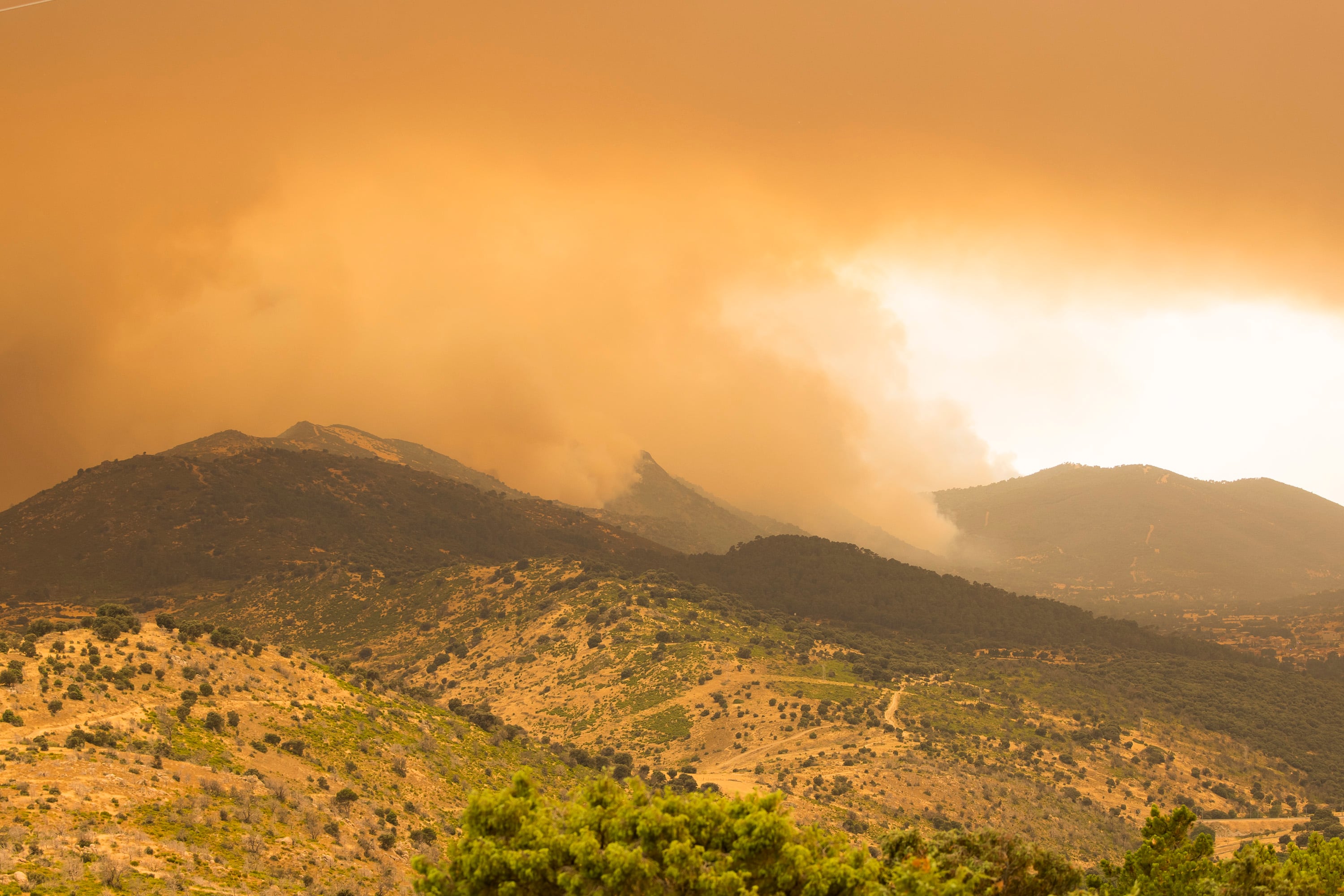
Firefighters in Madrid are engaged in an arduous battle against a dangerous, fifth-generation wildfire. The intensity of the blaze is described as extremely challenging by a union representative for the firefighters, who stated, "We are giving our all because what is happening is very tough." The term 'fifth-generation fire' suggests a highly complex and unpredictable fire behavior, potentially influenced by factors like extreme weather conditions and fuel types. The mention of the '30-30-30 rule' typically refers to conditions conducive to extreme fire behavior: temperatures above 30°C (86°F), humidity below 30%, and wind speeds exceeding 30 mph (48 km/h). These conditions create a high-risk environment for rapid fire spread and make suppression efforts significantly more difficult. The situation underscores the severe threat posed by increasingly volatile wildfires, demanding immense effort and resources from emergency services.
The description of the Madrid fire as 'fifth-generation' and linked to the '30-30-30 rule' highlights the escalating challenge of extreme wildfires. This terminology suggests a shift towards fires exhibiting behavior previously considered rare, driven by climate change and land management practices. The immense effort by firefighters indicates the severe resource strain such events impose. Future wildfire management strategies will likely need to integrate advanced forecasting, proactive fuel management, and potentially new suppression technologies to cope with the increasing frequency and intensity of these 'fifth-generation' blazes, moving beyond traditional response paradigms.
AI-generated to prompt reflection — not editorial opinion, not advice, not a statement of fact. How this works.