Madrid Metro Line 11 Route Change Sparks Opposition from Northern Neighborhoods
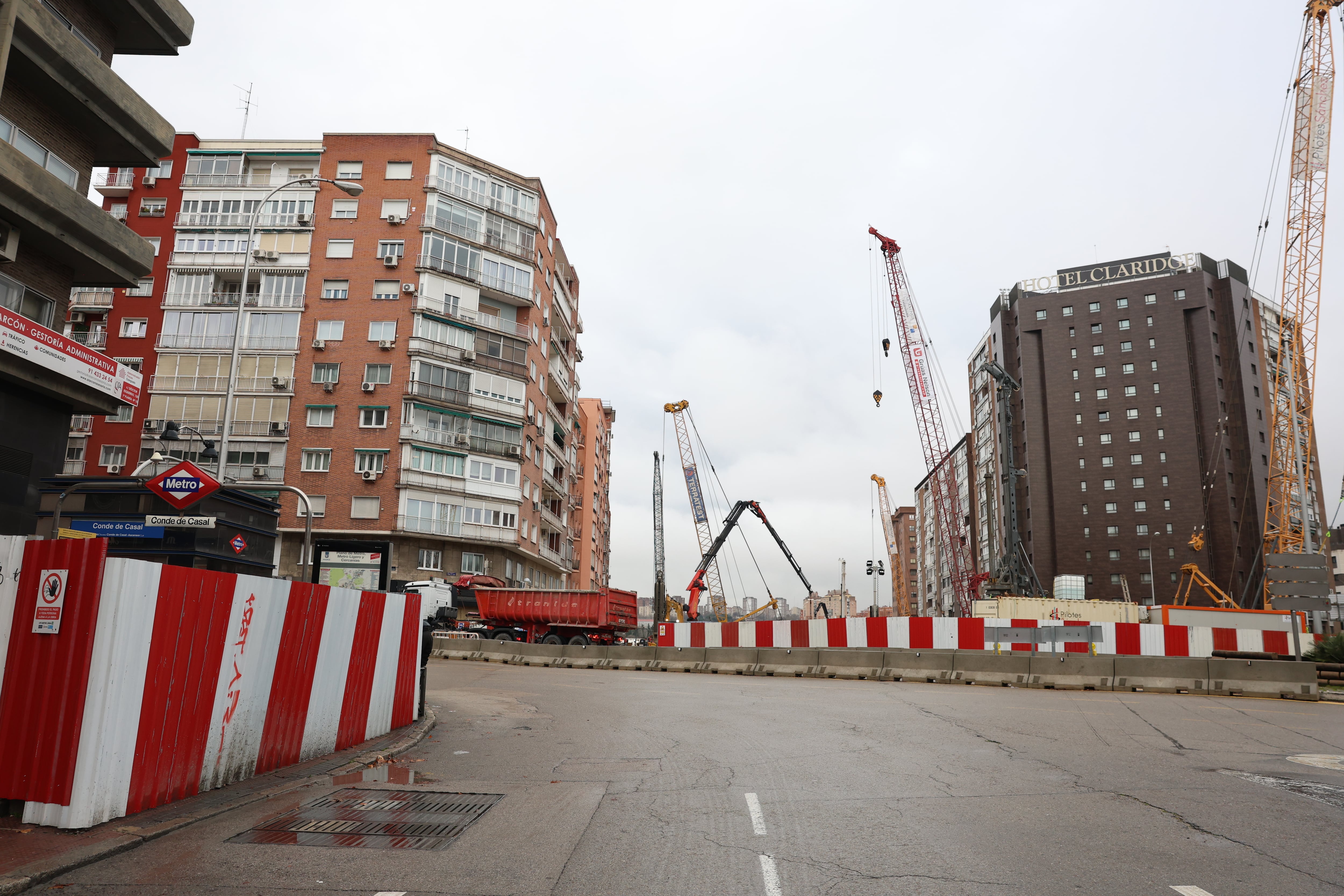
The regional government of Madrid has proposed a significant alteration to the planned route of Metro Line 11, presenting it as a new "backbone" for the suburban rail network. This proposed expansion aims to connect key areas and improve transit accessibility. However, the modification has met with strong resistance from residents and specialists in the northern districts of Madrid. Critics argue that the revised plan deviates from the original objectives of the project, which were intended to serve specific community needs and development goals. They contend that the new direction fails to adequately address the transit requirements of these northern neighborhoods. The government's announcement has ignited a debate over the future development of Madrid's public transportation system and the balance between large-scale infrastructure projects and local community interests. The controversy highlights the challenges in urban planning when significant infrastructure changes impact established communities and their access to essential services.
The regional government's decision to alter the planned route of Metro Line 11 represents a potential shift in urban development priorities, moving from a community-focused original objective to a broader regional connectivity vision. While such large-scale infrastructure projects are often framed as essential for economic growth and improved mobility, the opposition from northern Madrid neighborhoods underscores a common tension between centralized planning and localized needs. The government's framing of the line as a new "backbone" suggests an emphasis on network efficiency and potentially serving new development areas, which may not align with the immediate transit requirements of existing communities. This situation prompts consideration of governance models that ensure greater public participation and impact assessment for infrastructure projects, particularly when they affect established residential areas. The long-term success of such projects often hinges on their ability to integrate seamlessly with existing urban fabric and serve the diverse needs of all residents, rather than solely focusing on abstract connectivity or future growth potential.
AI-generated to prompt reflection — not editorial opinion, not advice, not a statement of fact. How this works.