Madrid Neighborhood Faces Transformation as Residential Buildings Become Tourist Flats
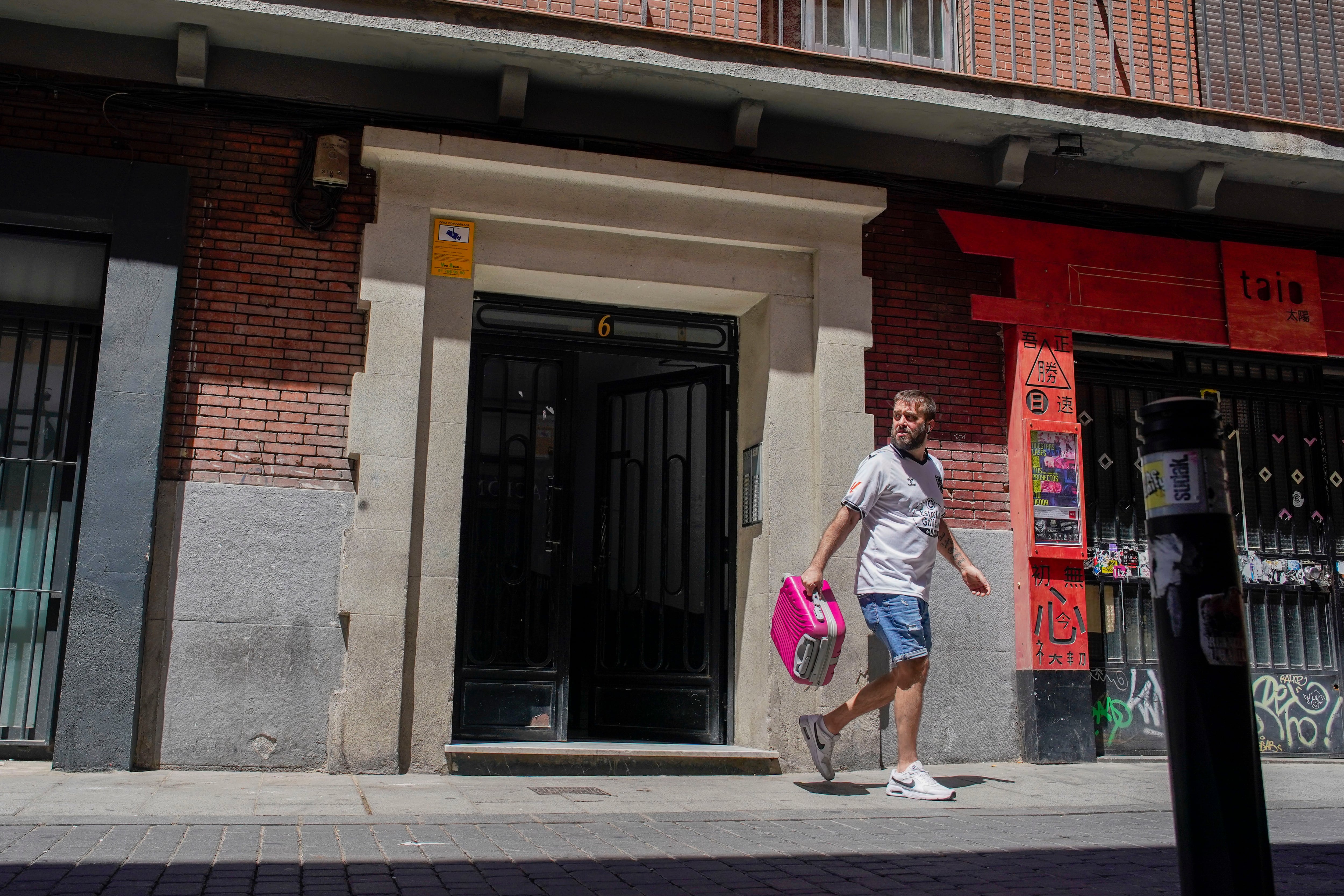
A neighborhood in Madrid is undergoing a significant transformation as residential buildings are increasingly being converted into tourist accommodations. This shift is leading to a decline in the traditional resident population, with one street, Santa Ana, seeing its character change as residents like 'Paquita' depart. The phenomenon is driven by large property owners transitioning into entities resembling investment funds, which are actively repurposing residential spaces. This change is draining the communal life from many central Madrid streets, paving the way for the unchecked expansion of tourist apartments in these areas. The article highlights how this process, occurring 'portal by portal,' is fundamentally altering the fabric of these urban neighborhoods.
The conversion of long-term residential properties into short-term tourist rentals in central Madrid reflects a broader global trend driven by economic incentives. Property owners are responding to the potentially higher yields offered by the tourism market, leading to a reallocation of urban housing stock. This dynamic creates a tension between the economic benefits of tourism and the social cost of diminished local community life and potentially increased housing costs for permanent residents. Future urban planning and regulatory frameworks will need to balance these competing interests to ensure sustainable and inclusive city development, considering the long-term impact on neighborhood character and social cohesion in the face of evolving economic pressures.
AI-generated to prompt reflection — not editorial opinion, not advice, not a statement of fact. How this works.