Madrid Outskirts Town Set for Massive Growth, Mimicking Past Property Booms
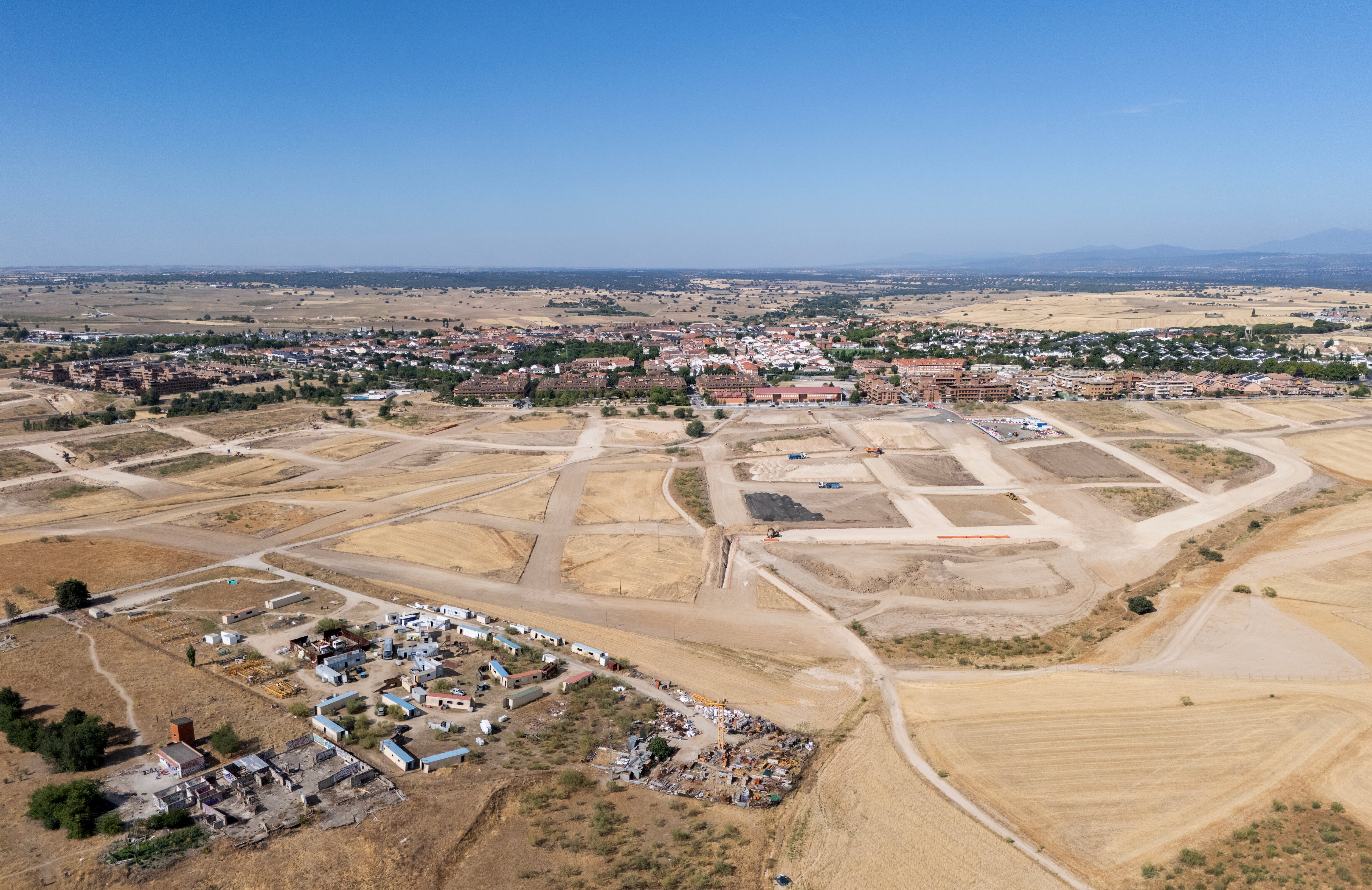
The town of Brunete, located outside Madrid, Spain, is preparing for an unprecedented population surge, aiming to expand from 11,000 to 63,000 residents. This dramatic growth is driven by an influx of people being pushed out of the capital city, Madrid. The ambitious expansion plans are drawing parallels to the "brick fever" property booms experienced in Spain's past. These developments suggest a significant shift in regional demographics as the metropolitan area of Madrid, potentially envisioned as a "Madrid DF" (Distrito Federal), expands its reach. The municipality's strategy involves accommodating a substantial number of new inhabitants, reflecting a broader trend of urban sprawl and suburbanization in response to housing pressures within the core city. The scale of the planned transformation in Brunete highlights the challenges and opportunities associated with rapid population growth in surrounding areas.
The planned expansion of Brunete from 11,000 to 63,000 residents signifies a significant demographic shift, driven by housing affordability pressures in Madrid. This growth pattern mirrors historical urban development cycles, where peripheral towns absorb population overflow from major cities. Such rapid expansion necessitates robust infrastructure planning, including transportation, utilities, and public services, to ensure sustainable development and avoid the pitfalls of previous property booms. The long-term success will depend on effective governance that balances economic development with quality of life for both new and existing residents, while also considering environmental impacts and the preservation of local character in the face of intense development.
AI-generated to prompt reflection — not editorial opinion, not advice, not a statement of fact. How this works.