Madrid Public Hospitals Halt Overtime Amid Staffing Concerns
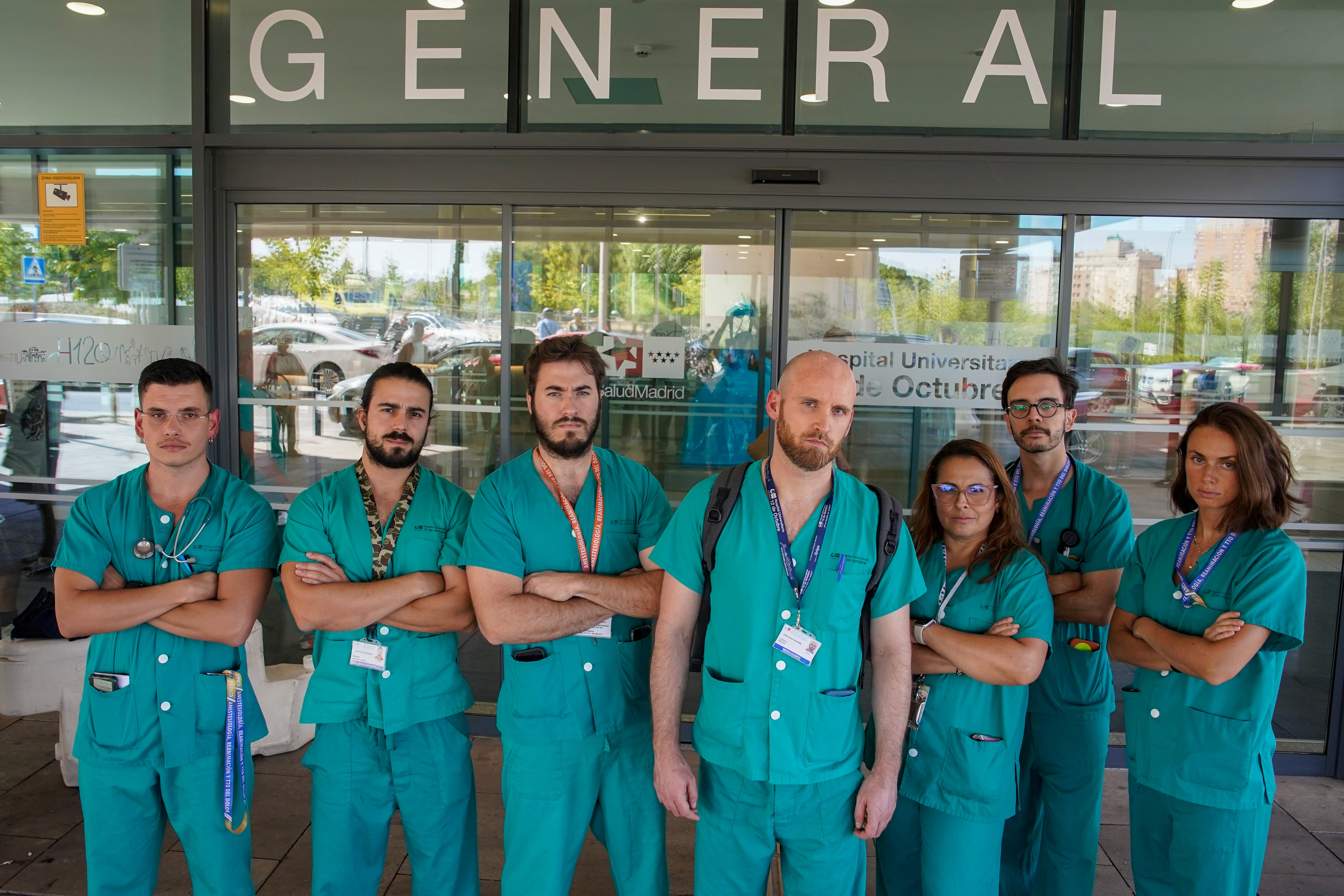
Seventeen public hospitals in Madrid have stopped offering overtime work for doctors, a measure that has been in place for two months. This decision is expected to lead to a difficult summer for healthcare services and a significant increase in patient waiting lists by September and October. The halt in overtime is a response to ongoing concerns about staffing levels and the sustainability of current working conditions within the public health system. Doctors anticipate that the reduction in available working hours will strain resources further, impacting patient care and potentially exacerbating existing backlogs. The situation highlights the challenges faced by Madrid's public healthcare system in maintaining adequate staffing to meet patient demand, especially during peak demand periods. The coming months will likely test the resilience of these hospitals as they navigate the consequences of this operational change. The full impact on patient wait times and the overall quality of care remains to be seen, but the outlook is one of considerable concern among medical professionals.
The cessation of overtime in Madrid's public hospitals, implemented over a two-month period, signals a critical juncture in the region's healthcare workforce management. This measure, driven by underlying staffing pressures, is poised to intensify patient waiting times, particularly in the autumn months. The situation underscores a systemic challenge: balancing operational demands with the finite capacity and well-being of medical professionals. As healthcare systems globally grapple with similar issues, Madrid's experience offers a case study in the direct consequences of workforce constraints on service delivery. Future strategies may need to explore innovative staffing models, enhanced recruitment and retention initiatives, or a re-evaluation of service scope to ensure both patient access and provider sustainability in the long term, particularly as demographic shifts and technological advancements reshape healthcare needs.
AI-generated to prompt reflection — not editorial opinion, not advice, not a statement of fact. How this works.