Maersk and Hapag-Lloyd Resume Suez Canal Transit Amid Rising Shipping Costs
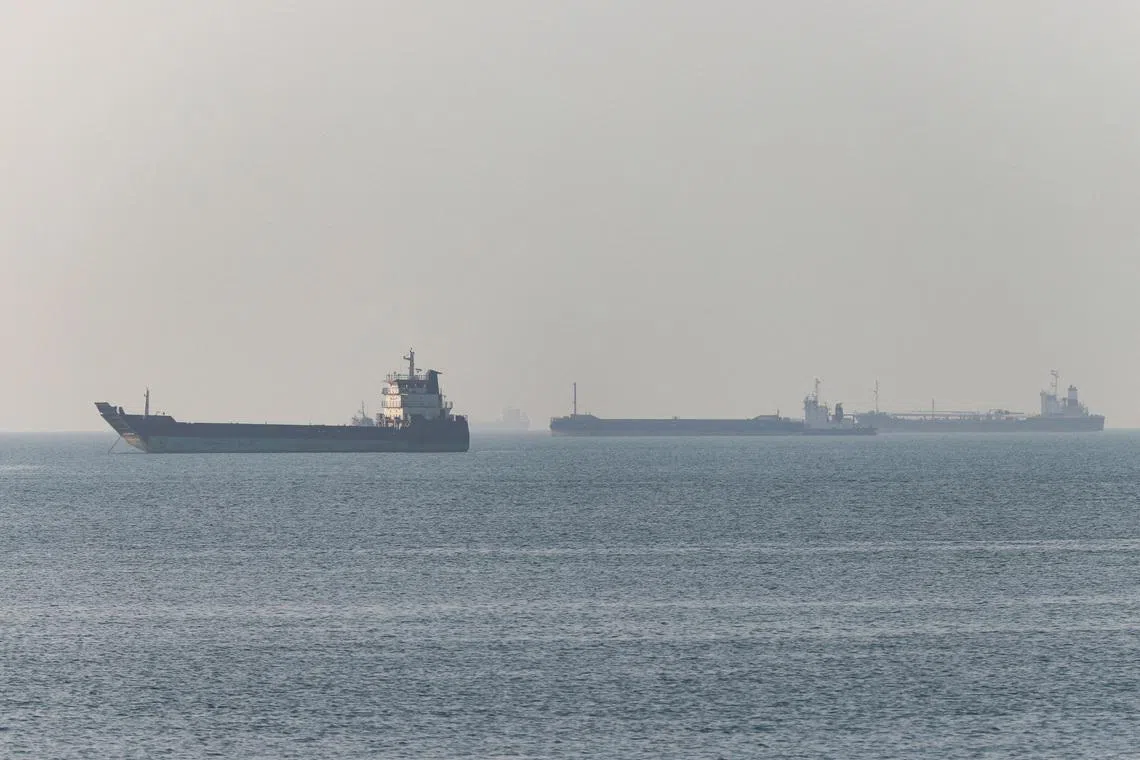
Major shipping companies Maersk and Hapag-Lloyd have announced their return to using the Suez Canal trade route. This decision comes after a period of rerouting vessels around the Cape of Good Hope to avoid security risks in the Red Sea. The extended journeys around Africa significantly increased shipping rates, leading to higher costs for freight. The resumption of Suez Canal transits is expected to help stabilize and potentially lower these elevated shipping expenses. This move signals a shift in risk assessment and operational strategy for global logistics providers. The Suez Canal is a critical chokepoint for international trade, and its accessibility directly impacts global supply chains and consumer prices. The companies' return suggests an improved security outlook or a calculated acceptance of residual risks.
The decision by Maersk and Hapag-Lloyd to re-engage with the Suez Canal route reflects a complex interplay of geopolitical risk assessment and economic pressures. While the extended voyages around Africa incurred substantial cost increases, potentially impacting global supply chain efficiency and consumer prices, the return to the more direct Suez route suggests a recalibration of perceived security threats or a strategic prioritization of cost reduction. This situation highlights the inherent tension between maintaining global trade flow and ensuring the safety of assets and personnel. Future logistical strategies may need to incorporate more dynamic risk-management frameworks that can adapt swiftly to evolving geopolitical landscapes, balancing cost-effectiveness with security imperatives.
AI-generated to prompt reflection — not editorial opinion, not advice, not a statement of fact. How this works.