Mafalda's Enduring Message Against Hunger
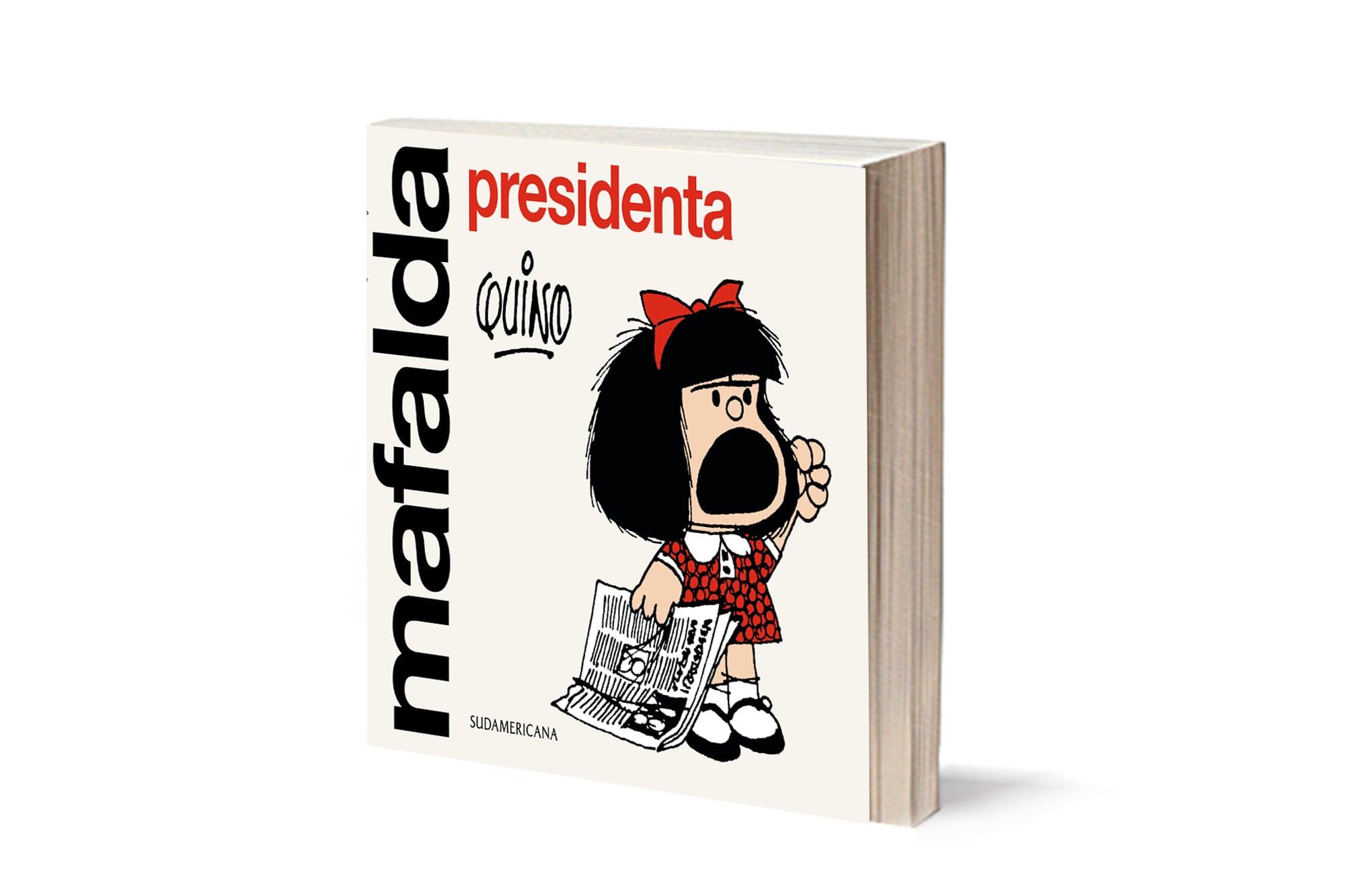
Over five decades ago, the beloved character Mafalda, created by Argentine cartoonist Quino, already addressed one of humanity's persistent challenges with her characteristic irony. The comic strip, which debuted in 1964, featured Mafalda expressing concerns about hunger, a problem that continues to plague the world today. Quino's creation offered a sharp critique of societal issues through the innocent yet insightful perspective of a child. Mafalda's dialogues often highlighted the inequalities and injustices present in the world, including the stark contrast between abundance and scarcity. Her questions and observations served as a mirror to the adult world, prompting reflection on complex problems. The enduring relevance of Mafalda's commentary underscores the lack of progress in eradicating global hunger. Quino's legacy continues to inspire conversations about social responsibility and the need for systemic solutions to address such fundamental issues. The character's enduring appeal lies in her ability to articulate profound truths in a simple, accessible manner, making her a timeless voice against suffering.
The enduring relevance of Mafalda's critique of hunger, originating over fifty years ago, highlights a persistent systemic failure in global resource allocation and social equity. Quino's satirical approach, using a child's perspective, effectively bypasses adult rationalizations to expose the moral and practical contradictions of widespread food insecurity amidst plenty. This enduring issue suggests that current governance and economic models may be insufficient to ensure basic human needs are met universally. Future solutions will likely require innovative approaches to supply chain management, equitable distribution policies, and a deeper examination of the political and economic incentives that perpetuate such disparities, particularly in the context of evolving global challenges.
AI-generated to prompt reflection — not editorial opinion, not advice, not a statement of fact. How this works.