Magdeburg Ranks Well in Public Transport Accessibility Compared to Other Cities
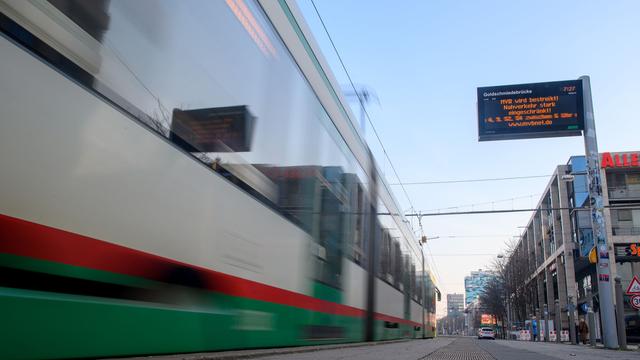
Magdeburg has achieved a positive ranking in a comparison of public transport accessibility. The city's efforts in making its local transport network barrier-free have been recognized as effective. This evaluation likely considered various aspects of accessibility, such as the availability of ramps, elevators, audible announcements, and tactile guidance systems for passengers with disabilities. The positive assessment suggests that Magdeburg has made significant progress in ensuring that its public transportation is usable by a wider range of people, including those with mobility impairments, visual impairments, or hearing impairments. Such improvements are crucial for fostering social inclusion and enabling independent travel for all citizens. The comparison likely involved other German cities, highlighting Magdeburg's strengths in this area. Further details on the specific criteria used in the comparison and Magdeburg's exact score are not provided in this summary.
Magdeburg's strong performance in public transport accessibility highlights the growing importance of inclusive urban planning. As cities worldwide grapple with aging populations and the need for sustainable mobility, prioritizing barrier-free infrastructure becomes a strategic imperative. This trend is amplified by advancements in assistive technologies and evolving legal frameworks that mandate greater accessibility. While Magdeburg's success is commendable, it also underscores a broader challenge: ensuring equitable access across all municipalities, not just those that perform well in comparative studies. Future urban development must integrate accessibility from the outset, considering the long-term economic and social benefits of a truly inclusive transport system, rather than treating it as an add-on.
AI-generated to prompt reflection — not editorial opinion, not advice, not a statement of fact. How this works.