Magellanic Penguins Visit Angra dos Reis and Paraty Beaches During Annual Migration
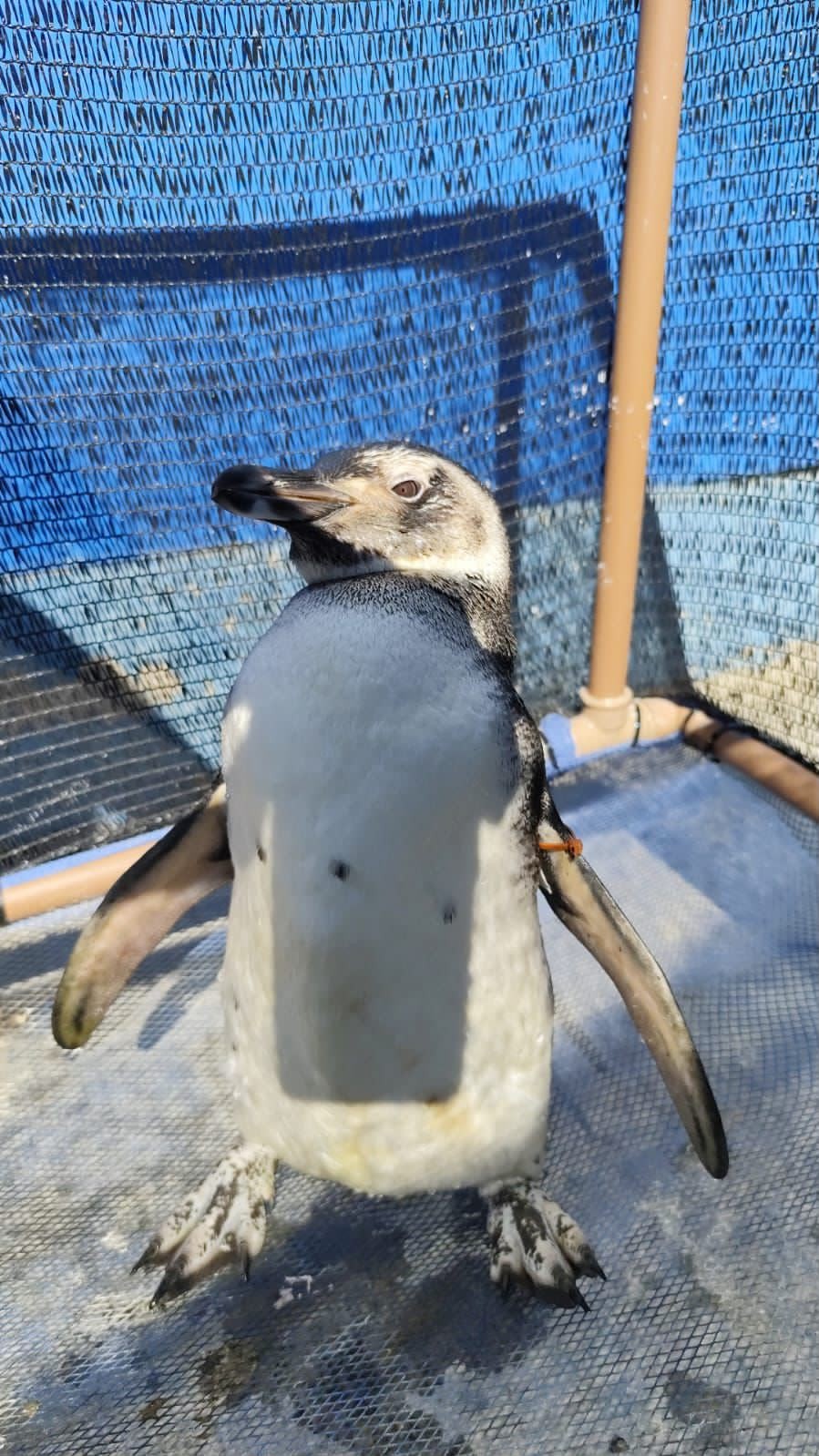
The Costa Verde region of Rio de Janeiro has seen an influx of Magellanic penguins (Spheniscus magellanicus) along its shores over the past two months. The Santos Basin Beach Monitoring Project (PMP-BS) recorded 46 instances of these penguins in Angra dos Reis and Paraty. This presence is part of the species' annual migratory cycle, beginning in May when penguins leave Patagonia in Argentina and Chile. They travel up the Brazilian coast until September, seeking warmer waters and food during the harsh winter in South America's southern tip. In Angra dos Reis, 38 penguins were found since early June, with 13 alive and 25 deceased. Paraty recorded eight occurrences, six live and two dead. Many penguins arrive weakened, dehydrated, and exhausted after their thousands-of-kilometer journey. Factors contributing to their poor condition include the natural toll of migration, ocean currents, and human activities like improper waste disposal at sea. Young penguins on their first migration are particularly vulnerable, often depleting their energy reserves before completing the journey, leaving them susceptible to cold and predators. The PMP-BS urges the public to report any penguin sightings to their hotline at 0800-999-5151 for rescue and rehabilitation. Until experts arrive, individuals should avoid touching, cooling, feeding, or returning the penguins to the sea. Instead, maintain a safe distance, note the location, take a photo, move the animal to a safe, shaded spot, and contact the PMP-BS.
The annual migration of Magellanic penguins to Brazilian shores highlights the interconnectedness of ecosystems across vast distances and the impact of environmental conditions. The observed debilitation of penguins underscores the challenges they face, including natural migratory stresses, climate-driven shifts in food availability, and anthropogenic pressures such as marine pollution. This phenomenon serves as a biological indicator, reflecting the health of marine environments and the effectiveness of conservation efforts in both their breeding grounds and migratory routes. Future challenges will likely involve adapting conservation strategies to account for changing oceanographic conditions and increasing human activity along coastlines, necessitating a coordinated, international approach to protect migratory species.
AI-generated to prompt reflection — not editorial opinion, not advice, not a statement of fact. How this works.
