Maglev Train Development: 64 Years Later, Vehicles Ready, Will Shizuoka Construction Pave Way for Opening?
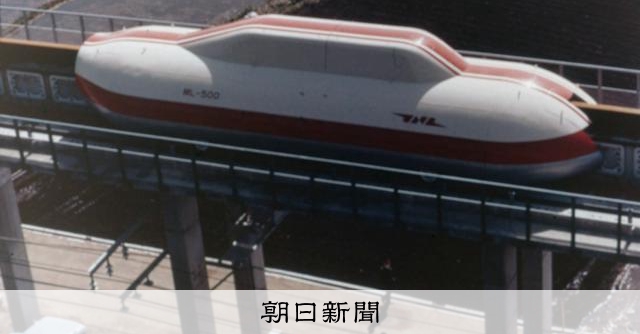
The development of the Chuo Shinkansen maglev train line has spanned 64 years, with the train technology now considered to be at a practical level. The project's progress hinges on the commencement of construction in Shizuoka Prefecture, a key bottleneck that has delayed the overall timeline. If construction in Shizuoka can begin, it raises the question of whether the opening of the line will draw nearer. The maglev project represents a significant technological undertaking, aiming to revolutionize high-speed rail travel in Japan. However, environmental concerns and land use issues, particularly in Shizuoka, have presented substantial challenges. The successful resolution of these issues is critical for the project's advancement. The current state of development suggests that the rolling stock is ready for operational use, but the infrastructure, especially the tunnel sections through the Southern Alps, remains incomplete. The government and the Central Japan Railway Company (JR Central) are keen to see the project move forward. The potential opening date remains uncertain, contingent upon overcoming the Shizuoka hurdle. This long-standing development highlights the complexities of large-scale infrastructure projects.
The 64-year trajectory of the maglev project underscores the protracted timelines inherent in developing advanced infrastructure, particularly when environmental and regional concerns intersect with national transportation goals. While vehicle technology may be mature, the critical path for this project, as with many large-scale endeavors, lies in navigating regulatory, environmental, and land-use approvals. The Shizuoka construction hurdle exemplifies how localized opposition or ecological considerations can stall national ambitions, highlighting a systemic tension between centralized development planning and decentralized stakeholder consent. Looking ahead, the success of such projects will increasingly depend on integrating advanced environmental modeling and transparent, collaborative planning processes from inception to mitigate future delays and ensure equitable development outcomes.
AI-generated to prompt reflection — not editorial opinion, not advice, not a statement of fact. How this works.