Magnitude 7.1 Earthquake Strikes Southern Japan, Causing Collapses and Casualties
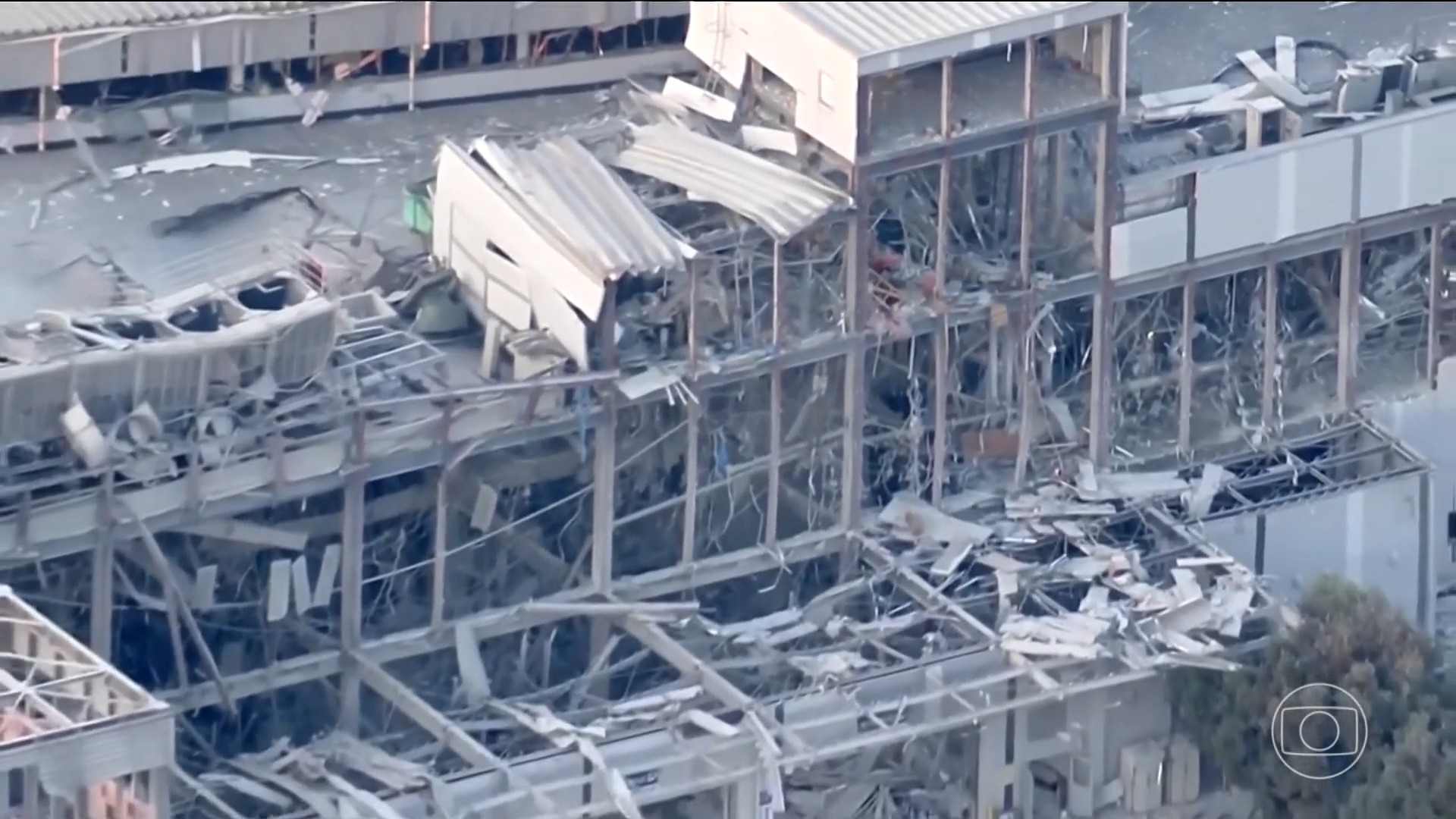
A powerful magnitude 7.1 earthquake struck southern Japan on Tuesday afternoon, causing significant damage and casualties. The tremor, which occurred at 4:27 PM with its epicenter inland on Kyushu island, resulted in the collapse of a shopping center, leading to two confirmed deaths and ten people still missing. The earthquake's force was vividly captured in videos showing supermarket shelves, parking lots, and traffic signals swaying violently. This main shock was followed by at least 60 aftershocks and was felt across several regions, including Fukuoka, Kagoshima, Saga, and even reaching South Korea. Aerial footage revealed a smoke plume shortly after the quake, prompting firefighters to respond to numerous blazes across the affected area. Approximately 300,000 residents were forced to evacuate their homes. Prime Minister Sanae Takaichi warned of increasing collapse risks and urged citizens to seek safe locations. The shopping center collapse involved an explosion on the second floor, causing walls to fall and crush the first floor, trapping many while others were evacuated to a temple. Injured individuals received treatment at a local hospital. The earthquake also disrupted transportation networks, with a high-speed train issuing an emergency alert and stopping, while another derailed. Bridges collapsed, and transport services were halted island-wide. The airport serving the regional capital was closed, and historical sites, including Kumamoto Castle, suffered damage, with a retaining wall collapsing and a temple losing its roof. Concerns were raised due to the proximity of the earthquake's epicenter to the Sendai nuclear power plant. The International Atomic Energy Agency reported the facility is secure but emphasized the need for continued monitoring due to the potential for further tremors.
This seismic event underscores the persistent vulnerability of densely populated areas to natural disasters, even in technologically advanced nations like Japan, which maintains robust building codes and disaster preparedness protocols. The incident highlights the critical importance of ongoing infrastructure resilience assessments, particularly for multi-story commercial buildings and transportation networks, in the face of increasing seismic activity. The proximity to nuclear facilities also necessitates continuous vigilance and transparent communication regarding safety measures and monitoring, especially as climate change may influence geological stability. Future urban planning and emergency response strategies will likely need to integrate advanced predictive modeling and real-time data analytics to mitigate the cascading effects of such events, minimizing both human and economic costs in the coming decade.
AI-generated to prompt reflection — not editorial opinion, not advice, not a statement of fact. How this works.