Mahatma Gandhi's 21-Day Fast at 73; British Prepared for His Funeral
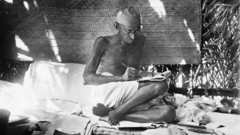
Mahatma Gandhi, who returned to India from South Africa in 1915, undertook numerous fasts throughout his life. By the time of his assassination on January 30, 1948, he had completed approximately 30 fasting periods. One notable instance was a 21-day fast undertaken when he was 73 years old. During this significant period of self-deprivation, the British authorities had already made preparations for his funeral, anticipating the worst. This event underscores the profound impact Gandhi's actions had, not only on the Indian independence movement but also on the colonial administration's perception of his influence and the potential consequences of his health.
Mahatma Gandhi's use of fasting as a political tool, particularly the 21-day fast at age 73, highlights a powerful, non-violent strategy to influence both public opinion and colonial governance. The British preparations for his funeral during this period reveal the immense pressure and uncertainty Gandhi's actions generated within the administration. This historical event serves as a case study in the efficacy of moral suasion and civil disobedience in challenging established power structures. Looking ahead, such tactics, while deeply rooted in historical context, prompt reflection on the evolving landscape of protest and negotiation in the 21st century, where digital communication and global interconnectedness offer new avenues for both mobilization and control.
AI-generated to prompt reflection — not editorial opinion, not advice, not a statement of fact. How this works.