Mahatma Gandhi's 21-Day Fast at 73: British Prepared for His Funeral
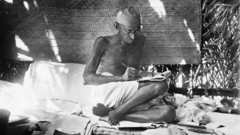
Mahatma Gandhi undertook a 21-day fast at the age of 73, a period during which British authorities reportedly made preparations for his funeral. Gandhi returned to India from South Africa in 1915. From his return until his assassination on January 30, 1948, he embarked on approximately 30 fasting campaigns. These fasts were significant events in his life and played a role in his political and social activism in India. The mention of funeral preparations highlights the perceived severity of his fasts and the potential impact on his life. Gandhi's fasting was a non-violent method he employed to achieve political and social change.
Mahatma Gandhi's use of fasting as a political tool, exemplified by his 21-day fast at age 73, demonstrates a powerful form of civil disobedience. This tactic, while non-violent, carried significant personal risk and placed immense pressure on the authorities. The reported British preparations for his funeral underscore the profound uncertainty and potential consequences associated with such extreme measures. Gandhi's extensive history of fasting, undertaking around 30 such campaigns, indicates a consistent strategy to leverage moral authority and public sentiment for his objectives. In the context of future governance and activism, such methods raise questions about the sustainability and ethical boundaries of extreme personal sacrifice as a means of political influence, particularly in the face of potential systemic indifference or calculated responses.
AI-generated to prompt reflection — not editorial opinion, not advice, not a statement of fact. How this works.