Mahatma Gandhi's 21-Day Fast at 73: British Prepared for His Funeral
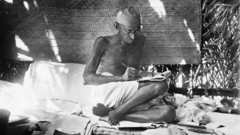
Mahatma Gandhi, who returned to India from South Africa in 1915, undertook approximately 30 fasts until his assassination on January 30, 1948. One notable instance was a 21-day fast undertaken when he was 73 years old. During this significant period of fasting, the British authorities had already made preparations for his funeral, anticipating the worst. This underscores the immense impact and the critical health risks associated with Gandhi's non-violent resistance methods. His fasts were often undertaken to achieve specific political or social objectives, frequently involving appeals for peace and reconciliation during times of communal tension. The British readiness for his funeral highlights the precariousness of his health and the high stakes involved in his protests.
Mahatma Gandhi's use of prolonged fasting as a political tool, particularly the 21-day fast at age 73, demonstrates a profound moral leverage strategy. The British preparation for his funeral indicates the perceived existential threat his actions posed to colonial authority and the potential for widespread unrest. This method, while powerful in its moral appeal, carried significant personal risk, highlighting a tension between individual sacrifice and strategic political impact. The event prompts reflection on the efficacy and ethics of such extreme personal sacrifice in political movements, especially in the context of state power and potential consequences.
AI-generated to prompt reflection — not editorial opinion, not advice, not a statement of fact. How this works.