Mahatma Gandhi's 21-Day Fast at 73: British Prepared for His Funeral
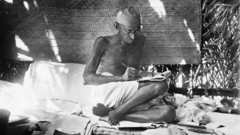
Mahatma Gandhi, who returned to India from South Africa in 1915, undertook approximately 30 fasts until his assassination on January 30, 1948. One notable fast occurred when he was 73 years old, lasting for 21 days. During this particular fast, the British authorities had already made preparations for his funeral, indicating the gravity of the situation and the concern surrounding his health. Gandhi's fasts were a significant form of non-violent protest and civil disobedience throughout his activism in India. His commitment to these methods often put his life at risk, as seen in the preparations made by the British during his extended fast.
Mahatma Gandhi's use of extended fasts as a political tool highlights a profound moral leverage strategy against colonial powers. The British preparation for his funeral during his 21-day fast at age 73 underscores the existential stakes involved and the potential for widespread social upheaval that Gandhi's death could have triggered. This tactic, while effective in drawing attention and forcing concessions, also placed immense pressure on his own physical well-being and the stability of the movement. The event prompts reflection on the long-term sustainability of such high-stakes, individual-sacrifice-based activism within broader political and social movements, especially when facing technologically or militarily superior adversaries. It also raises questions about the ethical considerations for governing bodies when faced with leaders employing self-harm as a protest method.
AI-generated to prompt reflection — not editorial opinion, not advice, not a statement of fact. How this works.