Mahbub Ul Haq: Pioneer of Human Development and Architect of the HDI
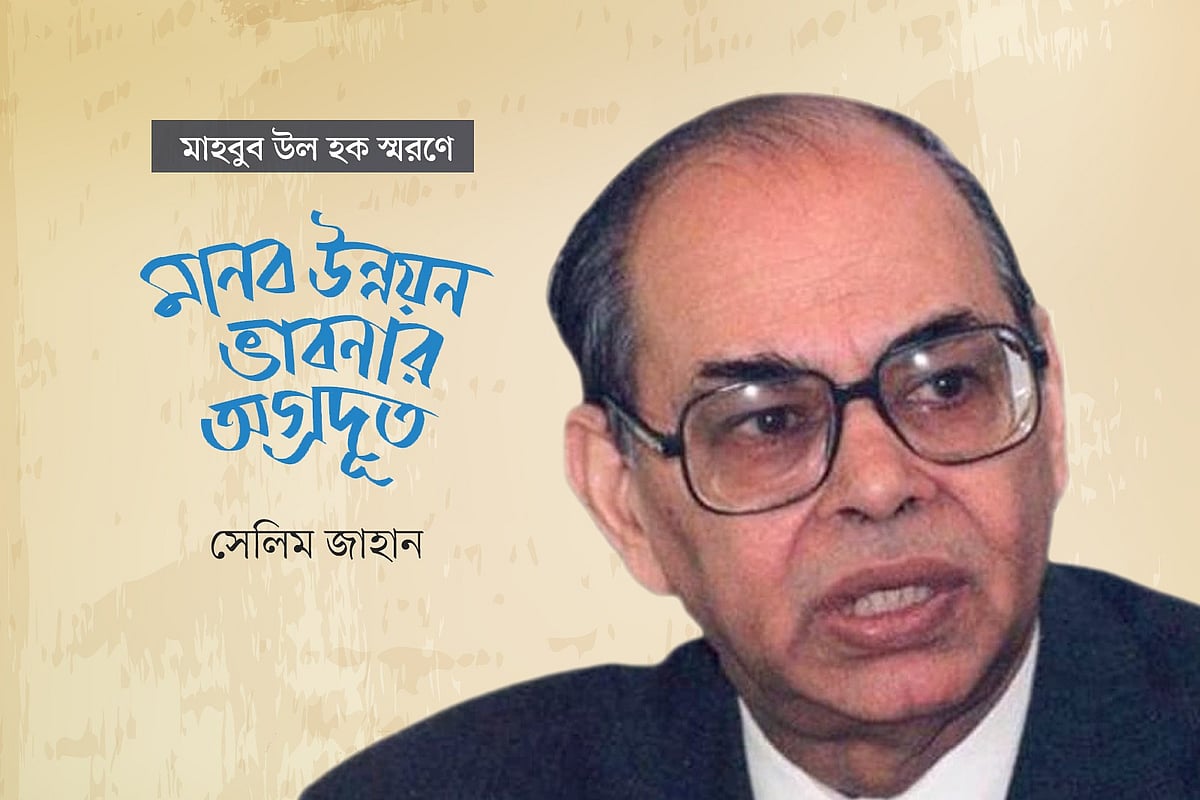
Mahbub Ul Haq, a visionary development economist, championed the concept of human development, emphasizing that individuals, not just economic growth, are the true wealth of a nation. Born into a middle-class family and witnessing the turmoil of subcontinent partition, Haq rejected determinism, advocating instead for 'equality of life opportunities' and a steadfast commitment to peace, security, and human welfare. He believed development's core aim is to foster an environment where people can lead long, healthy, and creative lives, expanding their choices and capabilities.
Haq's philosophy centered on three pillars: balancing human capabilities with opportunities, viewing economic growth as a means rather than an end, and ensuring active human participation in decision-making processes. He argued that income alone is meaningless unless it translates into improved quality of life, and that human development is ultimately about development of people, for people, and by people. This profound understanding led him to spearhead the creation of the first Human Development Report by the United Nations Development Programme in 1990, which fundamentally altered how development is perceived and measured.
Recognizing the limitations of existing metrics, Haq sought a comprehensive yet accessible measure. This endeavor culminated in the creation of the Human Development Index (HDI), a composite statistic of life expectancy, education, and per capita income, designed to offer a more holistic view than GDP alone. He also championed gender equality, introducing indices like the Gender-related Development Index and the Gender Empowerment Measure in the 1995 report. Haq's influential work introduced concepts like 'jobless growth' and 'human security,' broadening the scope of development discourse beyond traditional economic indicators and emphasizing multifaceted aspects of well-being.
The legacy of Mahbub Ul Haq's work, particularly the Human Development Index (HDI), represents a critical paradigm shift in global development discourse. By moving beyond purely economic indicators like GDP, Haq's framework incentivized nations to consider broader societal well-being, encompassing health and education. This approach fosters a more nuanced understanding of progress, encouraging policy interventions that address human capabilities and opportunities directly. However, the HDI's inherent reliance on averages can mask significant internal inequalities. Future iterations and complementary metrics will be crucial to ensure that development strategies truly reach all segments of society, aligning with the long-term imperative of inclusive and equitable human flourishing in an increasingly complex global landscape.
AI-generated to prompt reflection — not editorial opinion, not advice, not a statement of fact. How this works.