Maine Democrat Graham Platner Faces Pressure to Withdraw from Senate Race Over Assault Allegations
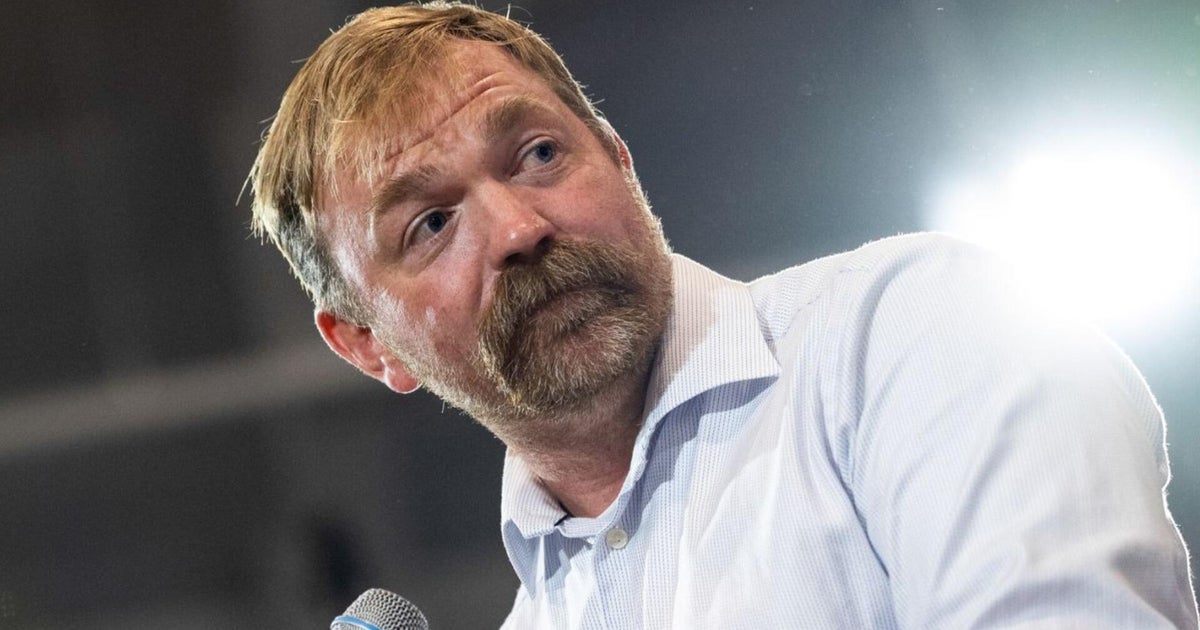
Maine Democrat Graham Platner is reportedly facing significant pressure from his party's leadership to withdraw from the upcoming Senate race. This push comes in the wake of sexual assault allegations that have surfaced against him. The situation has put the Democratic Party in a difficult position as they consider the implications of his continued candidacy. CBS News correspondent Fin Gómez has been reporting on the potential fallout from this developing story. If Platner were to step down, the party would need to quickly find a replacement candidate to contest the election. This could involve a rapid selection process among potential contenders within the state's Democratic Party infrastructure. The timing of such a decision would be critical, given the proximity to the election date. The allegations themselves are serious and have cast a shadow over Platner's campaign. The party's response highlights the challenges of balancing political considerations with ethical standards. The coming days are expected to bring further clarity on whether Platner will heed the calls for his withdrawal.
The pressure on Graham Platner to withdraw from the Senate race due to sexual assault allegations highlights the complex interplay between political viability, party integrity, and public trust. Political parties often face a strategic dilemma when serious allegations emerge against a candidate: balancing the desire to retain a seat or gain power against the reputational and electoral risks associated with supporting an accused individual. In the context of an increasingly polarized electorate, such decisions can have significant consequences for party unity and voter perception. Moving forward, parties may need to refine their candidate vetting processes to mitigate such crises, potentially incorporating more robust background checks and ethical reviews. The situation also underscores the broader societal conversation about accountability and the standards expected of public officials, particularly in light of evolving perspectives on consent and allegations of misconduct.
AI-generated to prompt reflection — not editorial opinion, not advice, not a statement of fact. How this works.