Maine Town Fines Family Over Giant Roosters Helping Autistic Daughter
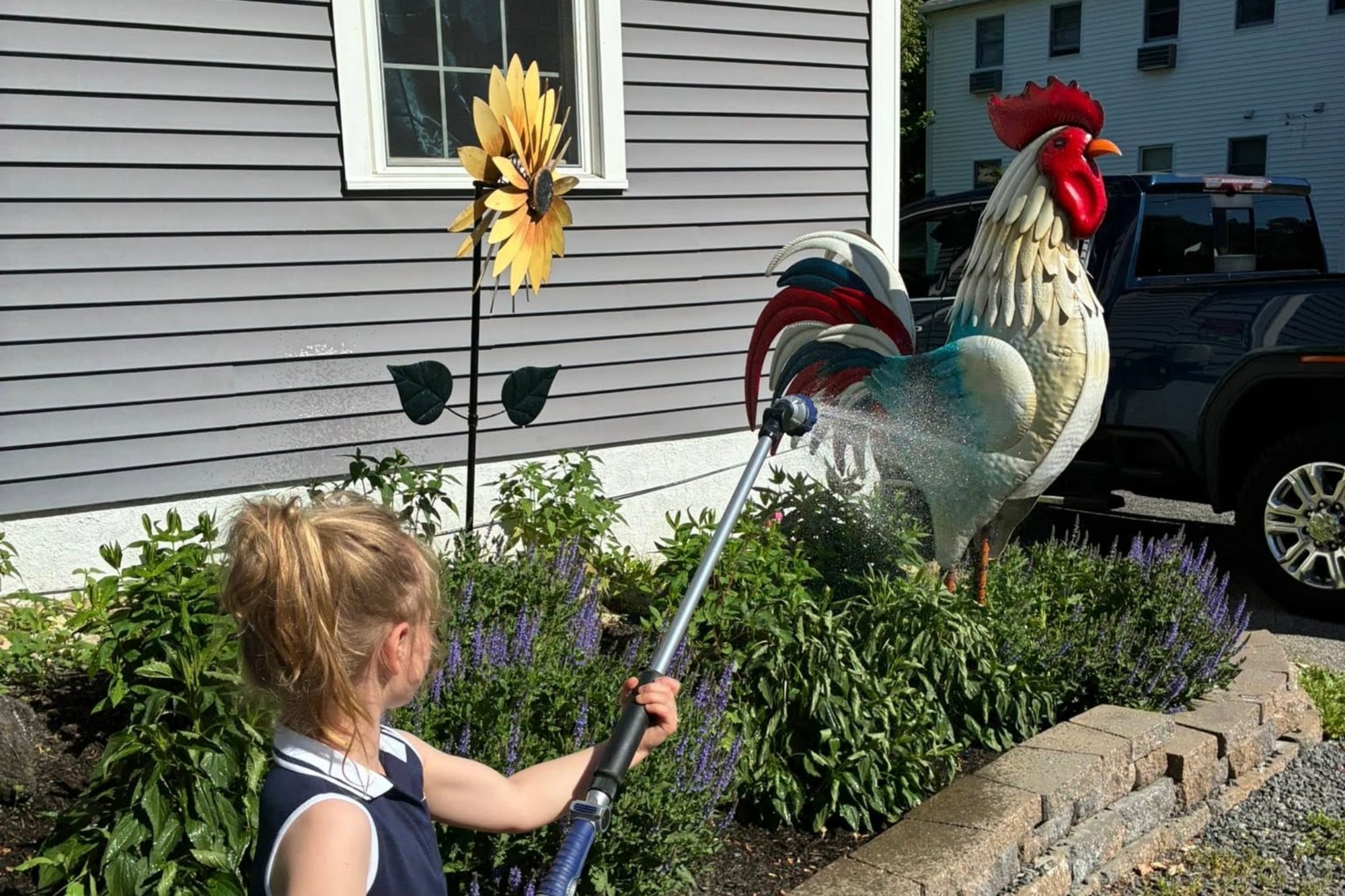
The town of Maine has issued a fine of US$450 to a family due to the presence of giant roosters in their yard. These roosters are reportedly crucial for the emotional regulation of the family's daughter, who has autism. The family claims the birds play a significant role in helping their child manage her emotions. The town's decision to fine the family has raised questions about local ordinances and the recognition of animal-assisted therapeutic benefits. The specific breed or size that qualifies the roosters as 'giant' has not been detailed, nor has the exact nature of their contribution to the child's well-being been elaborated upon. The situation highlights a potential conflict between municipal regulations and the unique needs of individuals with disabilities.
This situation presents a common tension between municipal zoning or nuisance ordinances and the individualized needs of families managing disabilities. While towns have a legitimate interest in maintaining community standards and preventing disturbances, the application of fines in this instance may overlook the therapeutic value the roosters provide to the child. Future policy considerations could involve exploring flexible interpretations of existing bylaws or developing specific provisions for service or therapy animals that accommodate diverse needs. This case underscores the evolving understanding of animal-assisted interventions and the importance of balancing community welfare with the imperative to support vulnerable individuals.
AI-generated to prompt reflection — not editorial opinion, not advice, not a statement of fact. How this works.